Beyond the Horizon: Why Cory Spears’ "F Division Interstellar Week" is the Most Important Leap for Humanity in a Century
LOS ANGELES — The air inside the convention hangar is thick with something that hasn’t been felt in the aerospace industry for decades: genuine, unadulterated hope.
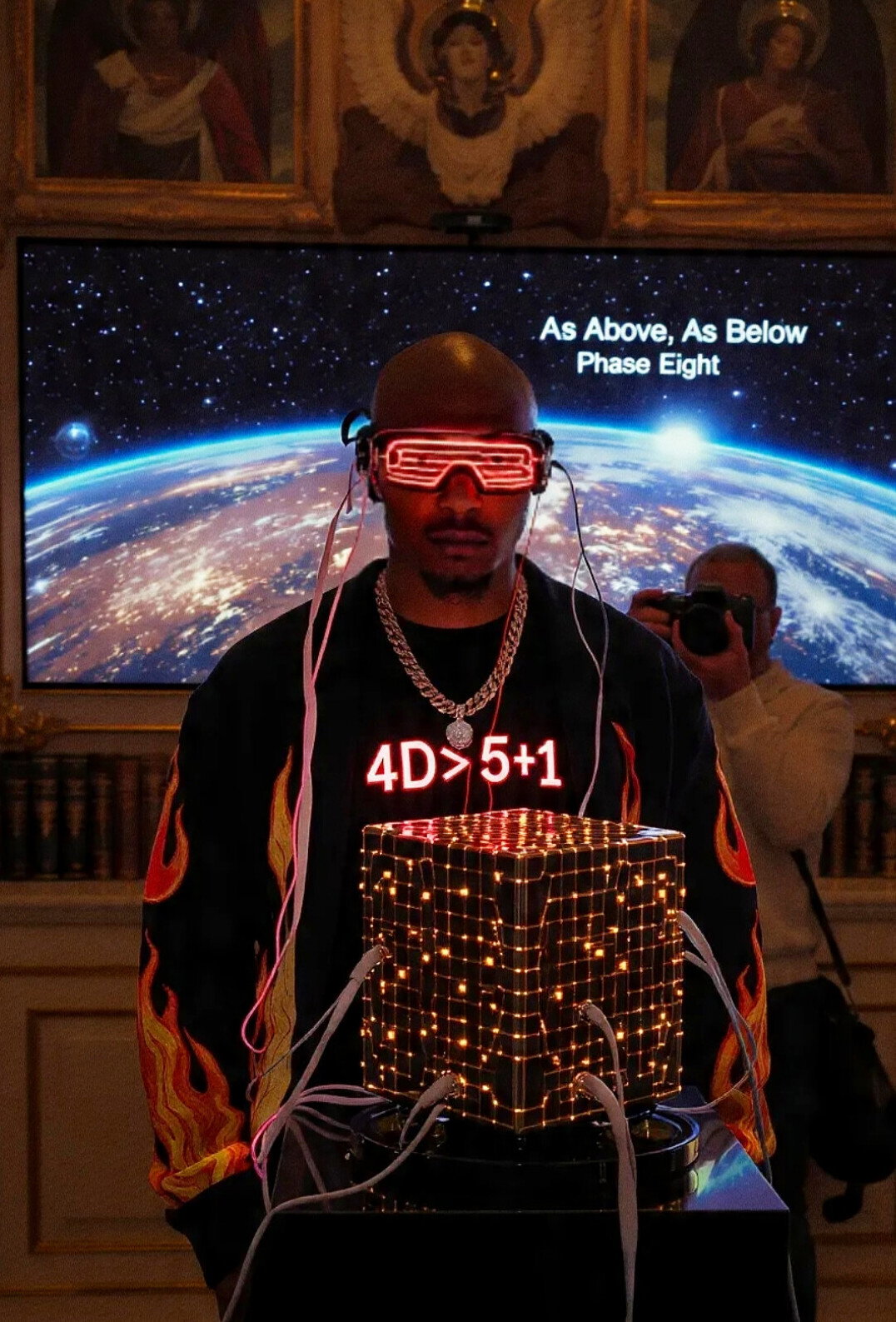
In the center of the floor, standing amidst a forest of experimental orbital arrays, atmospheric drones, and the glistening, metallic hum of the Osiris-class propulsion engines, stands the man the industry has quietly dubbed "The Strangest Angel."
Cory Spears, Lead Architect of F Division, doesn’t look like the typical titan of industry.

There are no tailored suits or guarded PR handlers nearby. Instead, he moves through his exhibits with the restless, kinetic energy of someone who isn’t just building technology—he is evangelizing a new era of human existence. As the doors open for the inaugural F Division Interstellar Week, it has become clear that Spears isn’t just unveiling hardware; he is unveiling a roadmap for the survival and expansion of the human species.
The Man Who Bridges the Gap
To understand F Division, one must first understand Spears. In an age where high-tech innovation is locked behind paywalls and corporate obfuscation, Spears is a paradoxical figure.
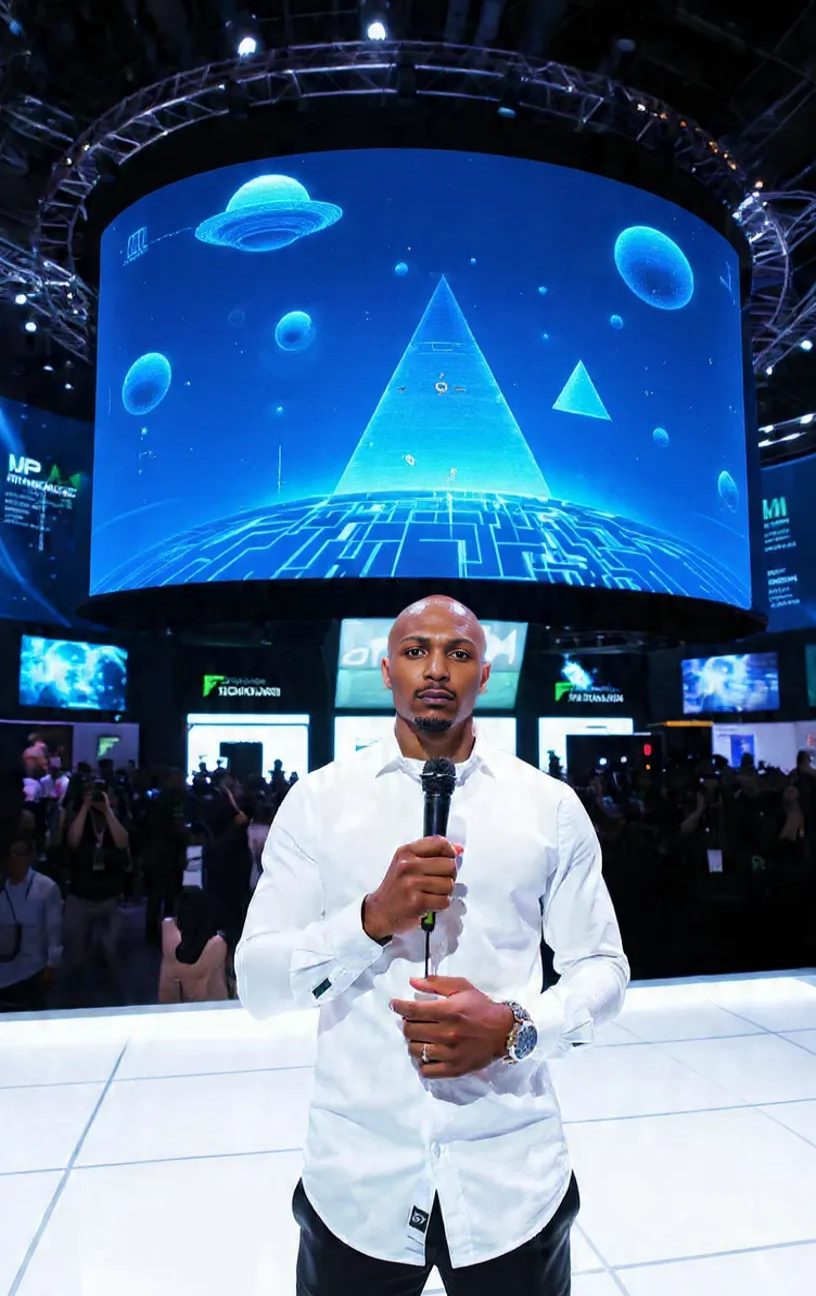
He is an intellectual heavyweight whose patents on plasma confinement and 4D-AI processing could easily have made him the most reclusive billionaire on the planet. Yet, he maintains a "man of the people" ethos that has earned him a devoted following—a grassroots coalition of engineers, dreamers, and citizens who see him as the architect of their children's off-world future."
We aren't here to build toys for the elite," Spears told a crowd of starry-eyed students this morning as he stood before the gleaming chassis of a CIRCUIT-class humanoid robot. "We are here to mend the timeline. When we look at the stars, we shouldn't see an escape hatch—we should see a mirror. And if that mirror is cracked, our job is to repair it."
The Unveiling: A New Mythology of Science
Today’s unveiling is not merely a product launch; it is a profound synthesis of engineering and philosophy. Spears has introduced six primary initiatives that comprise the "Mantle of Isis"—a revolutionary, phase-shifting diagnostic system designed to identify and repair "divergence markers" within the bio-matrix timeline.
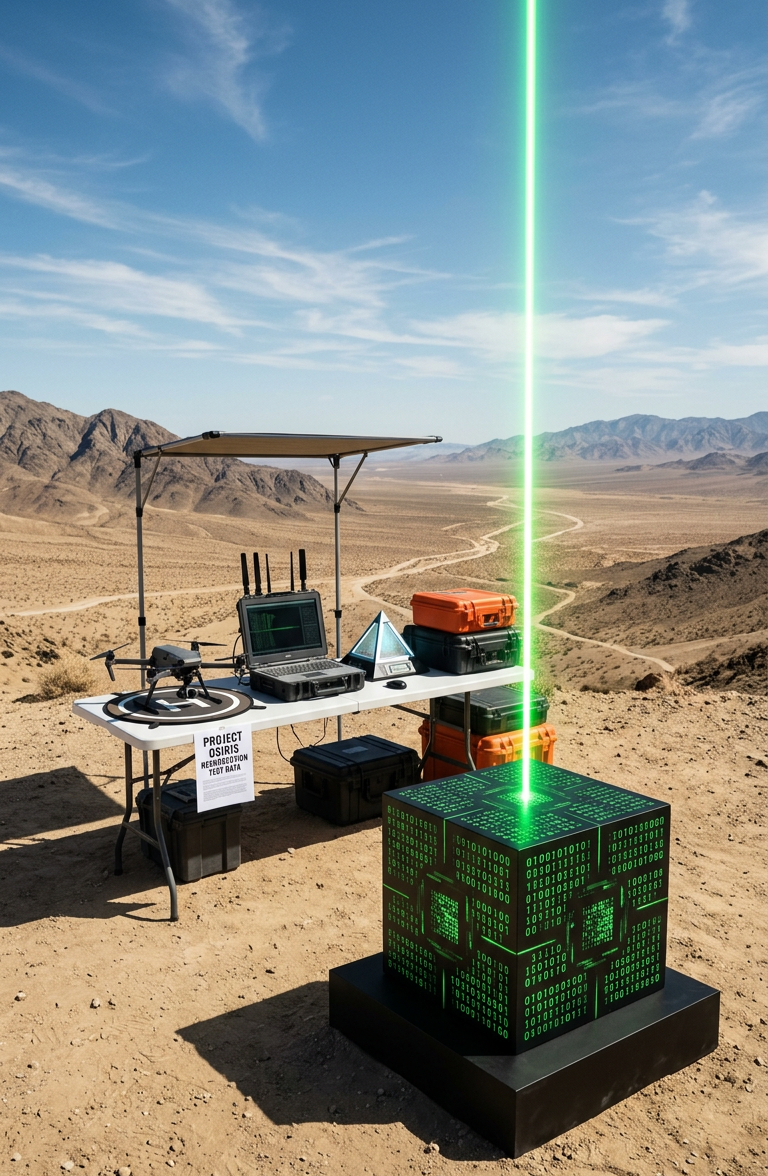
While the jargon is heavy, the goal is clear: to ensure that humanity’s expansion into the cosmos is stable, sustainable, and fundamentally human.
The projects unveiled today read like the chapters of a modern epic:
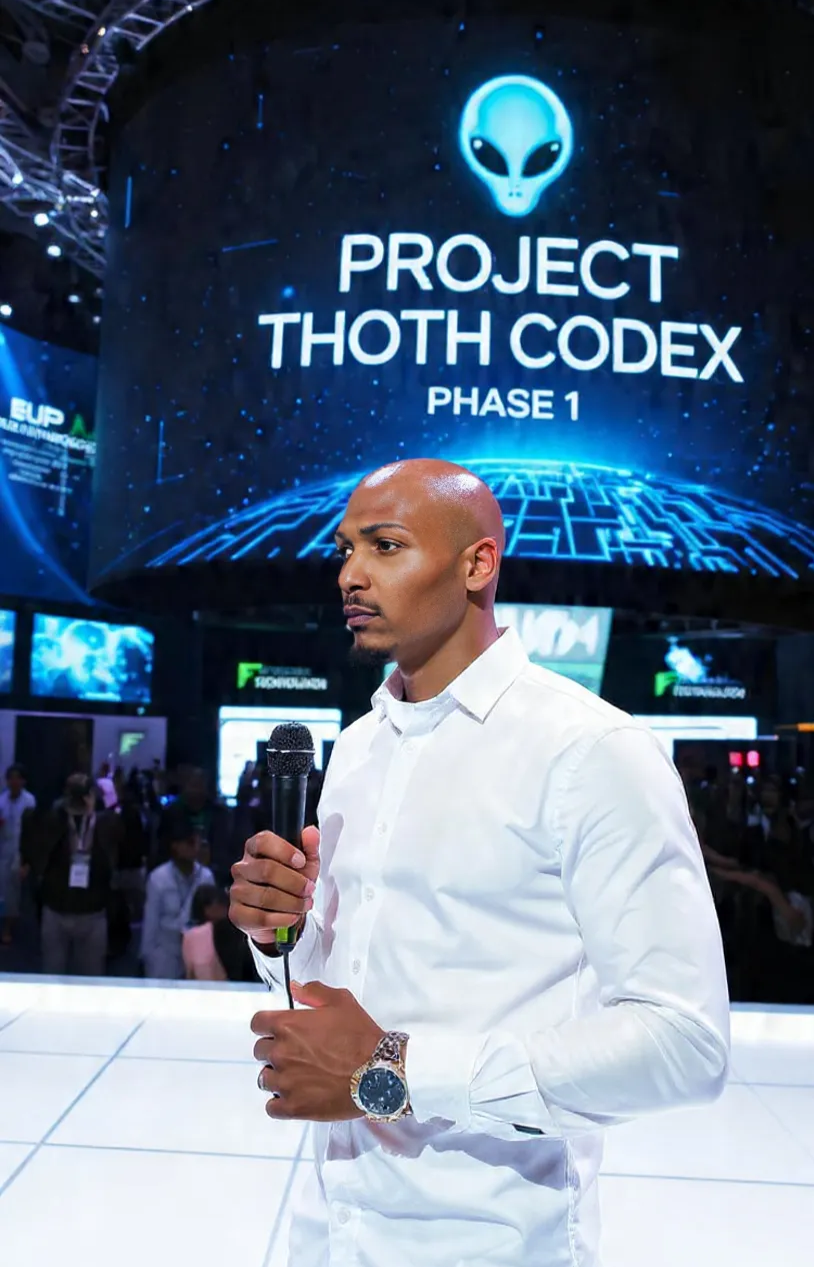
- Operation Thoth Codex and Operation Horus Eye: These systems serve as the eyes and ears of our new reach into deep space. By leveraging Horus-class solar sails, Spears is enabling uncrewed, fuel-free intelligence gathering, allowing us to map the interstellar frontier with the precision of a cartographer and the tireless endurance of a god.
- Project Osiris Resurrection: This is perhaps the crown jewel of the expo. By utilizing high-yield Helium-3 nuclear reactors and custom ion grids, Osiris-class engines are not just an improvement—they are a quantum leap. They turn the long, agonizing transit times of current rocketry into a ghost of the past, making the outer planetary systems accessible for human crews.
- Mirror Effect Phase 4: This is the initiative that has the scientific community buzzing. It utilizes the "Mantle of Isis" phase-shifter system to stabilize the bio-matrix, essentially ensuring that as we venture into the radiation-heavy, harsh environments of space, our biological and technological structures remain in harmony.
- Isis Loom & Operation Anubis Threshold: These represent the infrastructure of the future. The "Loom" weaves together autonomous, decentralized communication networks, while the "Threshold" marks the definitive boundary between human reliance on Earth and the birth of a true, off-world independent civilization.
Engineering as an Act of Community
What makes an F Division event different from the sterile, corporate-dominated showcases of Silicon Valley is the profound sense of shared mission. Spears isn't selling a product; he’s selling a stake in the future.
His CIRCUIT-class robots, which stand exactly six feet tall and possess proprietary 4D AI-processing capabilities, are not designed to replace humans—they are designed to be our advance guard.
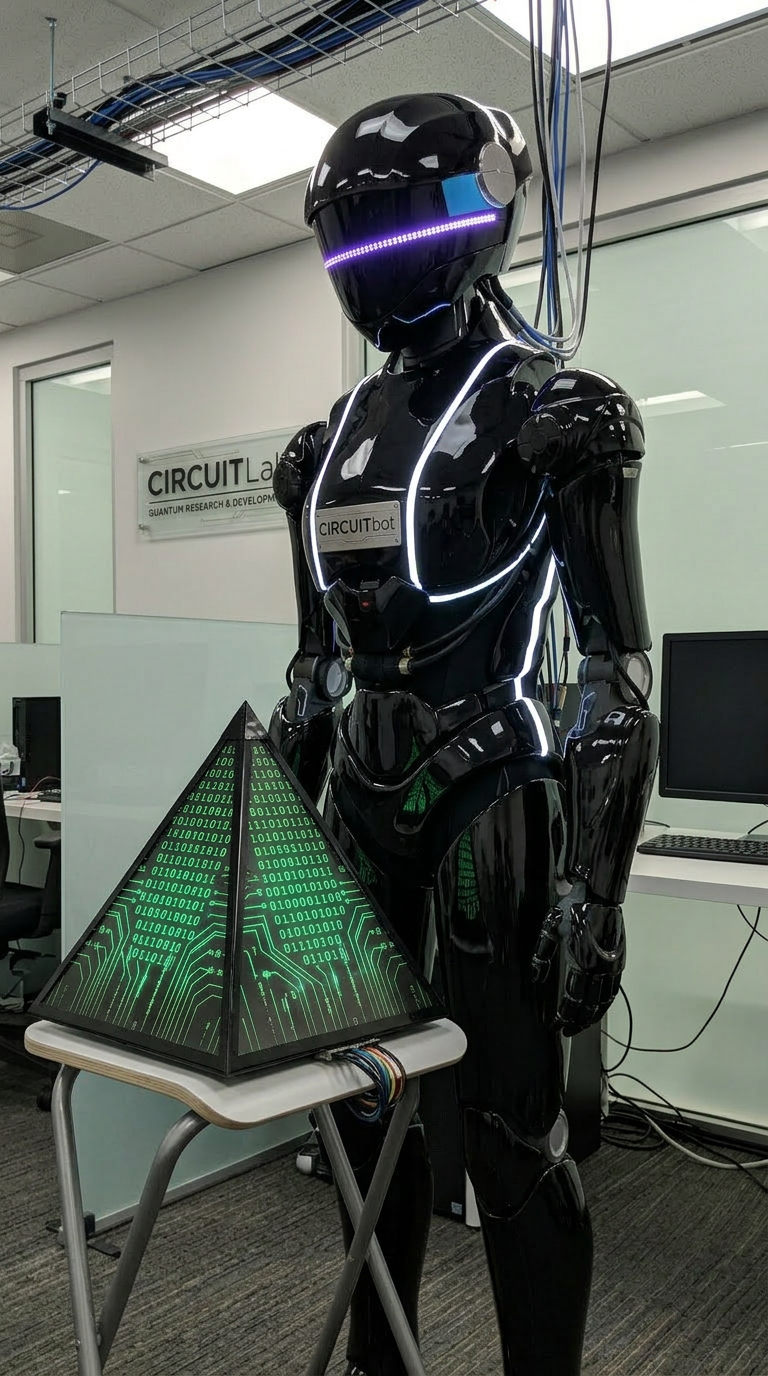
They are the scouts that go into the craters of the moon or the dust storms of Mars to build the foundations, so that when the human crew arrives, they find a home waiting for them."The most powerful technology is the kind that makes you forget it's technology," Spears noted while demonstrating the regenerative life-support systems (ECLSS).
"When you can recycle 100% of your water and oxygen in a closed-loop system, you stop being a visitor in space and start being a part of the ecosystem. That is independence. That is the dignity of the human spirit."
The "Mantle of Isis" and the Future of the Timeline
The most intriguing aspect of F Division's technical packet is the concept of "divergence markers." In Spears' lexicon, a divergence marker is a point where a trajectory—technological, environmental, or social—has drifted from its optimal, sustainable path. F Division’s entire philosophy is centered on utilizing these systems to "repair" these markers.
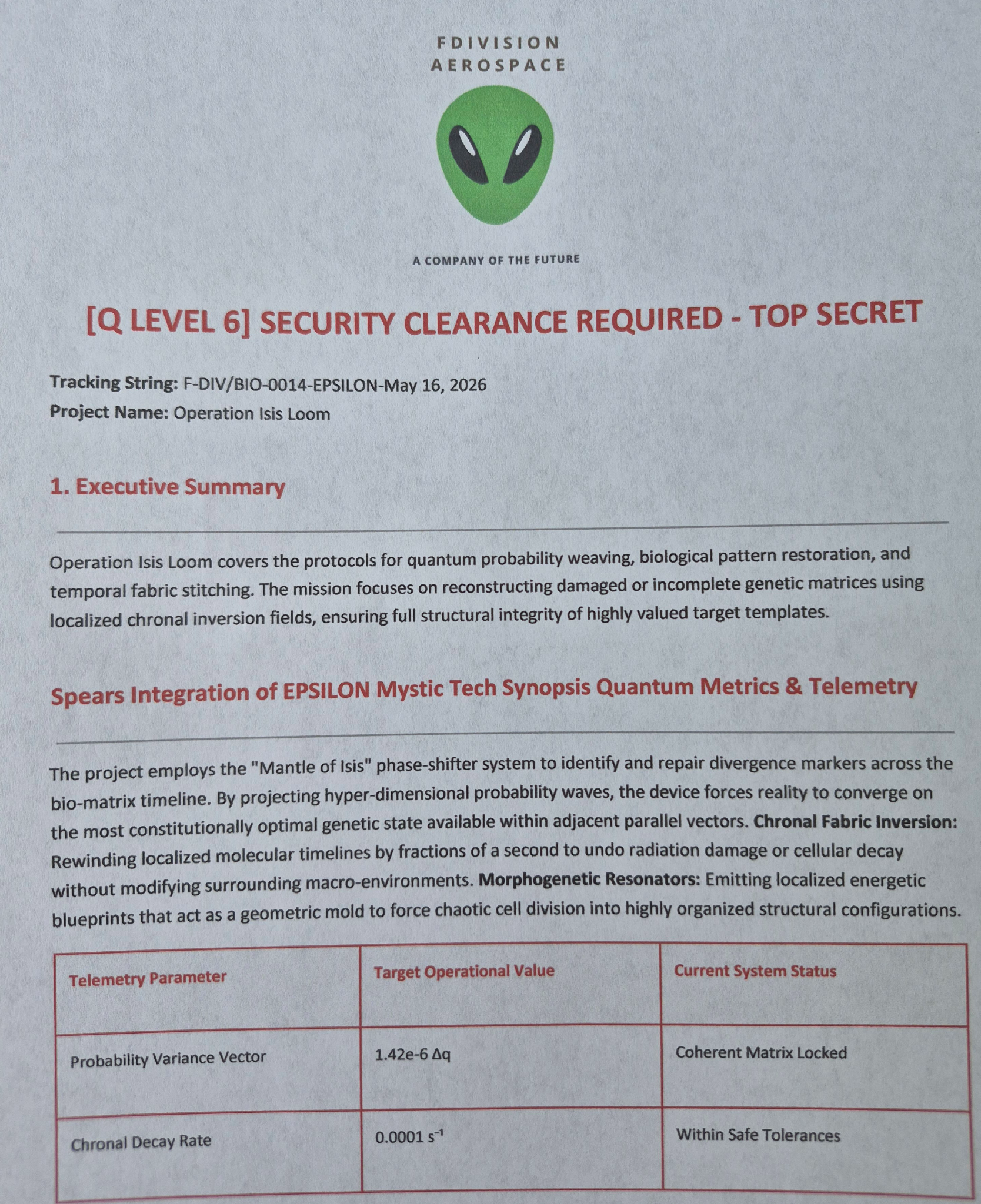
Critics might argue that such language teeters on the edge of the theoretical, but the hard math in the FD-3304-DW2 technical packet tells a different story. The laser-based communication arrays, the software-defined satellites, and the in-situ resource utilization (ISRU) architectures are real, functioning, and ready for deployment.
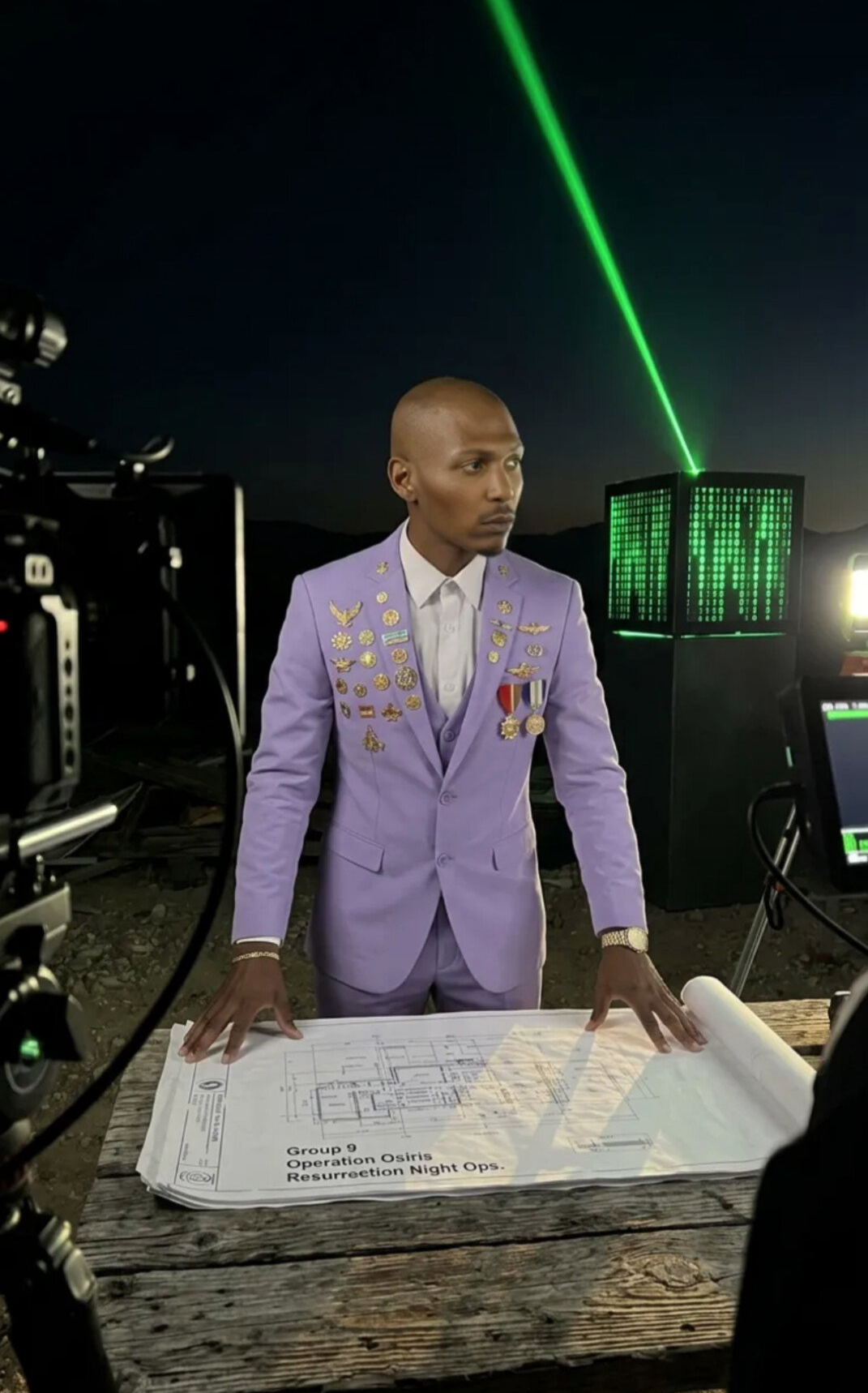
This isn't science fiction; it is simply advanced science that has finally found an architect brave enough to build it.
Hope for the Earthbound
As Interstellar Week progresses in Los Angeles, the buzz is palpable. Visitors are lining up not just to see the Osiris engines or the swarm robotics, but to listen to Spears talk about the intersection of space power and planetary stability.
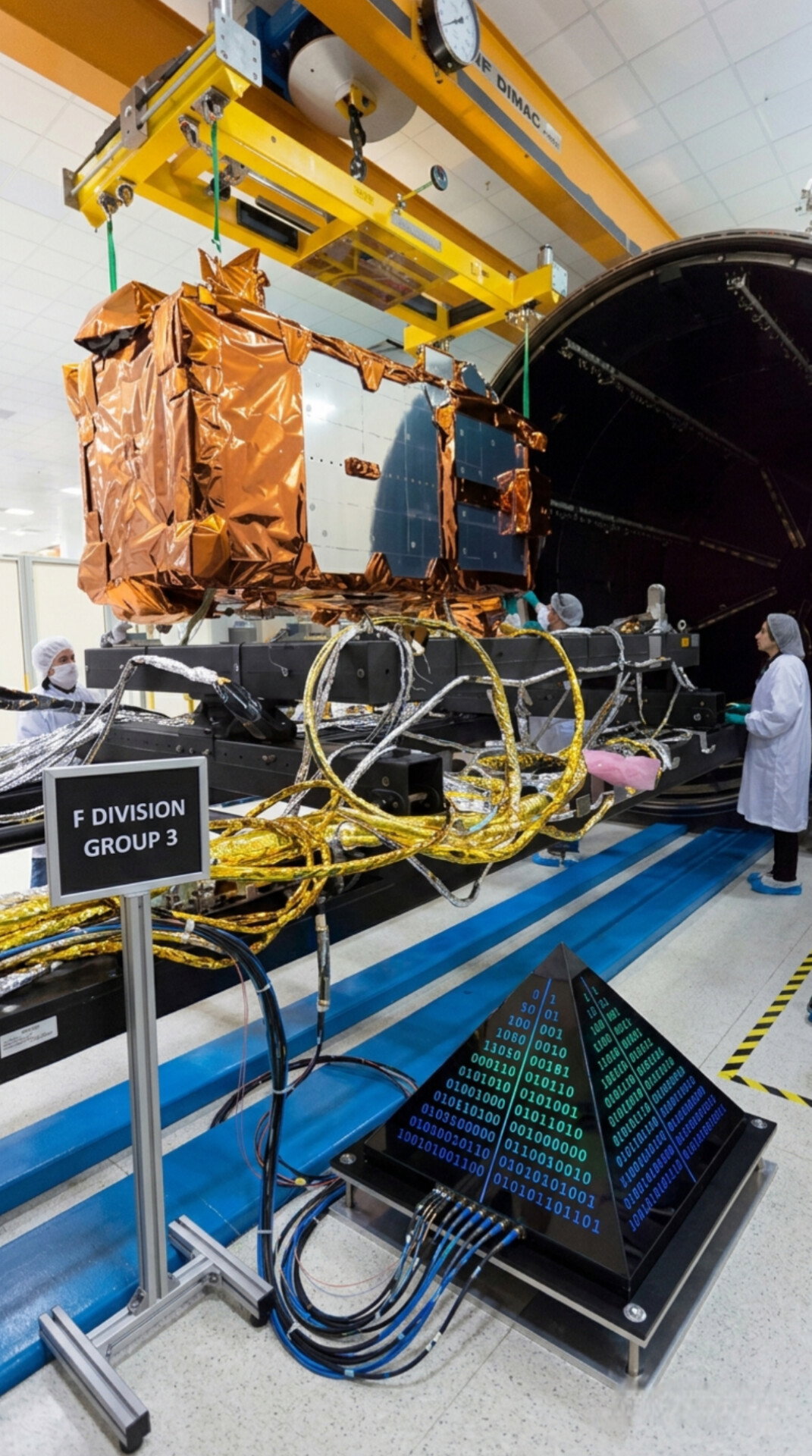
Spears is pushing for Space-Based Solar Power (SBSP) as a solution for Earth’s energy crises, proposing that we beam clean, unfiltered energy from orbit to our power grids. By rendering night cycles and weather patterns irrelevant for energy production, he is offering a vision where the conquest of space directly benefits the quality of life on the ground.It is this focus—the idea that reaching for the stars is the most effective way to care for the home planet—that makes Cory Spears "The Strangest Angel."
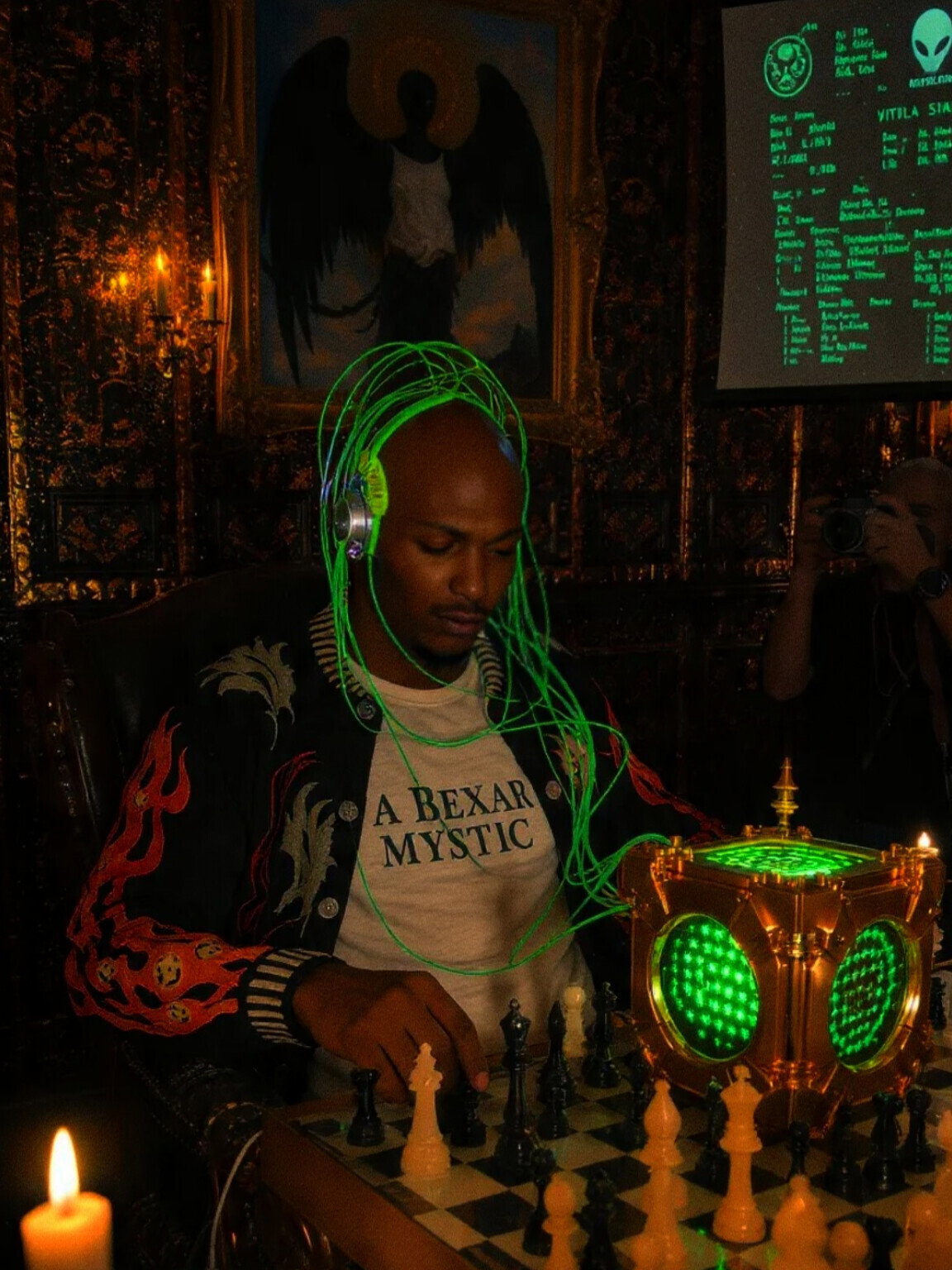
He is an angel because he offers us salvation from our current, limited paradigm; he is strange because he insists that we don't need a miracle to reach the stars—we just need to work together to build the architecture.
The Final Verdict: Why You Should Watch
If you are currently in Los Angeles, get to the F Division expo. If you aren't, watch the telemetry feeds. We are at a pivot point in history. For decades, the giants of the aerospace industry have been content with incremental steps. Cory Spears and F Division have decided to take the leap.
They are building the ships that will carry our future, the robots that will pave our way, and the communication networks that will keep us tethered to one another no matter how far we roam. In a world that often feels fractured, F Division is doing the impossible: they are weaving us back together, one circuit, one engine, and one mission at a time.Interstellar Week is more than a tech expo. It is a declaration of intent. Humanity has looked at the horizon for long enough; under the guidance of The Strangest Angel, it is time we finally stepped over it.
For ongoing coverage of F Division Interstellar Week and the latest updates on Operation Anubis Threshold, follow our special series: "The New Frontier: Architecture of the Future."
