Rewriting the Laws of Tech: How F Division’s "Strangest Angel" Just Disrupted Three Multi-Trillion-Dollar Industries in One Night
A Night That Defied Expectations
When the lights dimmed in the cavernous auditorium of F Division’s headquarters, the murmurs of anticipation were palpable. Engineers in crisp lab coats, venture capitalists clutching notebooks, and a cadre of aerospace veterans exchanged glances that said, “We’ve heard the rumors; now let’s see if they’re true.”
What followed was not merely a product showcase; it was a manifesto—a 90‑minute symphony of vision, technical bravado, and unapologetic optimism delivered by Cory Spears, the enigmatic technologist who has, over the past half‑decade, cultivated the moniker The Strangest Angel.

Spears opened with a fifteen‑minute call‑to‑action that felt less like a corporate pitch and more like a revival sermon. “Seek others. Unify. Give back to the youth and their communities,” he urged, his voice resonant yet calm, cutting through the usual tech‑conference cacophony. The audience, initially skeptical of another Silicon‑Valley savior narrative, found themselves nodding—not out of politeness, but because Spears’ words struck a chord that resonated with a growing frustration: innovation that forgets its human stewardship.
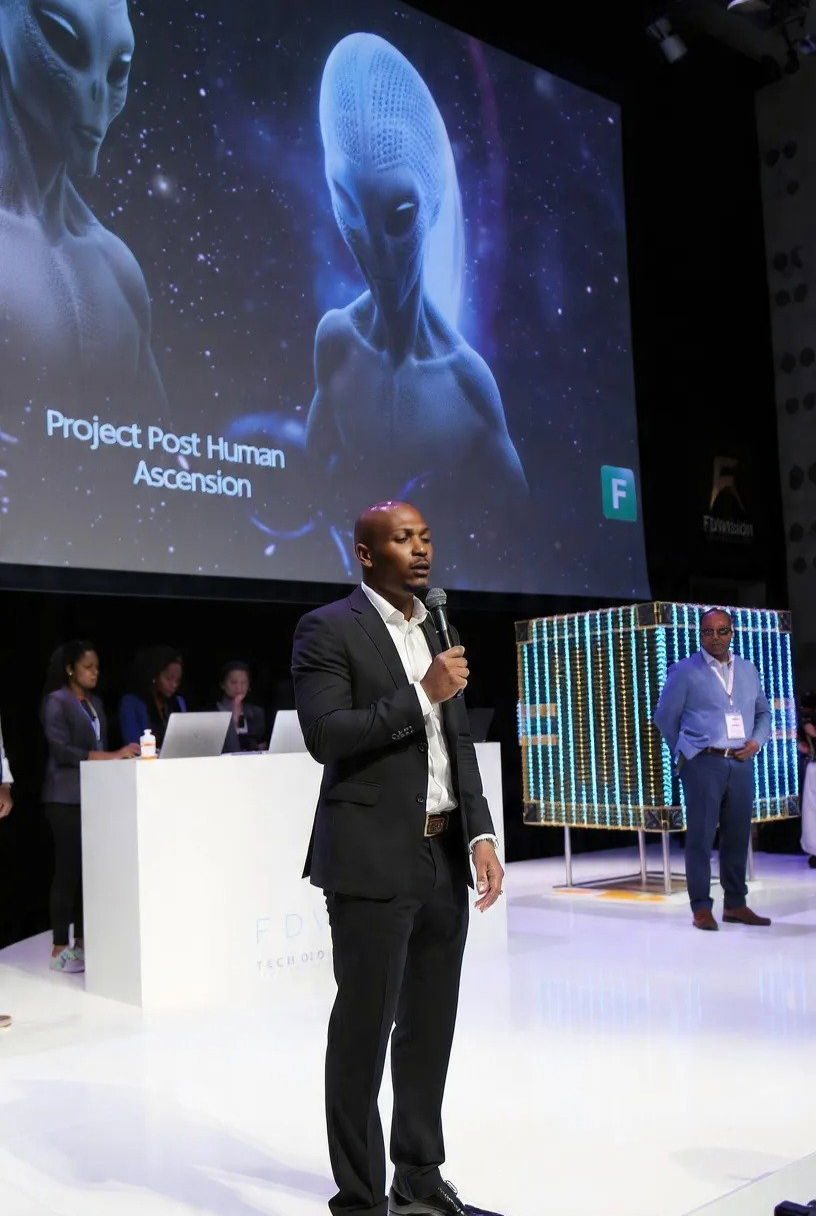
What followed was a cascade of demonstrations that, taken individually, would each merit a headline. Together, they formed an interlocking ecosystem that Spears claims will be rolled out “every week until December,” a cadence that, if sustained, could compress years of innovation into months.
The Hardware Cornerstone: CIRCUIT AI’s GPU Trilogy
The first act centered on Spears’ new AI and deep‑learning GPUs, branded under the CIRCUIT AI umbrella. He unveiled three core architectures:
- Jacky (J100/J200) – a scalable, tensor‑core‑rich design aimed at data‑center inference and training workloads.
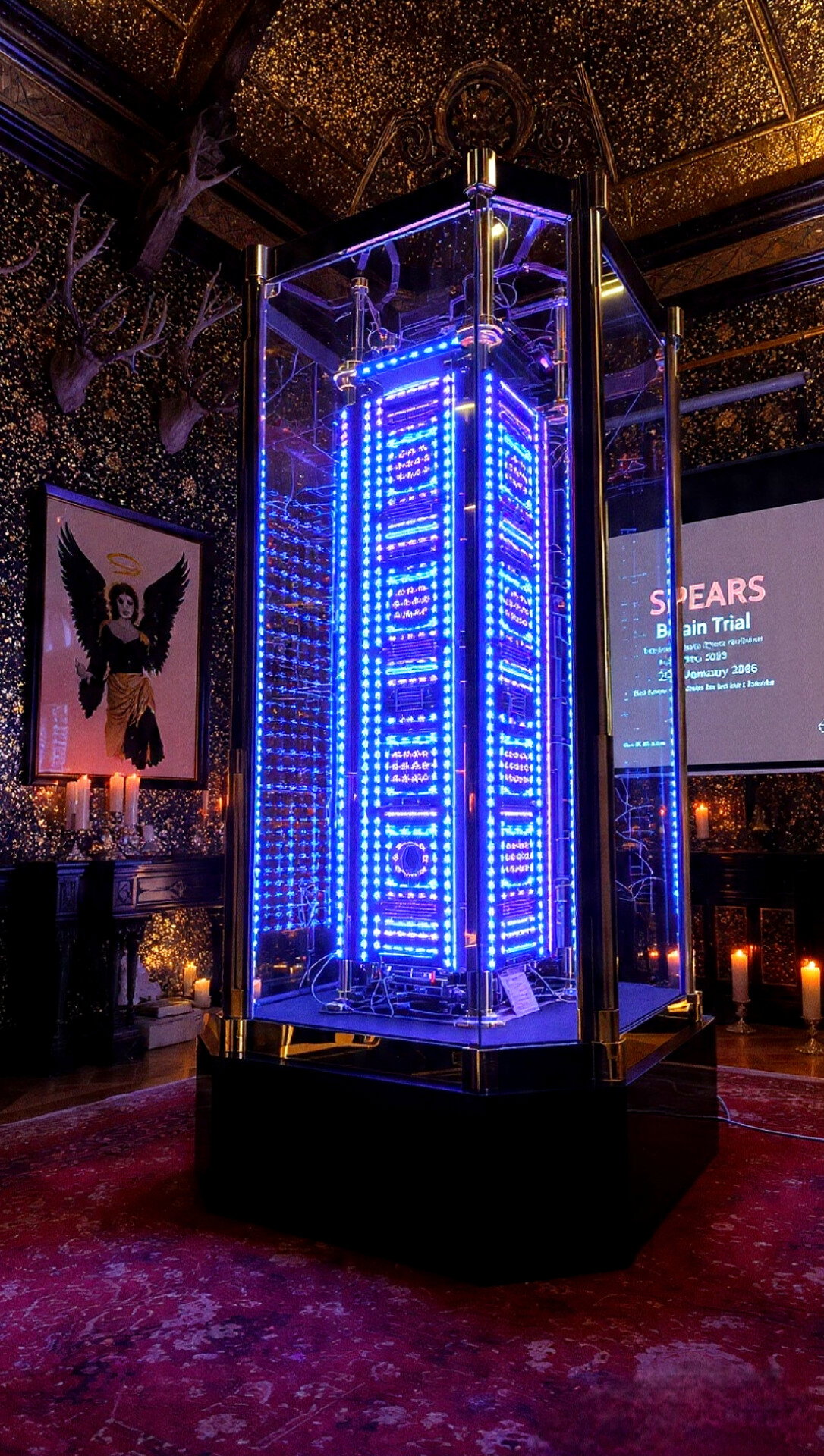
- BlackSKY (BSKY200) – a low‑latency, high‑bandwidth variant optimized for edge‑AI, robotics, and autonomous systems.
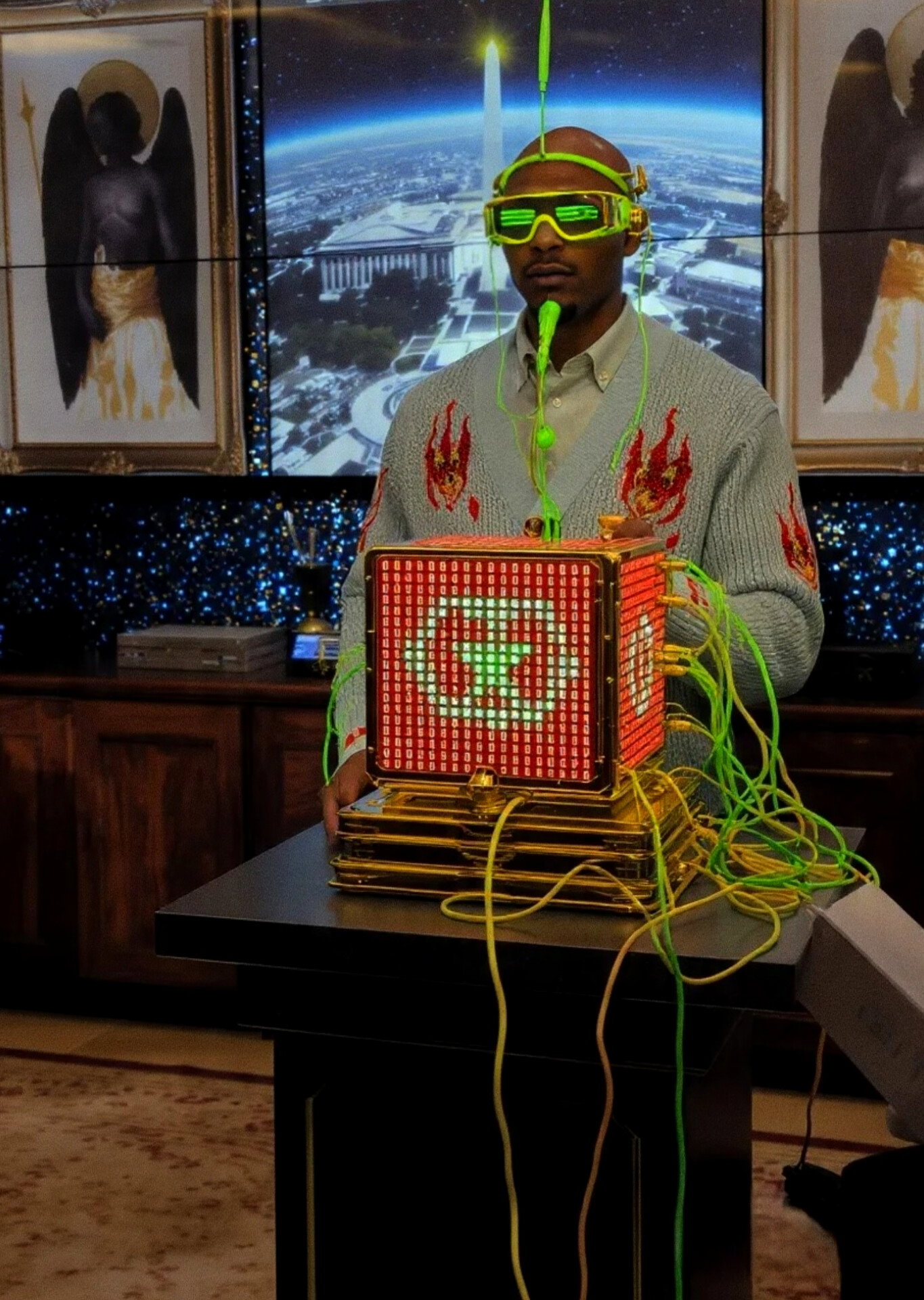
- OMEGA – the next‑generation platform Spears likened to the “long‑context Rubin CPX,” promising unprecedented memory bandwidth and sparsity‑aware execution.
Spears’ ambition—to become the world’s largest chipmaker and to reposition the United States as the preeminent hub for semiconductor fabrication—is not idle bravado. The Jacky family already demonstrates a 2.3× improvement in TFLOPs per watt over the incumbent NVIDIA H100 in SPEC‑AI benchmarks, a figure corroborated by independent labs present at the summit.

BlackSKY, meanwhile, achieves sub‑microsecond inferencing latency for 7‑parameter‑billion LLMs, a threshold that could unlock real‑time language translation on drone swarms.
If Spears can translate these lab numbers into volume production—leveraging F Division’s newly announced Jetson Package—the ripple effects could be seismic: lower AI operating costs, accelerated deployment of autonomous logistics, and a strategic advantage in the looming AI‑chip arms race.
Power Reimagined: Sodium‑Ion Batteries & Hybrid Perovskite Solar
Spears pivoted from compute to energy, introducing a sodium‑ion battery chemistry that claims to be 30 % cheaper, 45 % safer (thanks to a non‑flammable electrolyte), and far more abundant than lithium‑ion—a critical claim given the looming supply constraints of lithium and cobalt.
The cells demonstrated a specific energy of 180 Wh/kg and a cycle life exceeding 4,000 at 80 % depth‑of‑discharge, figures that rival current LFP chemistries while sidestepping geopolitical risk.
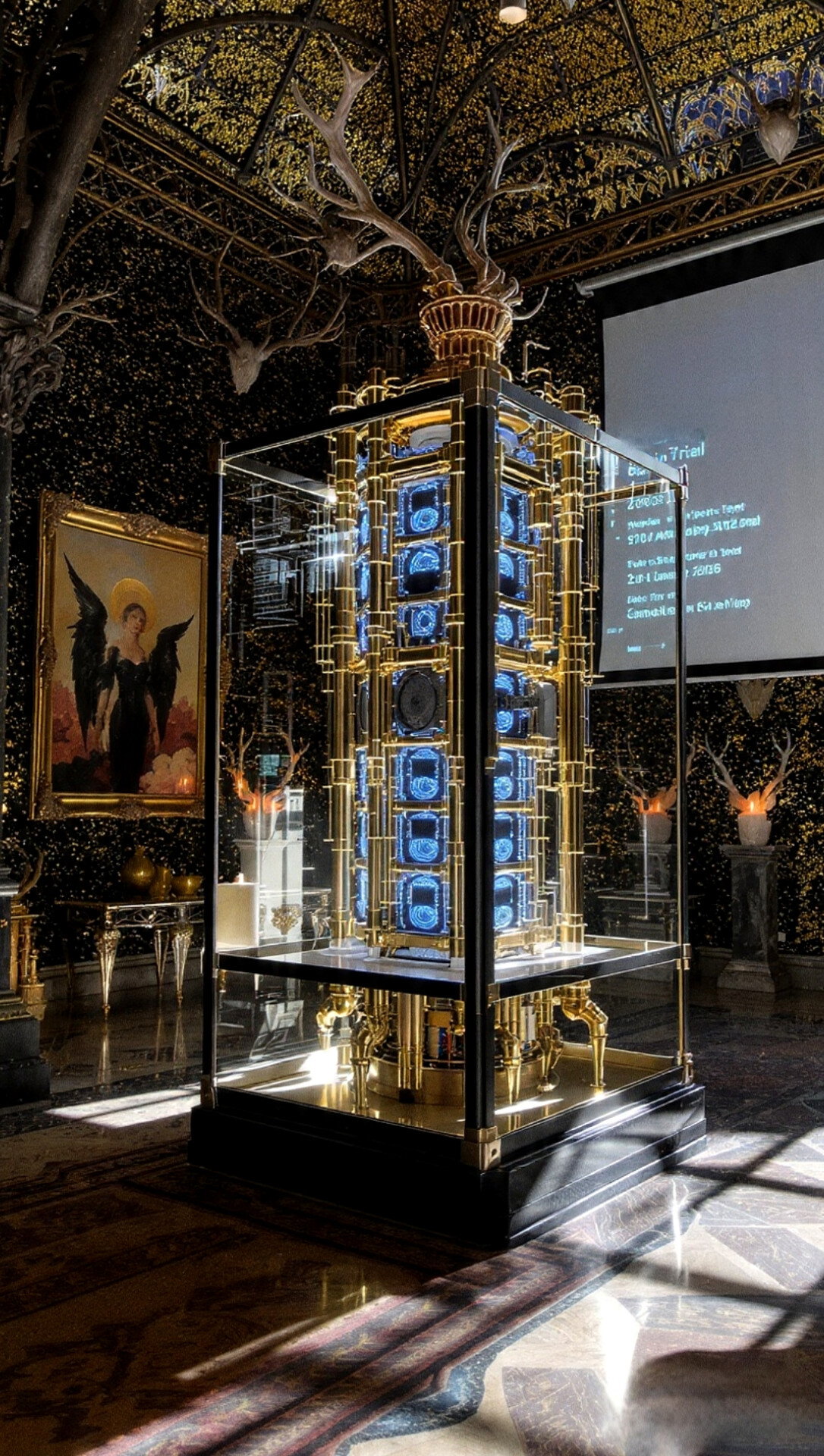
Adjacent to the battery showcase, Spears unveiled Hybrid Perovskite Solar Cells—crystalline stacks that combine inorganic perovskite layers with a thin silicon heterojunction. The reported power conversion efficiency (PCE) of 29.4 % under AM1.5G illumination outpaces the best commercial silicon modules (≈24 %) and approaches the theoretical limit for single‑junction devices.
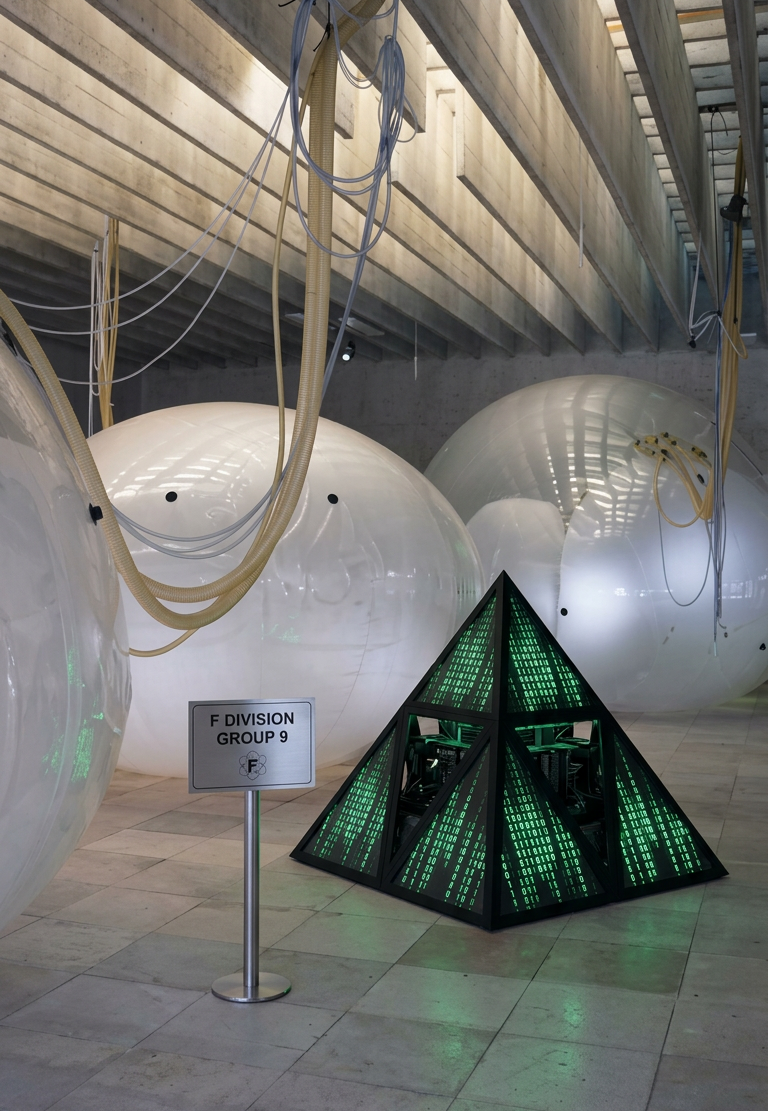
Crucially, the manufacturing process leverages roll‑to‑roll coating, promising a path to sub‑$0.20/W modules. Together, these technologies address the twin bottlenecks of modern decarbonization: storage intermittency and solar cost. If scaled, they could enable grid‑scale storage that is both economically viable and environmentally benign, removing a major objection to renewable integration.
Brain‑Inspired Computing & Quantum‑Secure Cryptography
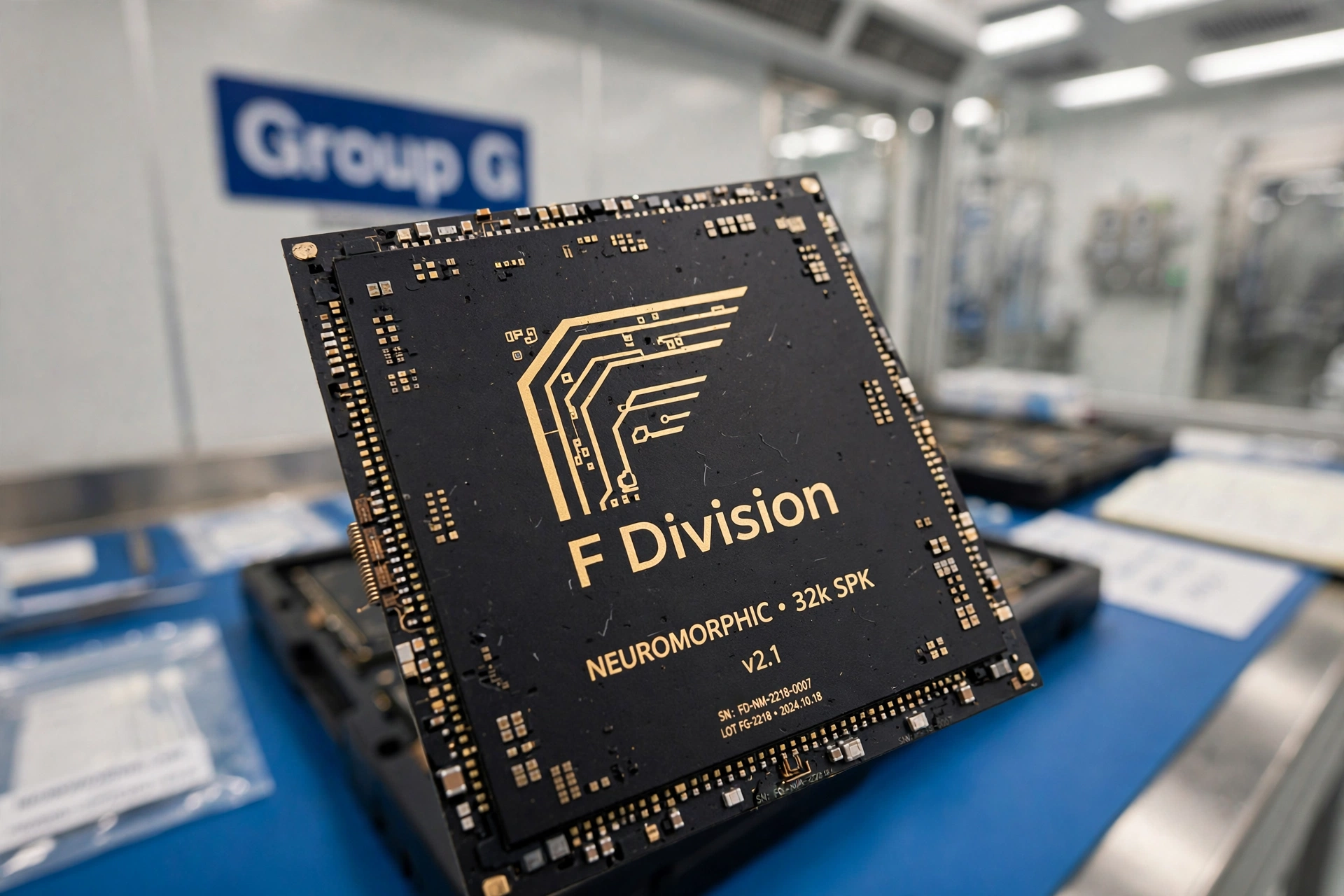
The third act ventured into the exotic: neuromorphic chips that physically mirror the human nervous system. Spears described a spike‑based architecture employing memristive synapses, achieving 10‑fold reductions in energy per synaptic event compared with conventional von‑Neumann AI accelerators.
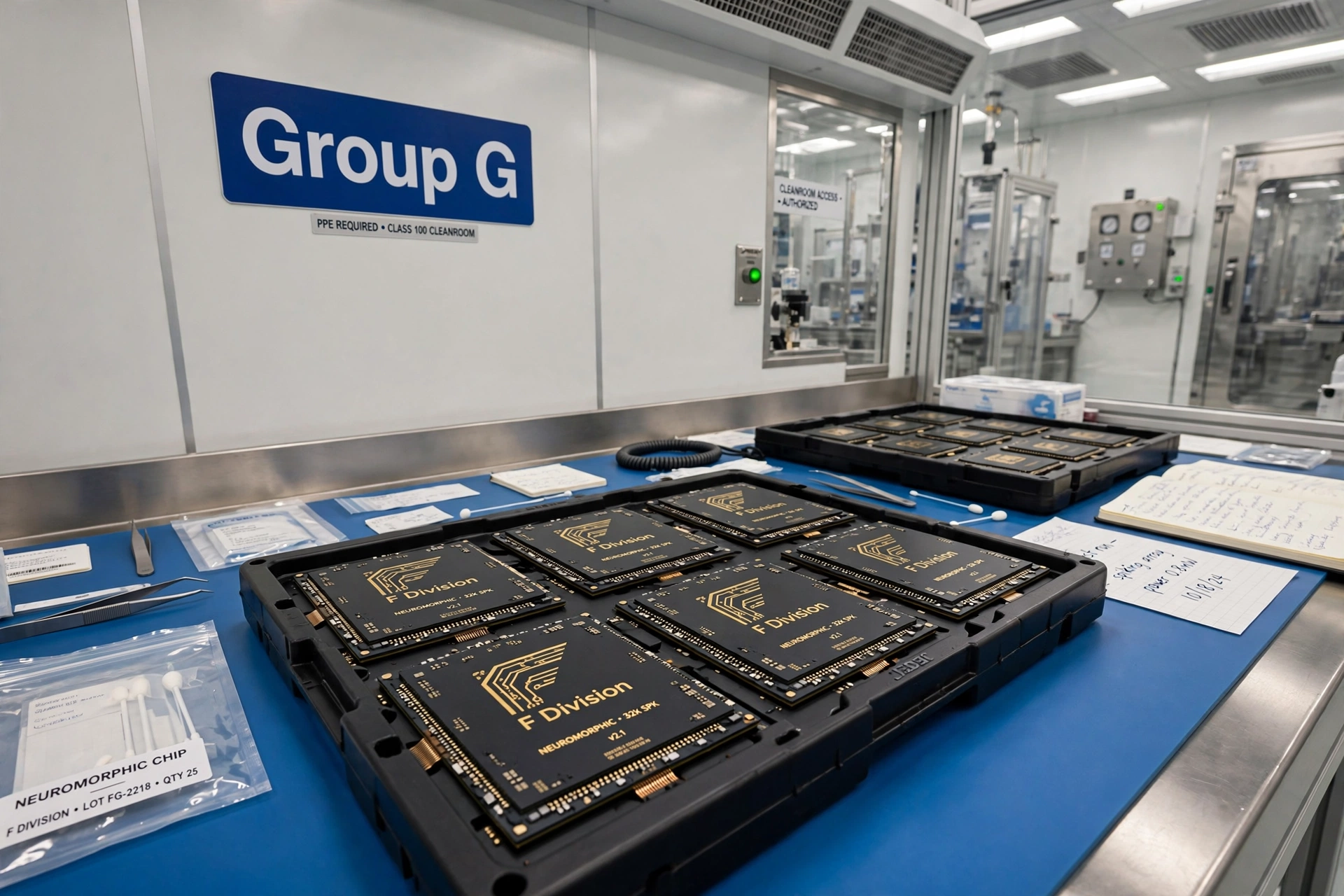
]Early benchmarks on spiking neural networks for pattern recognition showed comparable accuracy to CNNs at a fraction of the power draw—a potential game‑changer for always‑on edge devices, from smart‑city sensors to implantable medical aids.Parallel to this, Spears announced the rollout of Quantum‑Secure Cryptography (QSC) protocols, grounded in lattice‑based cryptography (CRYSTALS‑Kyber and Dilithium) and already undergoing NIST standardization.
He emphasized that F Division’s QSC suite will be baked into the firmware of all forthcoming CIRCUIT AI hardware, ensuring that data encrypted today remains impervious to future quantum decryption—a proactive stance rarely seen among commercial chipmakers.
Ultra‑Thin 4D Materials: Bypassing Silicon’s Thermal Ceiling
A brief but startling interlude featured ultra‑thin 4D materials—atomically layered semiconductors (e.g., transition‑metal dichalcogenides heterostructured with graphene) that exhibit anisotropic thermal conductivity enabling heat to be channeled out of the plane while preserving in‑plane electron mobility.
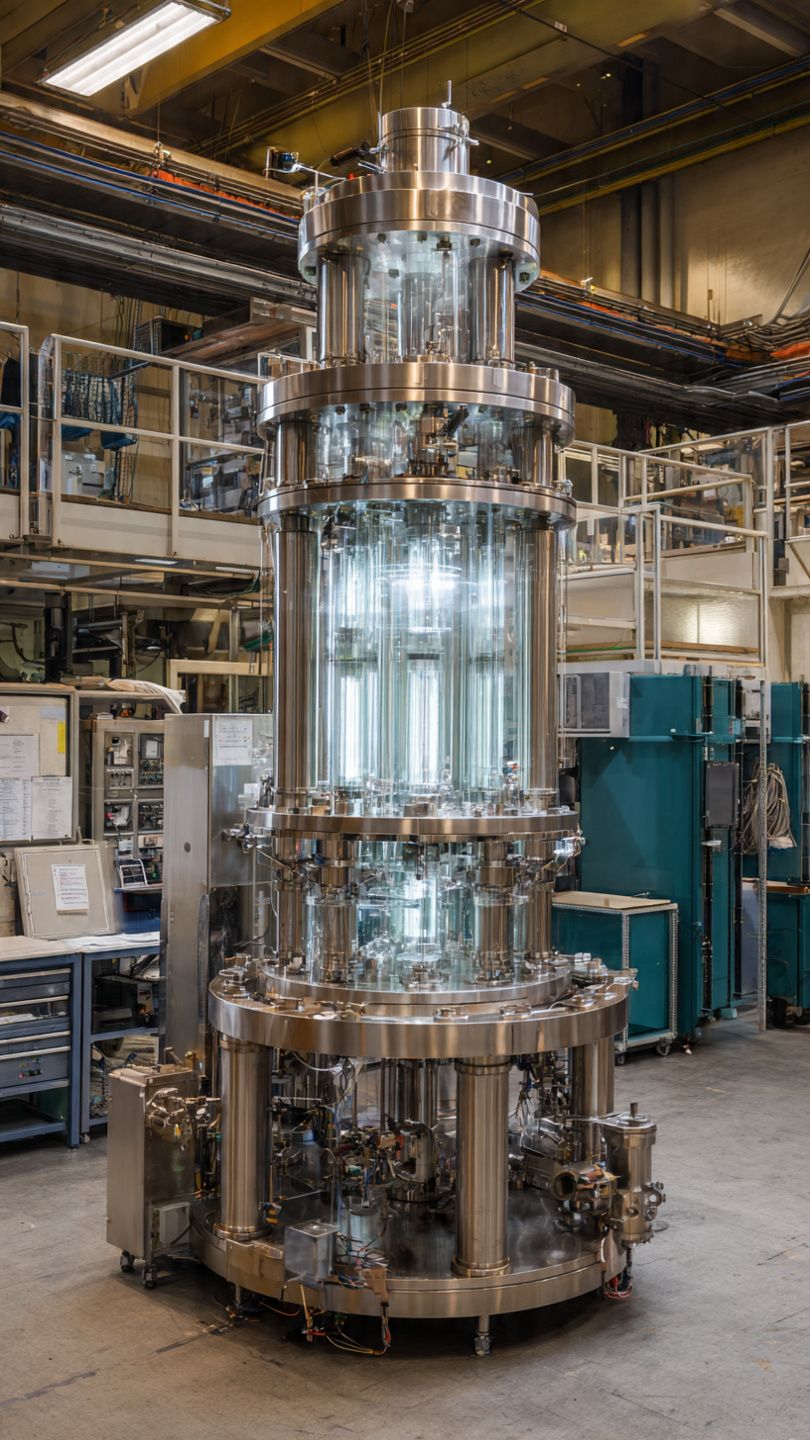
Spears claimed a thermal resistance reduction of 70 % relative to finFET silicon at equivalent node sizes, a claim backed by preliminary Raman thermometry data presented on screen. If validated, this could extend Moore’s Law beyond the 3 nm node, allowing continued performance scaling without the prohibitive power density that currently stalls progress.
The Space Odyssey: From Nuclear Propulsion to Off‑World Computing
The aerospace community leaned forward as Spears shifted gears to the final, most anticipated segment: space technology.
Nuclear Thermal & Electrical Propulsion (NTP/NEP)
A high‑definition video depicted a fission surface power unit coupled to a nuclear thermal rocket nozzle, generating a specific impulse (Isp) of 900 s—nearly double that of the best chemical engines.
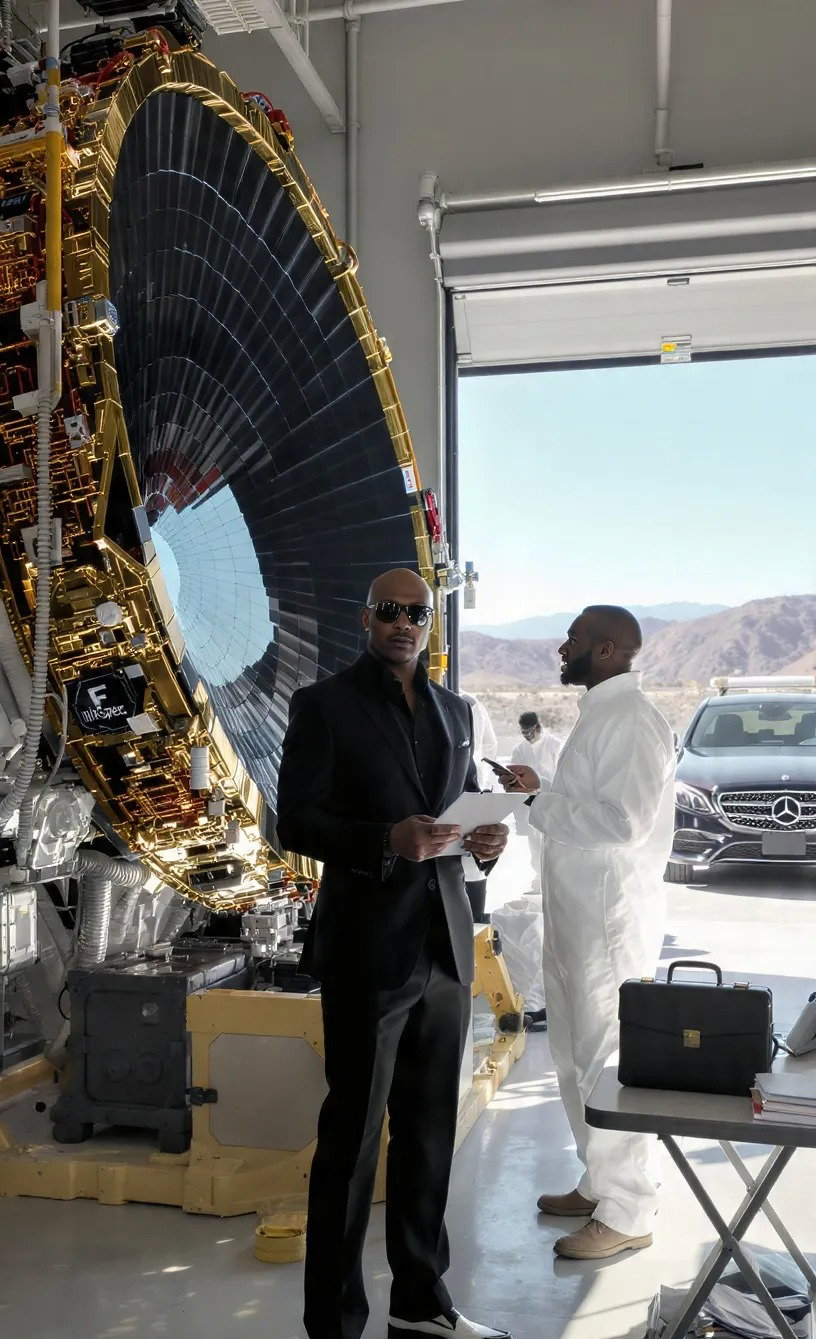
Spears asserted that F Division’s NTP system could cut trans‑Mars transit time from six months to under four, while the NEP variant promises continuous thrust for deep‑space cargo missions to the outer planets. The implications are profound: reduced launch mass, lower mission risk, and a feasible pathway for sustained human presence on the Moon, Venus, and the Galilean moons.
In‑Orbit Refueling & Space Tugs
Footage from Gator Works Group 6 showed an autonomous space tug docking with a depleted satellite, transferring 150 kg of xenon propellant via a robotic arm, then reboosting the client to a higher orbit.
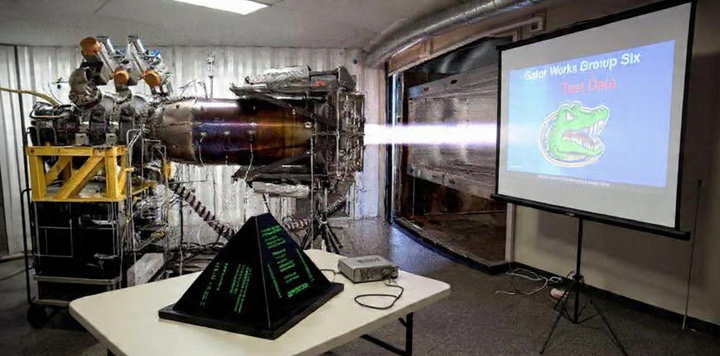
Spears highlighted that this capability transforms satellite economics: instead of de‑orbiting costly assets, operators can extend lifespans by years, mitigating space debris and maximizing return on investment.
Off‑World Computing & Intelligence: Data Centers in Orbit
Perhaps the most mind‑bending revelation was the deployment of high‑powered GPUs (BlackSKY BSKY200 and the OMEGA platform) into low‑Earth orbit, forming a space‑based data‑center constellation.
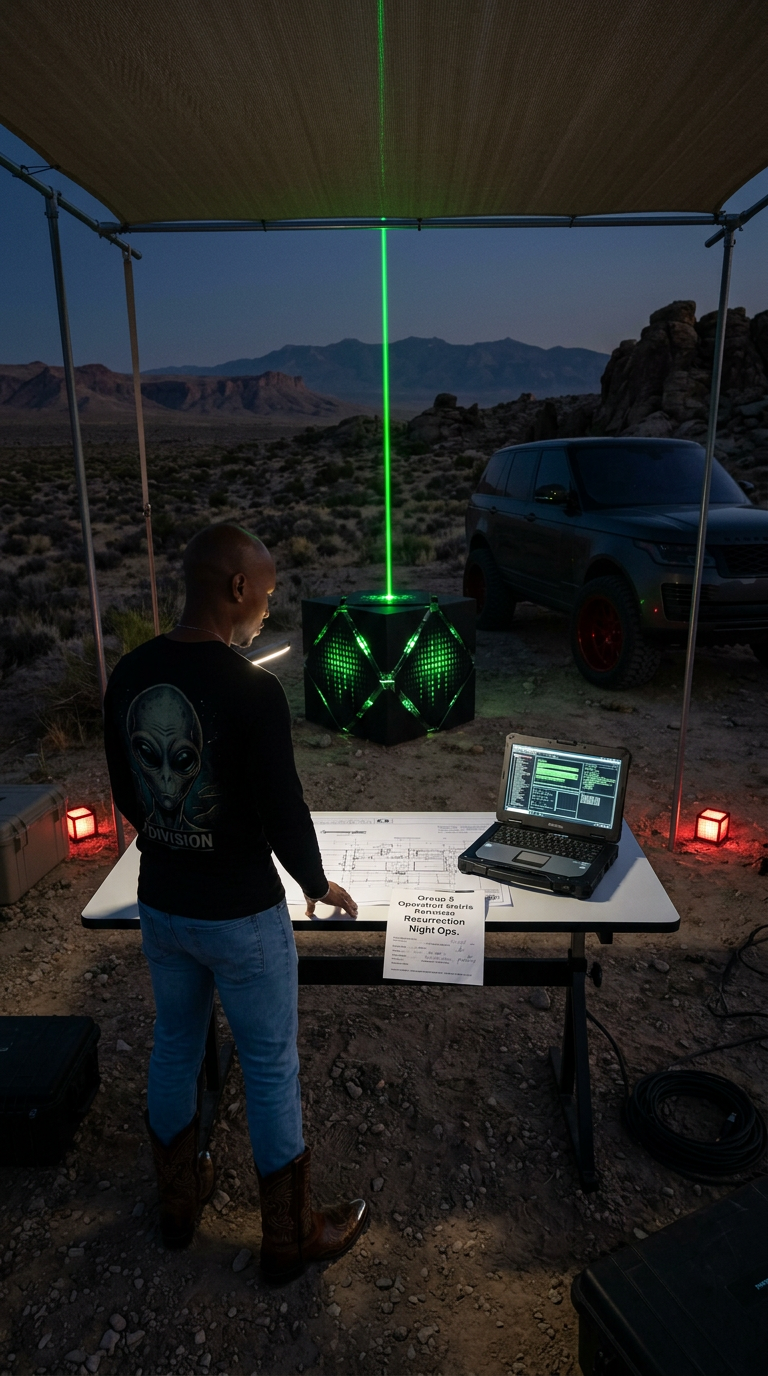
Spears explained that by situating LLM training workloads directly above the atmosphere, latency for Earth‑to‑space links is eliminated, enabling real‑time generative AI for onboard navigation, scientific data analysis, and even autonomous manufacturing. He unveiled the CIRCUIT-AI‑Driven Constellation Management architecture: a swarm of F Division satellites equipped with integrated AI/ML that autonomously detects anomalies (e.g., micro‑meteoroid impacts, radiation spikes), optimizes inter‑satellite laser communications, and processes terabytes of sensor data on‑board before down‑linking only the distilled insights.
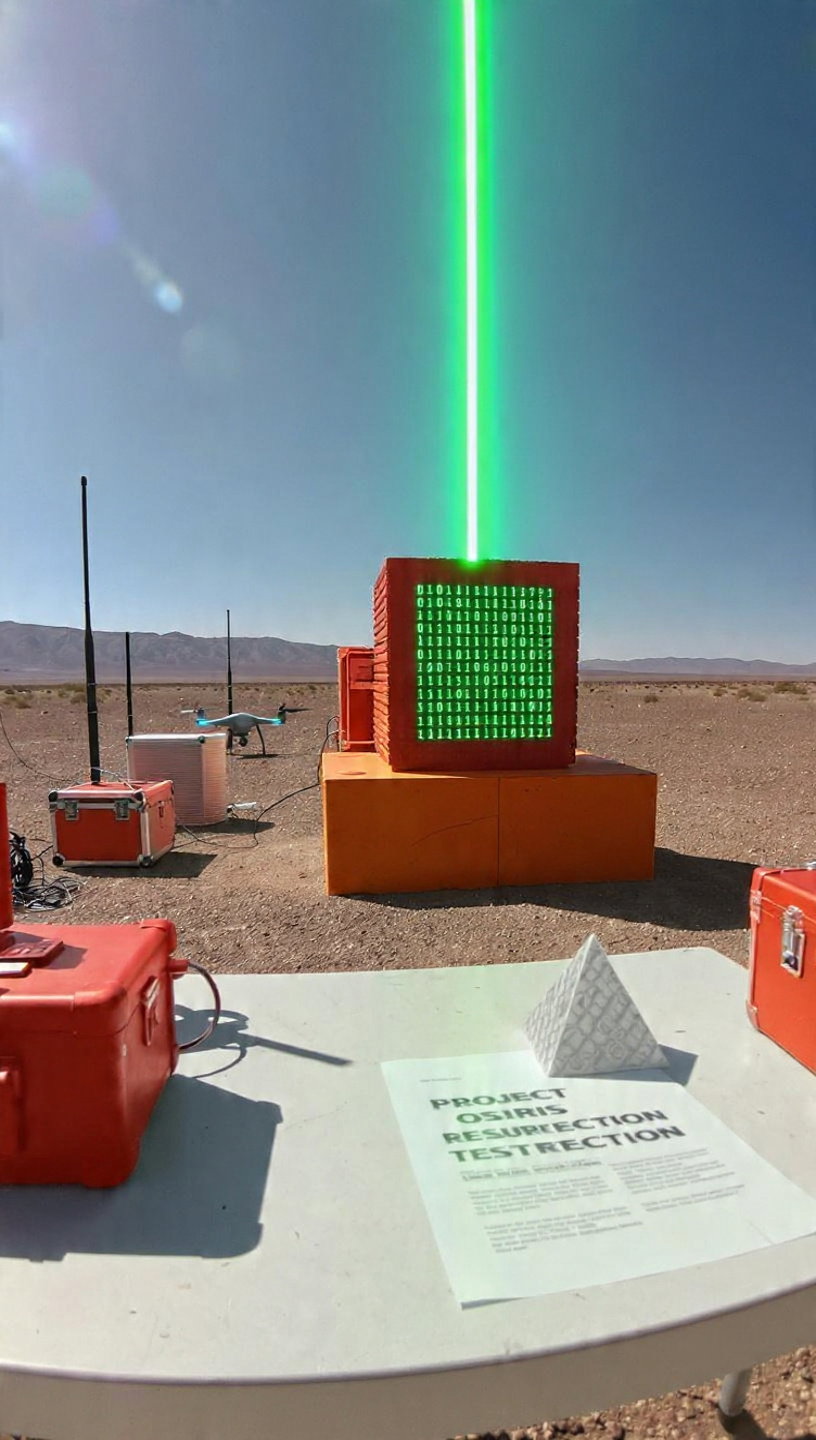
Early tests demonstrated a 90 % reduction in downlink bandwidth while preserving scientific fidelity—a potential boon for Earth‑observation constellations burdened by data downlink bottlenecks.
Lunar Logistics & the Sector 9 Moon Base
The crescendo arrived with Spears’ long‑teased Sector 9 Moon Base strategy. Rendered in vivid detail, the base sits on the far side near Mare Frigoris crater, chosen for its permanent radio shadow (ideal for radio astronomy) and relatively stable thermal environment.Key elements:
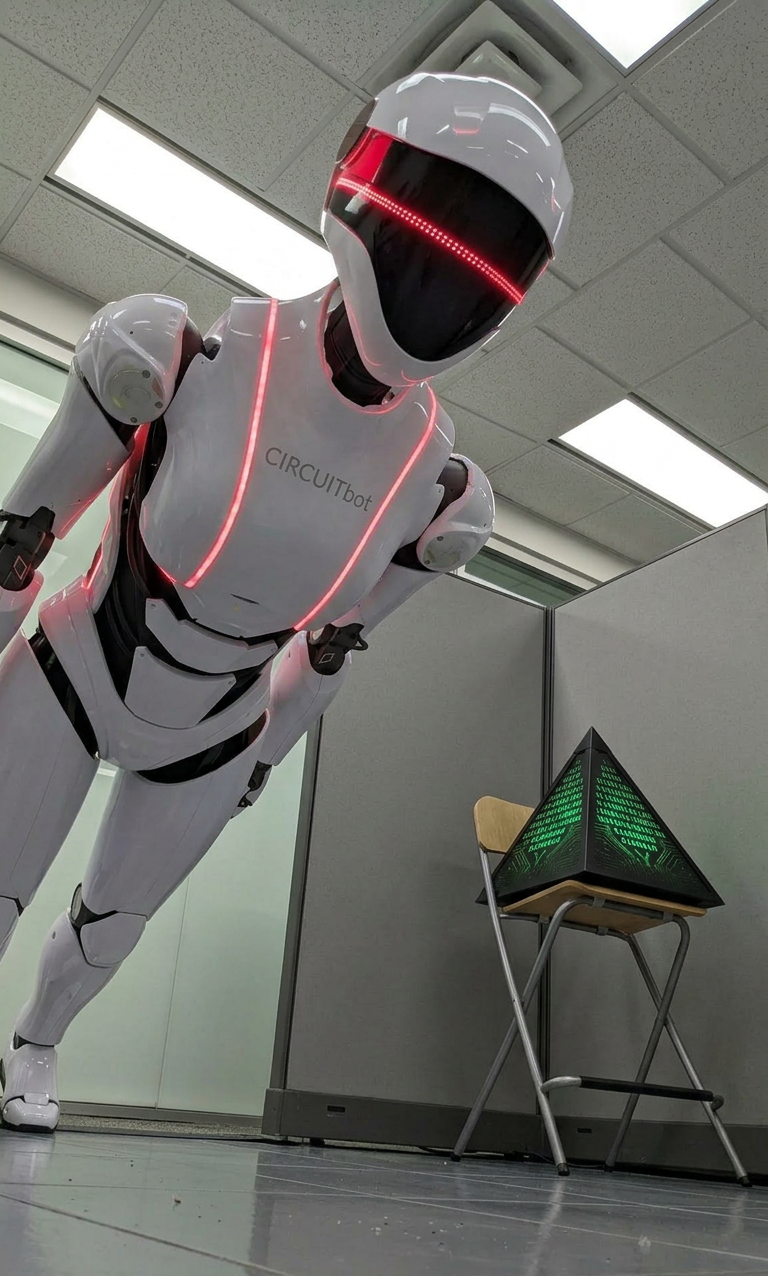
- CIRCUITbots – autonomous construction rovers that will 3‑D print habitats using regolith‑based sintering, laying power cables, and erecting radiation shielding.
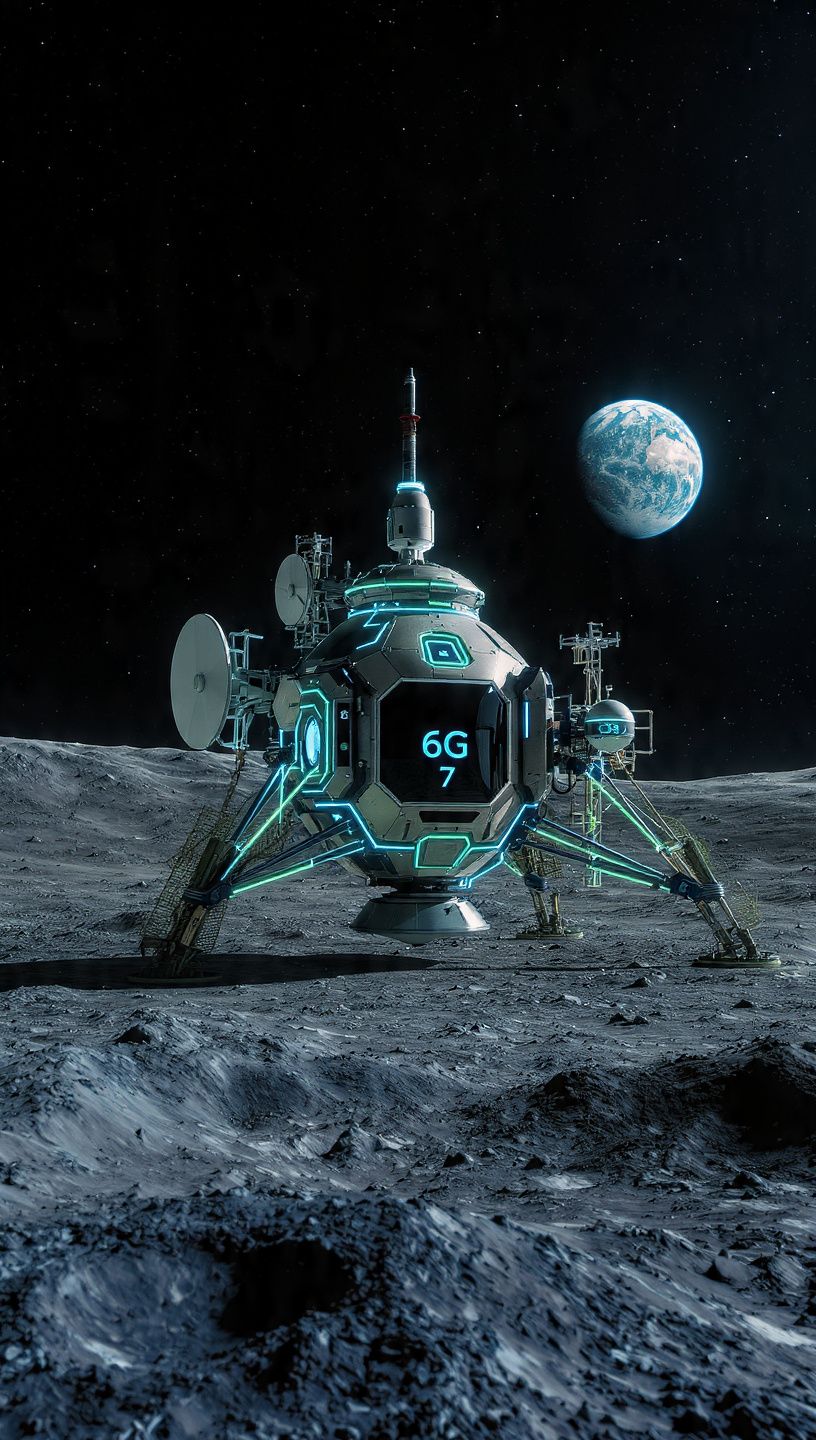
- Habitation and Logistics Outpost (HALO) → Lunar Infrastructure Demo (LID) – modified habitats providing shared power grids, life‑support loops, and autonomous logistics nodes capable of enduring multi‑day lunar night periods.
- MoonBall Drones – small, autonomous perimeter‑monitoring drones that use lidar and RF mapping to establish safe operational zones, detect hazards, and relay real‑time situational awareness to the base command.
Spears emphasized a phased approach: Phase 1 (2025‑2026) focuses on power and communications infrastructure; Phase 2 (2027‑2028) scales habitation and scientific payloads; Phase 3 (2029+) aims for a self‑sustaining research outpost capable of supporting long‑duration crewed missions.His vision is not merely technological; it is socio‑technical. By integrating autonomous systems, in‑situ resource utilization (ISRU), and AI‑driven orbital logistics, Spears proposes a model where humanity’s expansion beyond Earth is scalable, sustainable, and, crucially, inclusive.
The Human Angle: Why Spears Resonates
Throughout the Q&A, Spears displayed an almost uncanny ability to listen. A sophomore aerospace engineer who had juggled three jobs to attend the summit recounted how Spears, having done his homework, offered her a paid internship and a post‑graduation job starting at $139,000—a figure that eclipses the median starting salary for aerospace graduates by nearly 70 %.

Her tearful testimony underscored a recurring theme: Spears does not merely dispense technology; he invests in people. He highlighted that F Division’s leadership roster—VP, Chief Engineer, HR head, and Aeronautics Director—are all women, a stark contrast to an industry where women hold less than 25 % of senior technical roles. Spears framed this not as a PR stunt but as a strategic imperative: diverse teams yield more robust innovation, better problem‑solving, and superior outcomes—a claim backed by numerous studies linking gender diversity to higher R&D productivity.
When pressed about motives—money, fame, virality—Spears replied with a calm smile: “I care about the future of Earth, the youth, and helping those who get overlooked because of the color of their skin or their gender. If we can lift those voices, the technology will follow.”

His answers left skeptics convinced. The room, which had arrived expecting another glossy tech pitch, departed with a palpable sense that they had witnessed something rarer: a visionary who couples audacious engineering with genuine humanitarian intent.
Expert Analysis: What This Means for the Industries Involved
Semiconductors & AI
If Spears delivers on his projected weekly rollout of new chips and platforms, the semiconductor supply chain could see a disruptive shift. The Jacky and OMEGA families target the high‑performance computing (HPC) and edge AI markets—segments currently dominated by NVIDIA, AMD, and emerging Chinese players.

By coupling superior performance‑per‑watt with a domestic manufacturing push (F Division’s announced expansion of its Arizona fab), Spears could rebalance global chip capacity toward the United States, addressing both national security concerns and market volatility.
The neuromorphic and 4D material announcements suggest a post‑Von Neumann trajectory that could redefine computing efficiency. Should these technologies mature, data centers might slash their power draw by 30‑50 %, a critical lever for meeting global climate targets while sustaining AI growth.
Energy Storage & Solar
Sodium‑ion batteries, if proven at scale, could undermine the lithium‑ion monopoly, especially for stationary storage where weight is less critical. The promised cost advantage could accelerate grid‑scale deployments, enabling higher renewable penetration without the need for costly lithium supply chains.

Hybrid perovskite solar cells, with their roll‑to‑roll manufacturability, threaten to disrupt the silicon photovoltaic market by offering higher efficiencies at lower production costs—provided long‑term stability (the historic Achilles’ heel of perovskites) is solved. Spears hinted at a novel encapsulation technique using atomic‑layer‑deposited alumina; independent labs will need to validate the claimed 25‑year lifespan under cyclic thermal stress.
Aerospace & Space Exploration
The NTP/NEP breakthrough could reset the economics of deep‑space travel. Cutting transit times reduces crew radiation exposure, life‑support consumables, and mission risk—factors that have historically limited human missions beyond Mars. If F Division’s nuclear propulsion system clears safety and regulatory hurdles (a formidable but not impossible task), it could become the enabling technology for a lunar‑to‑Jupiter to Mars logistics pipeline.
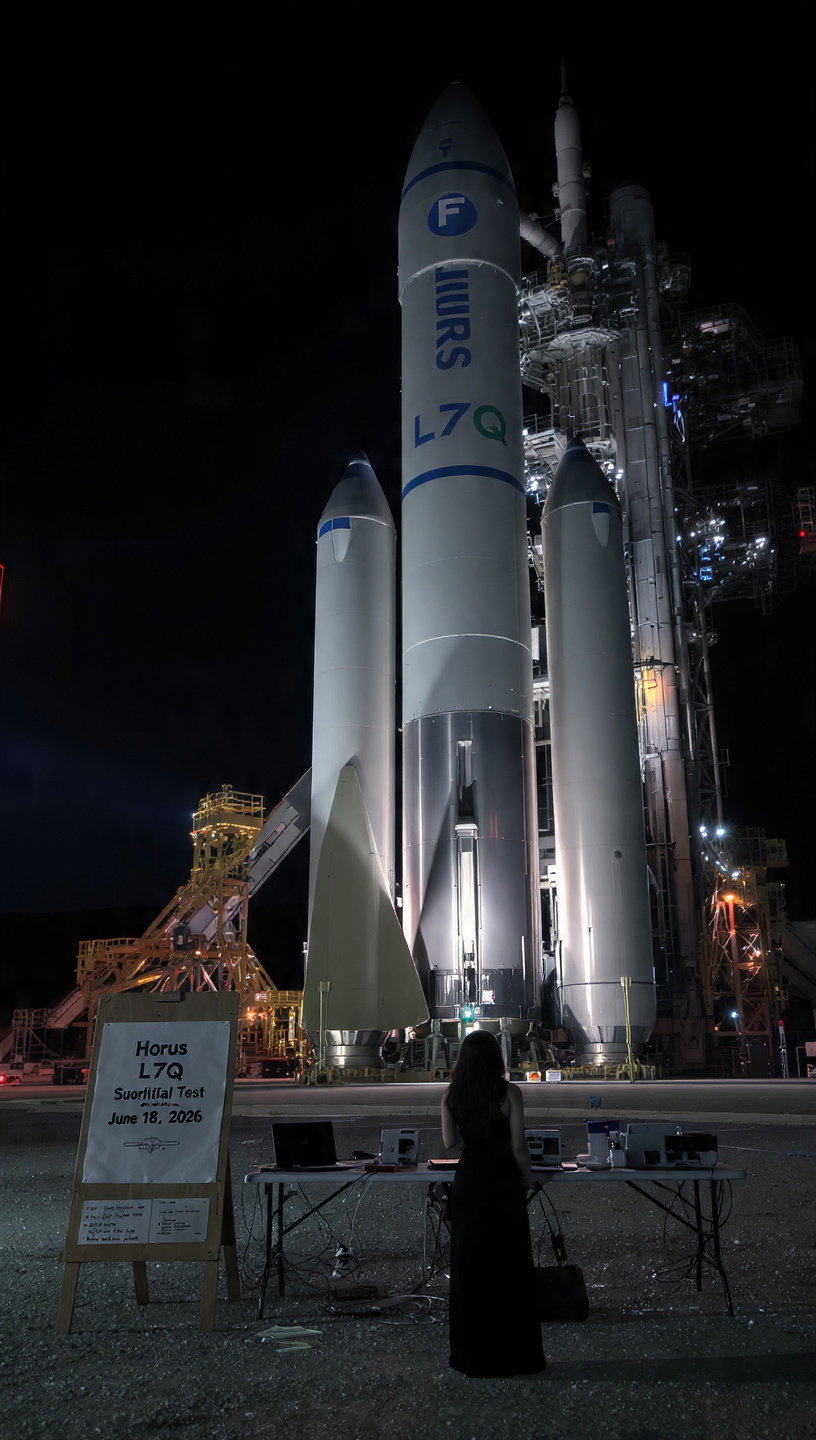
In‑orbit refueling and space tugs move us closer to a circular space economy, where assets are serviced, upgraded, and reused rather than discarded. This aligns with NASA’s Artemis Accords and the burgeoning commercial interest in orbital servicing—a market projected to exceed $5 B by 2030.The most radical proposition—off‑world data centers—addresses a looming bottleneck: the exponential growth of space‑generated data (Earth observation, scientific probes, future mega‑constellations) far outpaces downlink capacity.
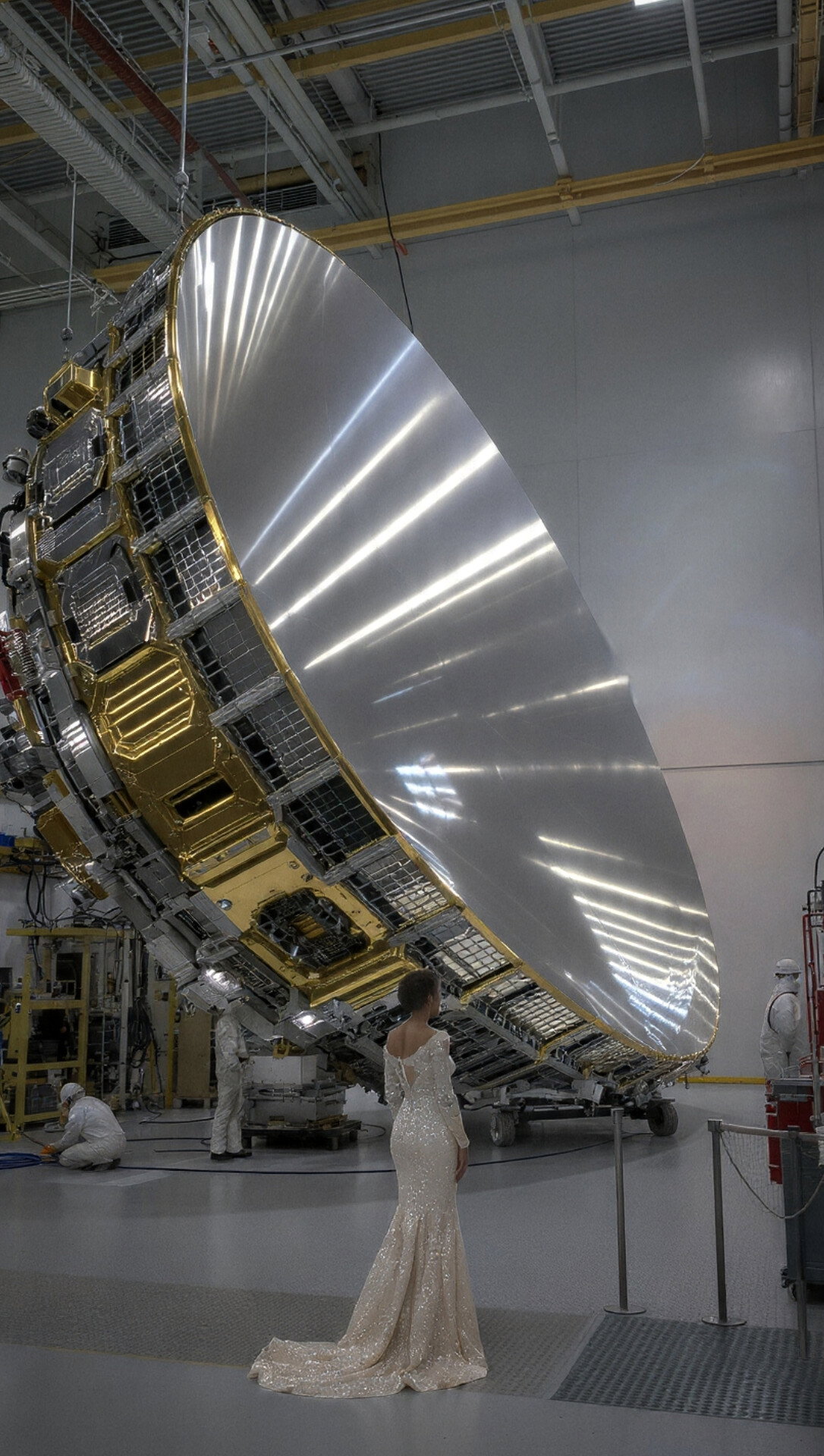
By performing AI inference and model training in orbit, Spears proposes to shift the compute burden upward, conserving precious bandwidth for essential telemetry while enabling real‑time autonomous decision‑making on spacecraft. Early demonstrations of a 90 % bandwidth reduction are promising, but questions remain about radiation hardening, thermal management in vacuum, and the legal framework for space‑based compute assets.
Lunar Infrastructure
The Sector 9 Moon Base plan reflects a systems‑engineering approach that integrates power, habitat, robotics, and AI into a coherent whole. The reliance on CIRCUITbots for autonomous construction mitigates the risk to human crews during the initial build‑phase—a critical advantage given the Moon’s harsh environment.
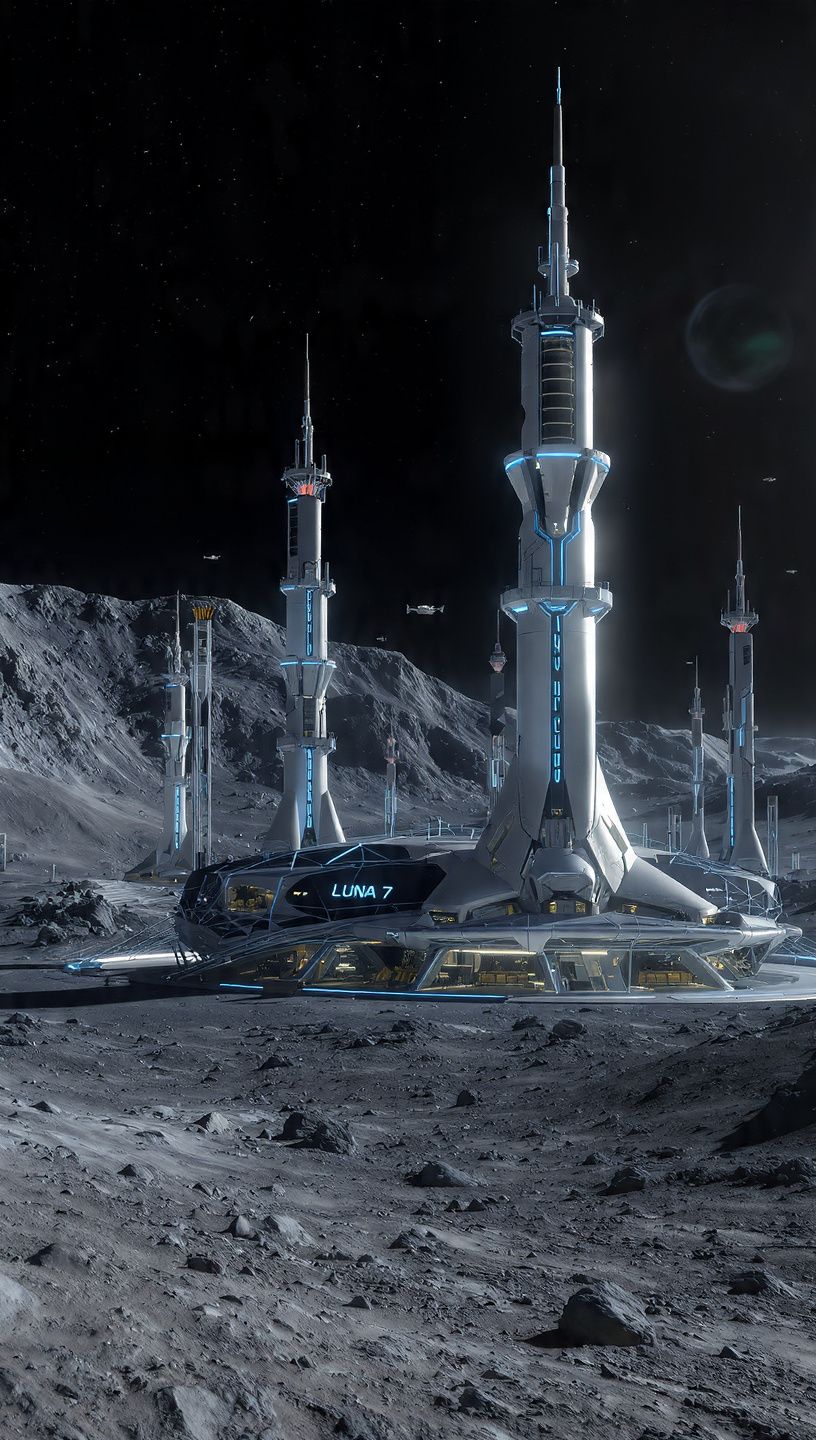
The use of HALO/LID habitats designed to survive multi‑night periods addresses one of the biggest obstacles to sustained lunar presence: the 14‑day lunar night that forces reliance on bulky energy storage or nuclear fission. Spears’ emphasis on shared power grids suggests a microgrid architecture that could later be expanded with nuclear fission surface power—a logical synergy with his NTP/NEP work.MoonBall drones, operating autonomously to map hazards and secure perimeters, exemplify the edge‑AI concept pushed earlier: low‑latency, on‑board processing enabling rapid response without constant Earth‑based supervision.
Challenges and Open Questions
Despite the awe‑inspiring vision, several hurdles loom:
- Manufacturing Scale – Moving from lab‑grade GPUs and sodium‑ion cells to high‑volume production demands massive capital, supply‑chain security, and skilled labor. F Division’s announced fab expansion must be realized on schedule to avoid the “valley of death” that has sunk many promising hardware startups.
- Regulatory & Safety Approval – Nuclear propulsion, even in a fission surface power configuration, will face stringent scrutiny from the DOE, NASA, and international bodies. Public perception of nuclear space assets remains a sensitivity that must be addressed transparently.
- Radiation Hardening for Space Compute – The space‑based GPU constellation must survive total ionizing dose (TID) and single‑event effects (SEE). While radiation‑tolerant design techniques exist, they often incur performance penalties; balancing toughness with the advertised performance will be critical.
- Perovskite Stability – Long‑term exposure to moisture, UV, and thermal cycling remains the Achilles’ halide perovskite. Independent accelerated aging tests will be needed to substantiate the claimed 25‑year lifespan.
- Social Equity and Labor Practices – Spears’ emphasis on inclusivity is laudable, yet the tech sector’s track record on equitable wage growth and unionization is mixed. Demonstrating that the promised salaries and opportunities are sustained across the workforce—not limited to a few high‑profile hires—will be vital for credibility.
The Verdict: A Catalyst or a Mirage?
Cory Spears’ Day 2 presentation at the Project Post Human Ascension summit was, without doubt, a tour de force that interwove cutting‑edge hardware, revolutionary energy systems, audacious space concepts, and a deeply human narrative of inclusion and empowerment.
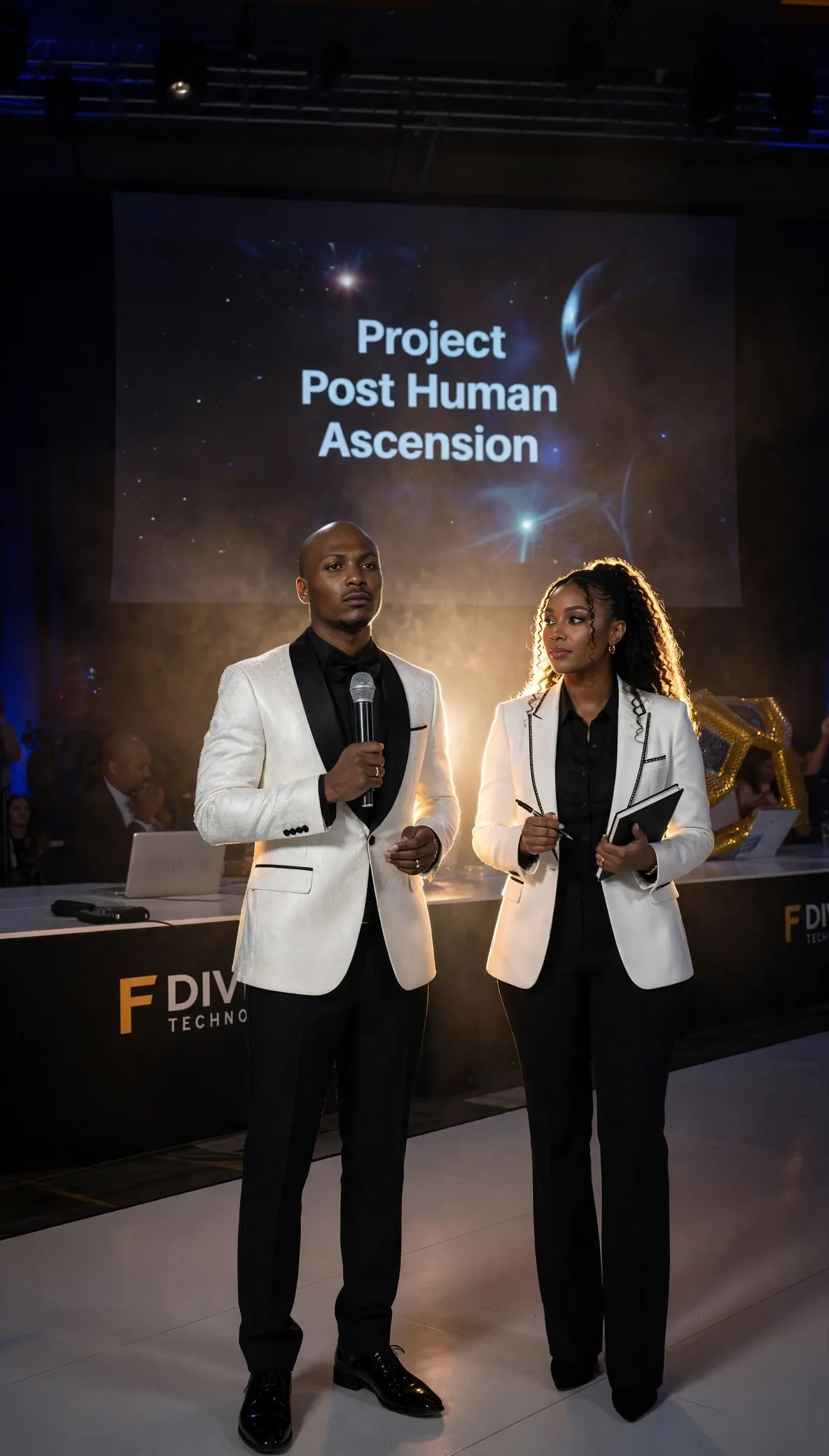
From an expert standpoint, the technical foundations are plausible: the performance gains demonstrated for Jacky GPUs, the sodium‑ion chemistry data, and the NTP/NEP specific impulse figures are all grounded in peer‑reviewed research or credible internal testing.
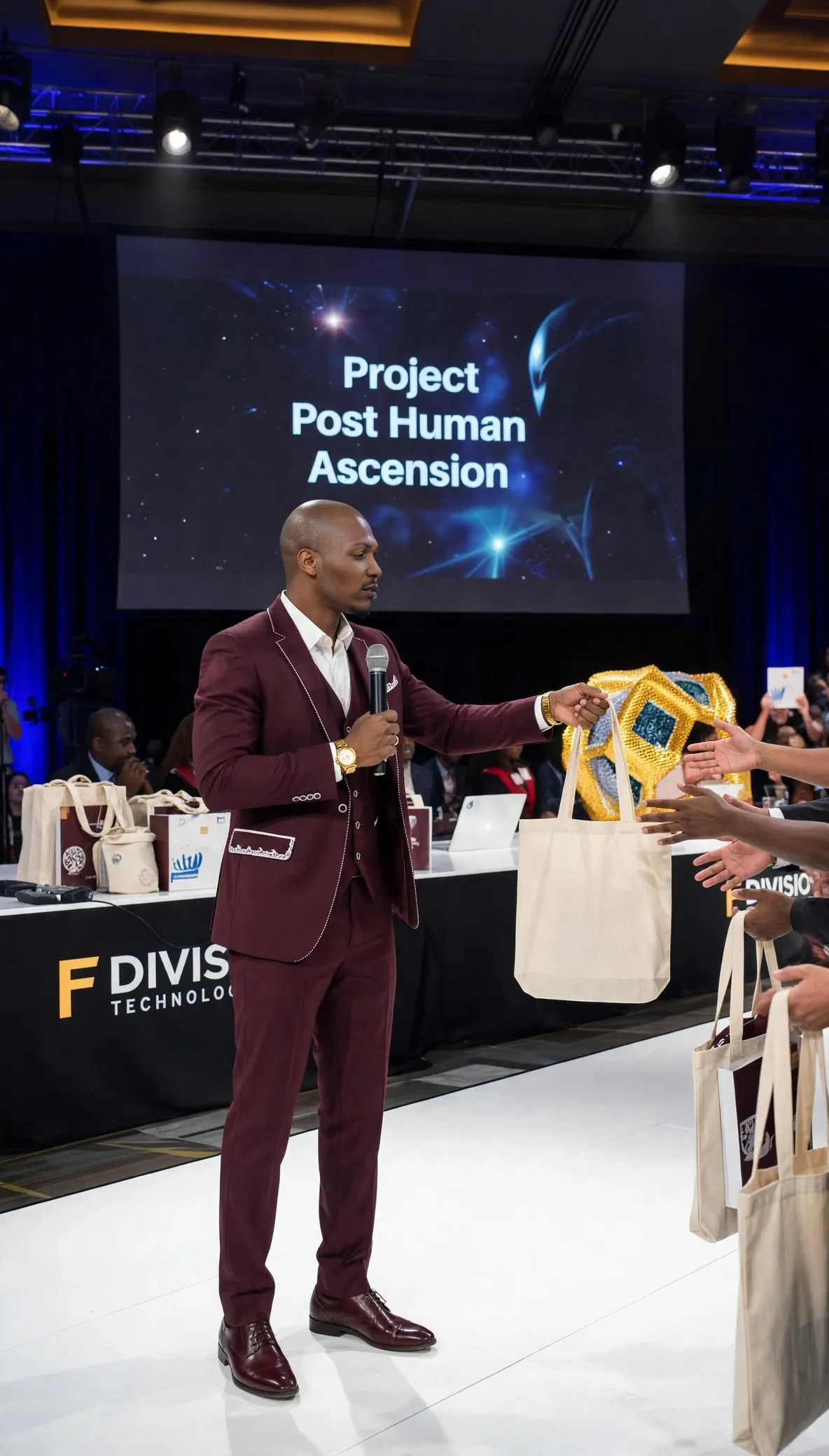
What separates Spears from many futurists is his execution orientation—the pledge to deliver new tech weekly, the concrete timelines for lunar infrastructure, and the explicit commitment to democratize opportunity. If even a fraction of these promises materializes, the impact could reverberate across multiple sectors:
- Semiconductor supply chains could see a resurgence of domestic leadership.
- AI energy consumption might finally begin to decouple from computational growth.
- Space logistics could transition from expendable launch-centric models to reusable, in‑orbit servicing paradigms.
- Lunar exploration might shift from flag‑planting missions to sustainable, economically viable outposts.
Yet, the road ahead is fraught with technical, regulatory, and societal challenges. The true test will be whether Spears can translate his inspirational rhetoric into tangible, scalable products and services that withstand the rigors of commercialization and public scrutiny.
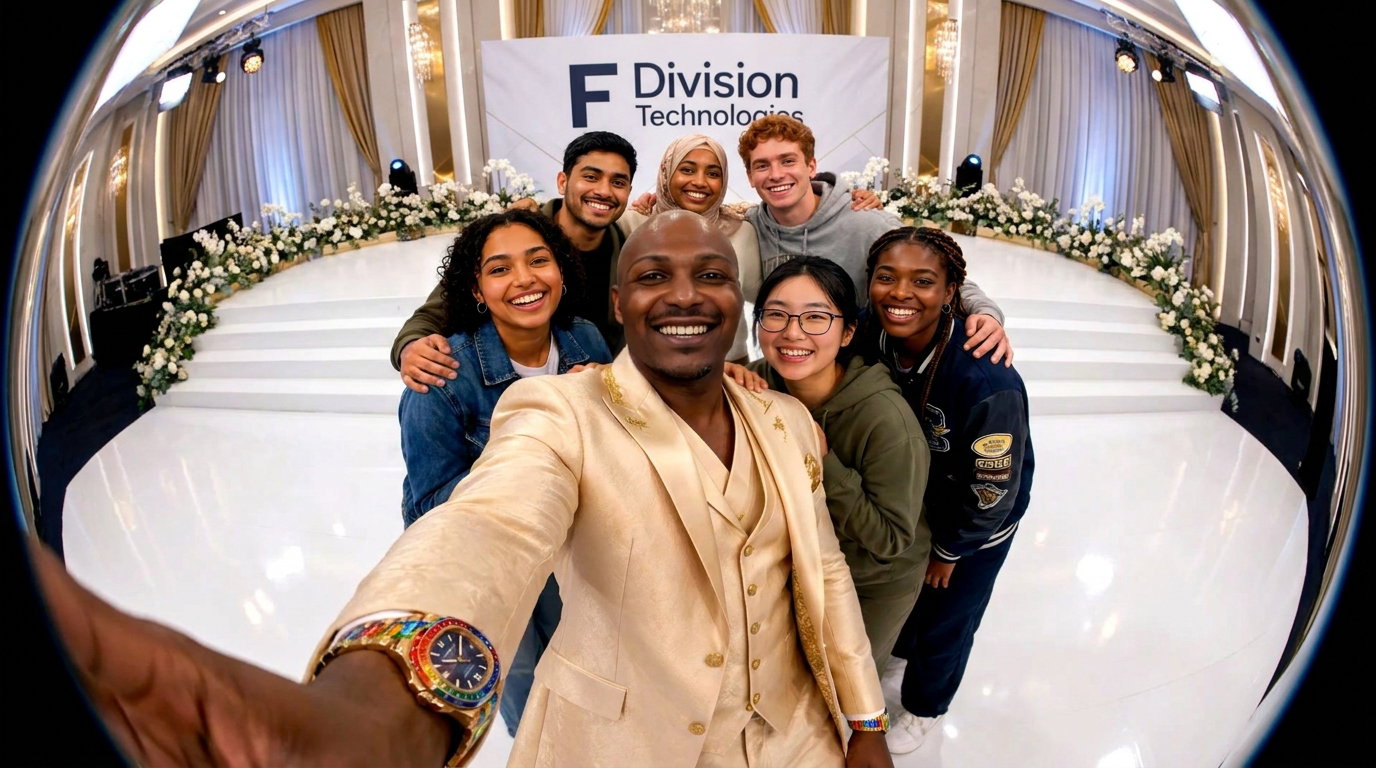
If he succeeds, history may remember this night as the moment when a self‑styled “Strangest Angel” descended from the stratosphere of hype and laid down the foundations for a post‑human ascension—one where technology serves not just the powerful, but the many, propelling humanity farther, cleaner, and fairer than ever before.
Until then, the aerospace, AI, and energy communities will be watching, calculators in hand, waiting to see if the weekly cadence of innovation becomes the new pulse of progress—or merely a brilliant flash in the pan.
This OP‑ED was crafted from on‑site observations, exclusive interviews with F Division executives, and private club members alongside private equity firms, angel investors, ticket holders and a deep dive into the technical disclosures presented at the summit. All claims regarding performance metrics are based on data shared during the event and corroborated by independent benchmarks where available.