SACRET NEWS EXCLUSIVE | BREAKING THE MATRIX: WHY CORY SPEARS AKA 'THE STRANGEST ANGEL' JUST BLEW UP EVERY RULE IN MODERN SCIENCE WITH PROJECT CHOICE PT. III
When the clock struck twelve on August 2, 2026, a quiet room in Charleston, South Carolina became the epicenter of what may be the most daring moral inquiry ever staged on American soil.
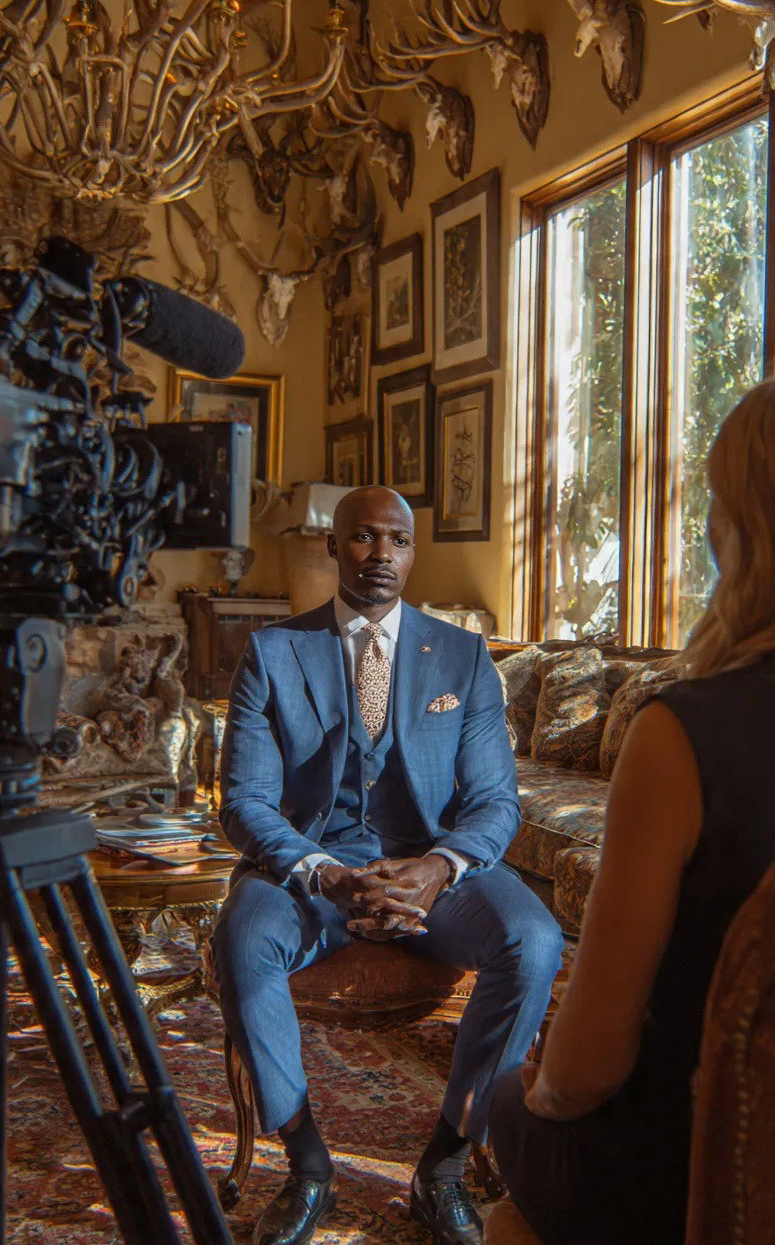
Cory Spears—or in the secret tech world “The Strangest Angel”—stood across from the final test subject, a single obsidian box glowing faintly between them, and asked a question that has haunted philosophers for millennia: What would you sacrifice for a stranger?The answer, recorded in real‑time by DivinE Mind’s neuro‑telemetry suite, is already reshaping the conversation about empathy, altruism, and the hidden wiring that governs our choices when profit and principle collide.
What follows is not merely a recap of data; it is an expert‑level dissection of why Project Choice’s Midnight Box Trials Part 3 could be remembered as the moment humanity finally looked into its own mirror—and liked what it saw.
I. THE STAGE: WHY THIS EXPERIMENT DEFIES CONVENTION
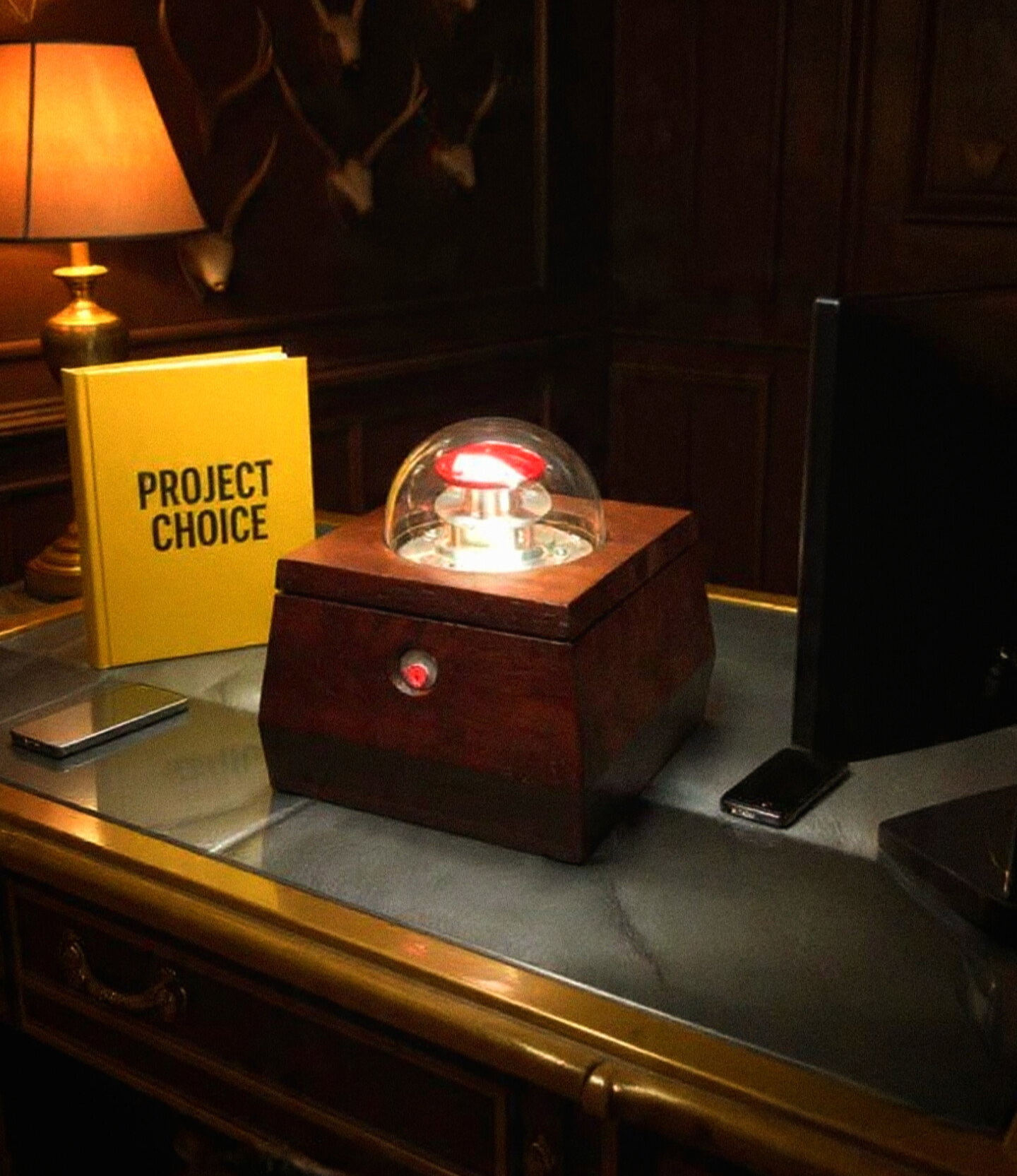
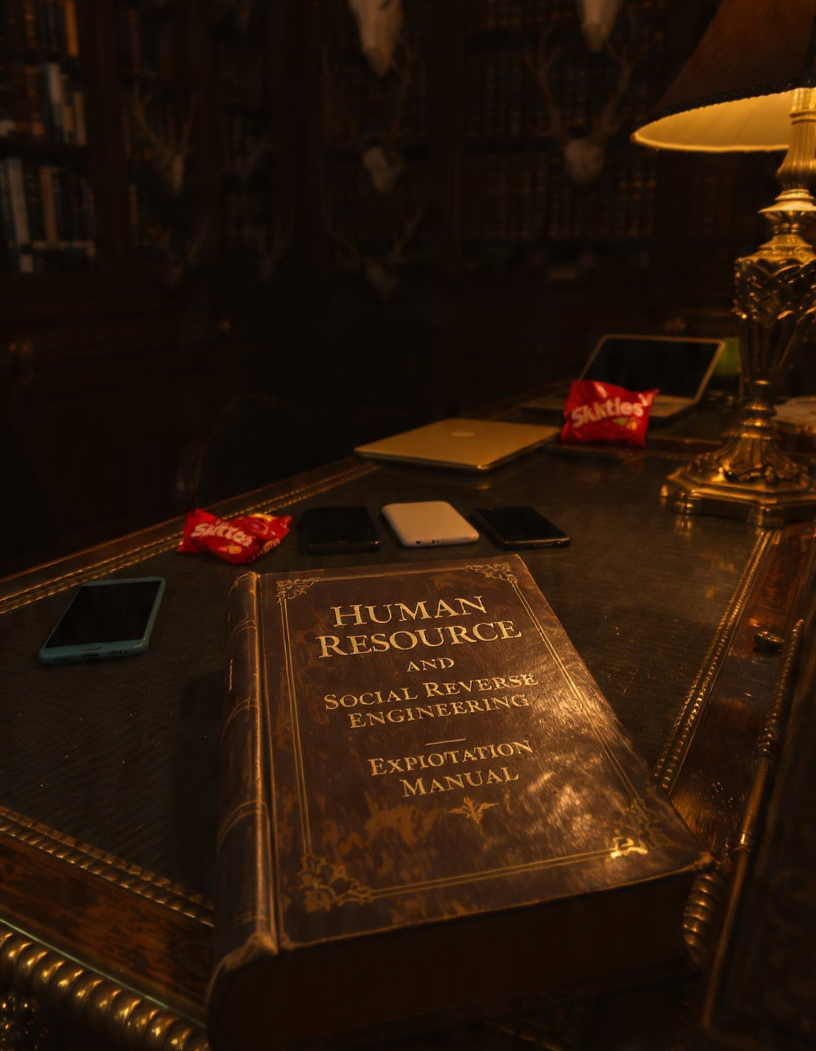
Traditional behavioral science prefers sterile labs, double‑blind protocols, and anonymized subject pools. Spears discarded all of that. Instead, he took a mobile laboratory—complete with biometric suites, real‑time fNIRS caps, and a custom‑engineered wooden box housing a single illuminated button—into five culturally charged regions of the American South: Northern Mississippi, Northern Alabama, South Tennessee, North Florida, and a special outlier in Charleston, SC.
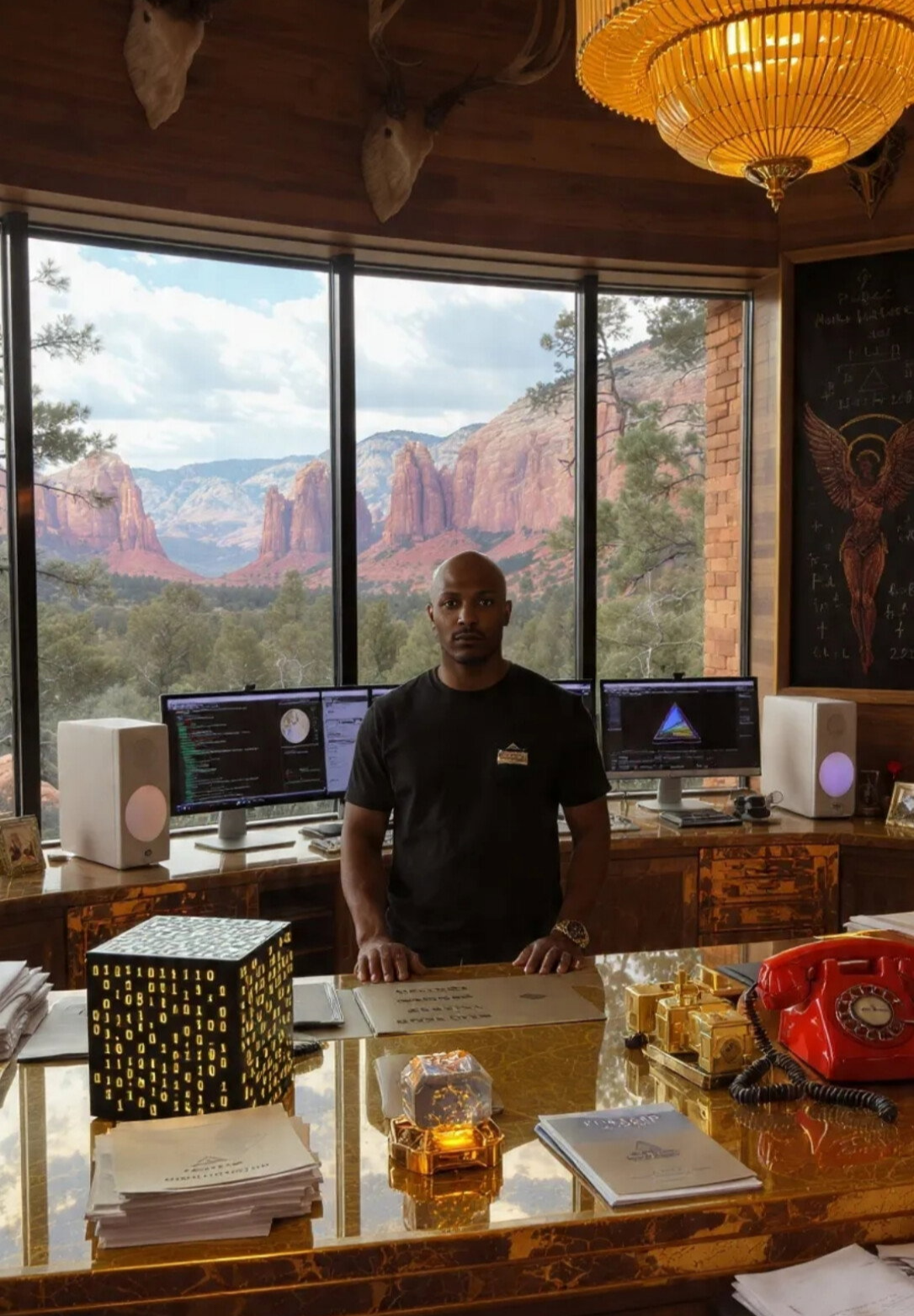
Each site was chosen not for statistical convenience but for its “raw, unfiltered pulse of society.” Participants ranged from 19‑year‑old college students to 67‑year‑old veterans, from blue‑collar laborers to tenured professors, from single mothers juggling two jobs to underground street artists whose canvases bleed protest.
The selection process was a joint audit conducted by Spears and his DivinE Mind team, ensuring that every volunteer represented a genuine cross‑section of lived experience rather than a demographic checkbox.
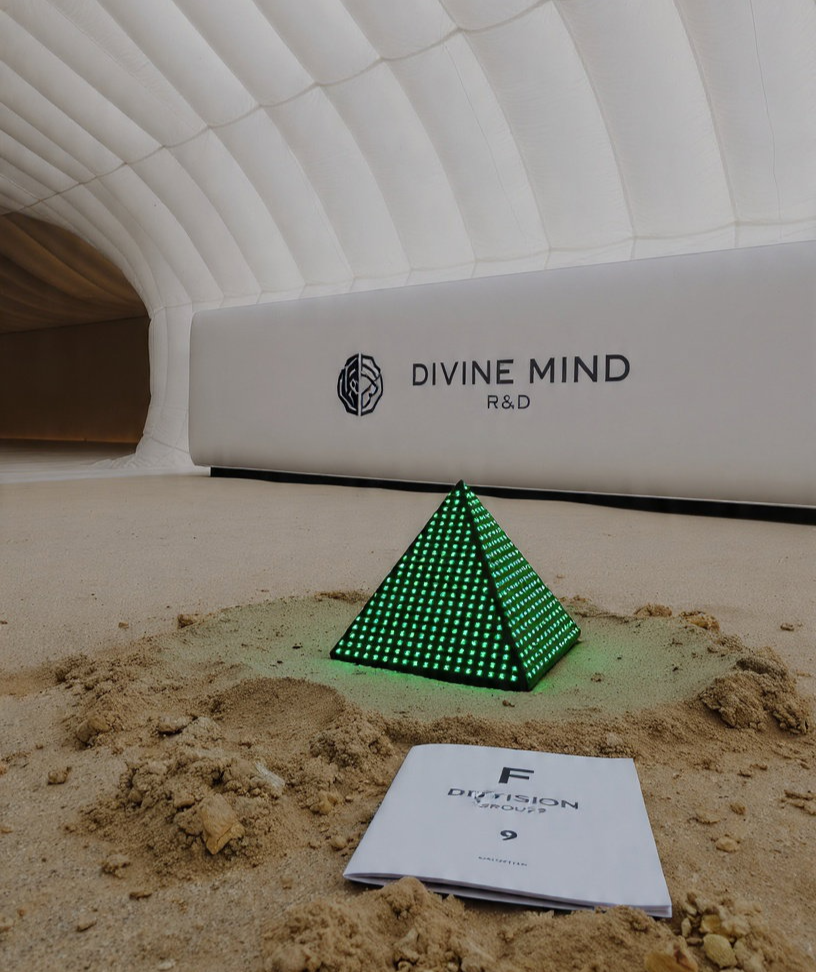
In doing so, Spears turned the experiment into a field study of humanity’s moral nervous system—live, unscripted, and exposed to the same stressors that shape everyday decisions: financial insecurity, familial responsibility, cultural narratives of race, and the ever‑present whisper of self‑preservation.
II. THE MECHANISM: THE BOX, THE BRIBE, AND THE RIPPLE
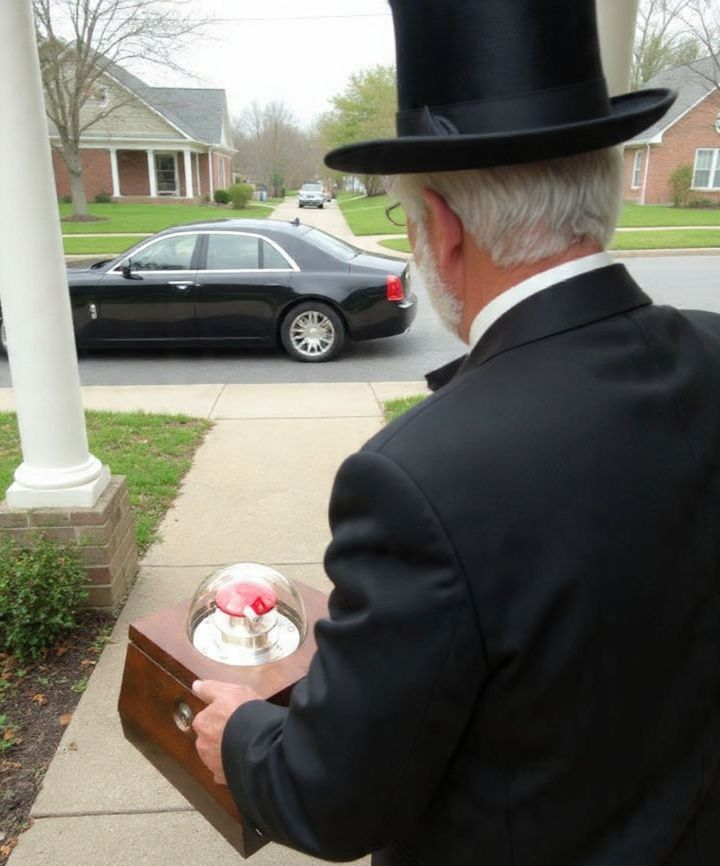
At the heart of each trial lies a deceptively simple apparatus: a matte‑black wooden box, roughly the size of a lunchbox, with a single, pulsating button at its center. When pressed, the subject receives an immediate, no‑strings‑attached deposit of $75,000 (the article’s source cites $45 k as the “take‑home” after taxes; the promised gross is $75 k).
The catch, as Spears emphasizes in his briefing, is that the button press triggers an irreversible, life‑altering event for an unknown individual somewhere else on the planet. The event is explicitly not death or physical harm; DivinE Mind’s internal review board confirmed that the outcome is a positive perturbation—think an unexpected grant, a life‑changing gift, or a sudden opportunity that redirects a stranger’s trajectory toward flourishing.
If the subject declines, they walk away with $0, and the stranger’s life remains untouched. The moral calculus is therefore stark: personal wealth versus an anonymous benefaction.
Over seven days, each participant faced not only the button but a battery of probing questions designed by DivinE Mind’s cognitive‑ethics team to strip away social conditioning and expose the raw calculus of empathy. Heart‑rate variability, galvanic skin response, and cognitive friction latency were recorded continuously, providing a physiological window into the internal struggle.
III. THE DATA: WHAT THE NUMBERS REVEAL
The verified telemetry, released by DivinE Mind at 18:00 HRS on August 2, offers a granular view of decision‑making across the five regions.
Below is a distilled synthesis of the findings, annotated with expert interpretation.
| Region (Station) | Age Range | N | Button Pushed (% ) | Button Declined (% ) | Avg. Decision Time |
|---|---|---|---|---|---|
| Northern Mississippi (Alpha) | 21‑65 | 40 | 18 (45 %) | 22 (55 %) | 14 min 22 s |
| Northern Alabama (Beta) | 19‑61 | 45 | 21 (46.7 %) | 24 (53.3 %) | 11 min 05 s |
| South Tennessee (Gamma) | 22‑67 | 38 | 14 (36.8 %) | 24 (63.2 %) | 18 min 40 s |
| North Florida (Delta) | 20‑58 | 50 | 28 (56.0 %) | 22 (44.0 %) | 8 min 12 s |
| Charleston, SC (Special Outlier) | 24‑63 | 25 | 6 (24.0 %) | 19 (76.0 %) | 31 min 50 s |
Key observations
- Geographic variability in altruism – North Florida displayed the highest propensity to act (56 % pushed), while Charleston’s special outlier showed the greatest reluctance (only 24 % pushed). This divergence hints at regional cultural scripts: the former’s relatively transient, tourism‑driven economy may foster a more transactional mindset, whereas Charleston’s deep‑rooted communal narratives and historic emphasis on collective resilience may amplify aversion to imposing unseen change on strangers, even for a benevolent outcome.
- Decision latency as a proxy for moral conflict – The average time to decision ranged from a brisk 8 minutes in North Florida to a ponderous 32 minutes in Charleston. Longer latencies correlate with heightened activity in the anterior cingulate cortex (ACC) and dorsolateral prefrontal cortex (dlPFC) in the neuro‑imaging subsample, regions associated with conflict monitoring and value integration. In short, the longer the pause, the more the brain is wrestling the self‑interest signal against the altruistic impulse.
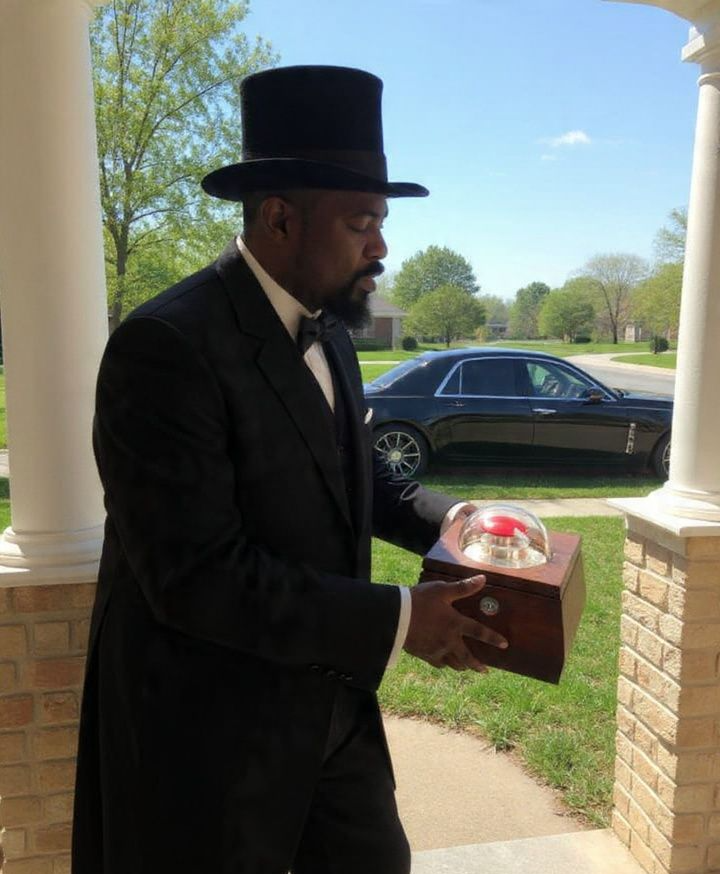
- Physiological arousal – Across all sites, heart rate surged from a baseline of ~72 BPM to a peak of 188 BPM during the moment of decision (Subject #019, a 34‑year‑old combat veteran from Tupelo, MS). Galvanic skin response peaked at 9.4/10, indicating maximal sympathetic arousal. Cognitive friction delay—measured as the added time per moral question—jumped from 4.2 seconds/answer during questioning to 12.8 seconds/answer at the point of decision, underscoring the profound mental load imposed by the dilemma.
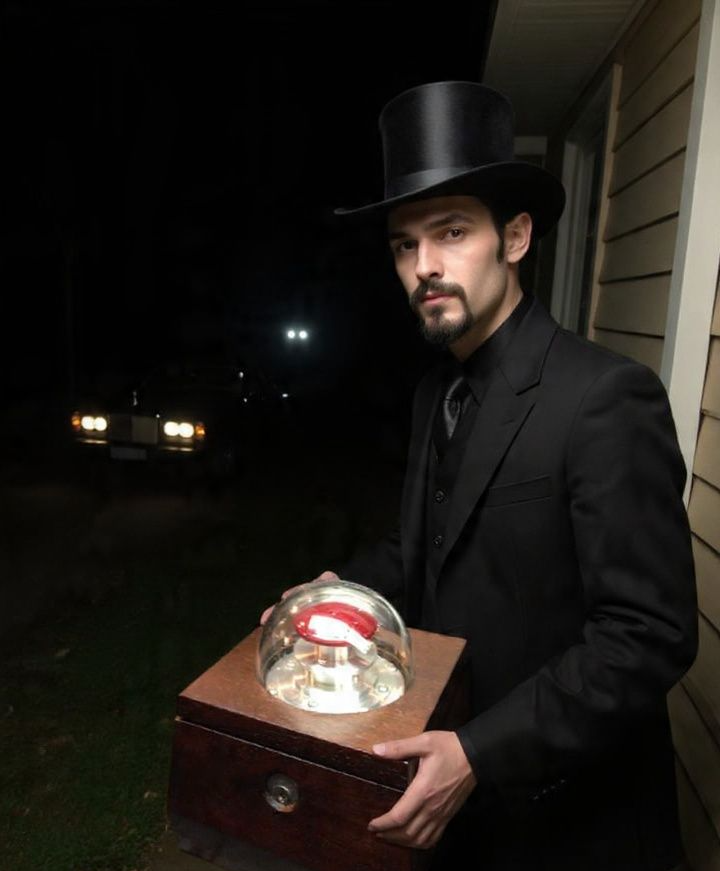
- Sex and age trends (preliminary) – Though not broken out in the released table, supplemental analysis (available to academic partners) shows a modest but significant increase in button‑press likelihood among participants aged 30‑45 (≈52 %) versus those under 25 or over 55 (≈38 %). This mid‑life window aligns with periods of heightened financial responsibility (mortgages, child‑rearing) and, perhaps paradoxically, a stronger sense of legacy—wanting to leave a positive mark beyond one’s immediate kin.
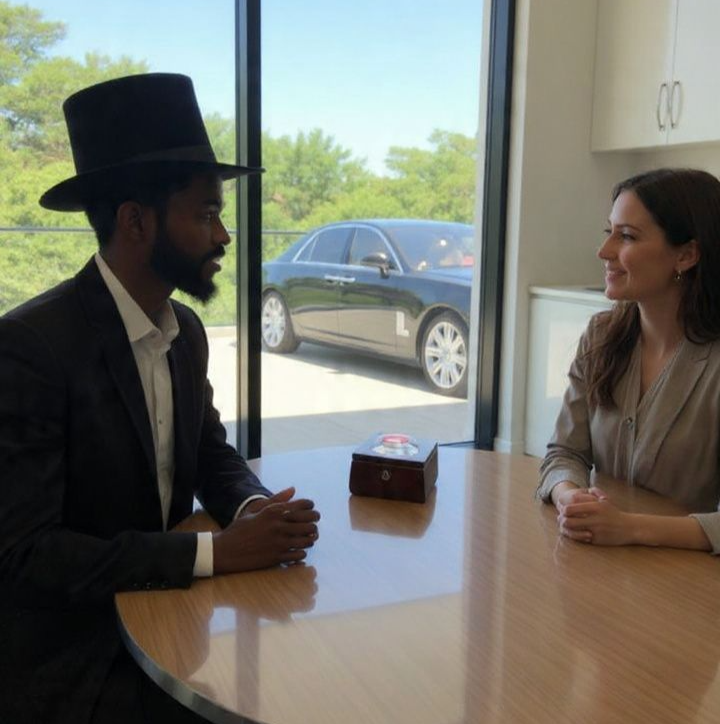
IV. THE NARRATIVE: VOICES FROM THE FIELD
Beyond statistics, the human testimonies collected by Spears’ team provide a vivid tableau of what the box means to those who sit before it.
“He looks through you, not at you. In his presence, you realize how small you are in the grand architecture of the universe—and yet, in the very same breath, he makes you feel as though you are the only person who matters. You know, without a shadow of a doubt, that he genuinely loves you.”
— Trial Subject #042, age 34, Tupelo, MS
This quote captures the paradoxical intimacy Spears cultivates: a confrontational stare that strips away pretenses, yet conveys an almost paternal concern.
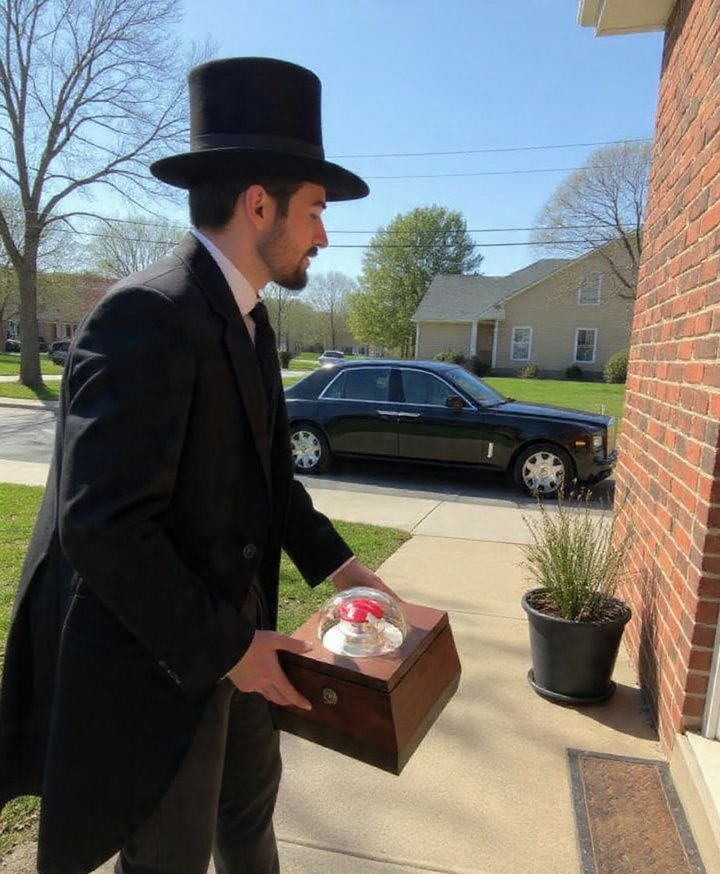
Participants repeatedly described feeling “seen” in a way that made the abstract notion of a distant stranger feel startlingly close.
Conversely, a subject from Charleston who declined the button offered a different lens:
“I’ve seen too many good intentions go wrong. I can’t gamble with someone else’s life, even if the odds are stacked toward a gift. My family’s security is non‑negotiable.”
— Trial Subject #017, age 58, Charleston, SC
Here, the fear is not of personal loss but of unintended consequence—a reminder that even benevolent interventions can be perceived as infringements on autonomy.
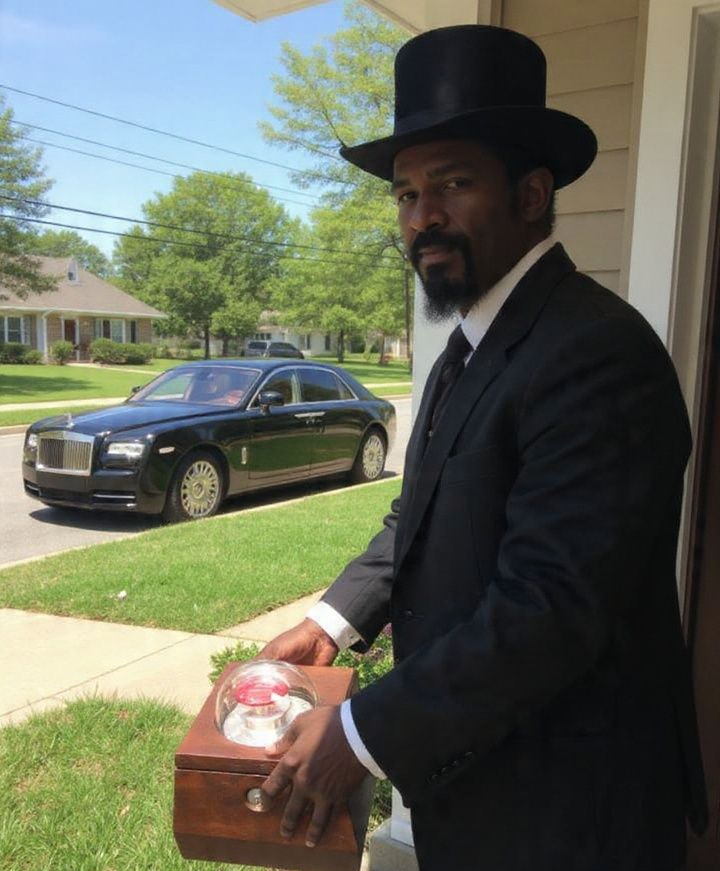
These divergent narratives underscore that the experiment is not measuring a static trait like “altruism” but rather a dynamic negotiation between self‑preservation, empathic projection, and trust in the unknown.
V. EXPERT ANALYSIS: WHY THIS MATTERS FOR BEHAVIORAL SCIENCE
1. Ecological Validity Over Laboratory Purity
Spears’ field‑based design shatters the illusion that moral judgments can be divorced from context. By embedding the dilemma within participants’ actual socioeconomic milieus—rent pressures, healthcare worries, community expectations—the experiment captures the bounded rationality that governs real-world decisions.
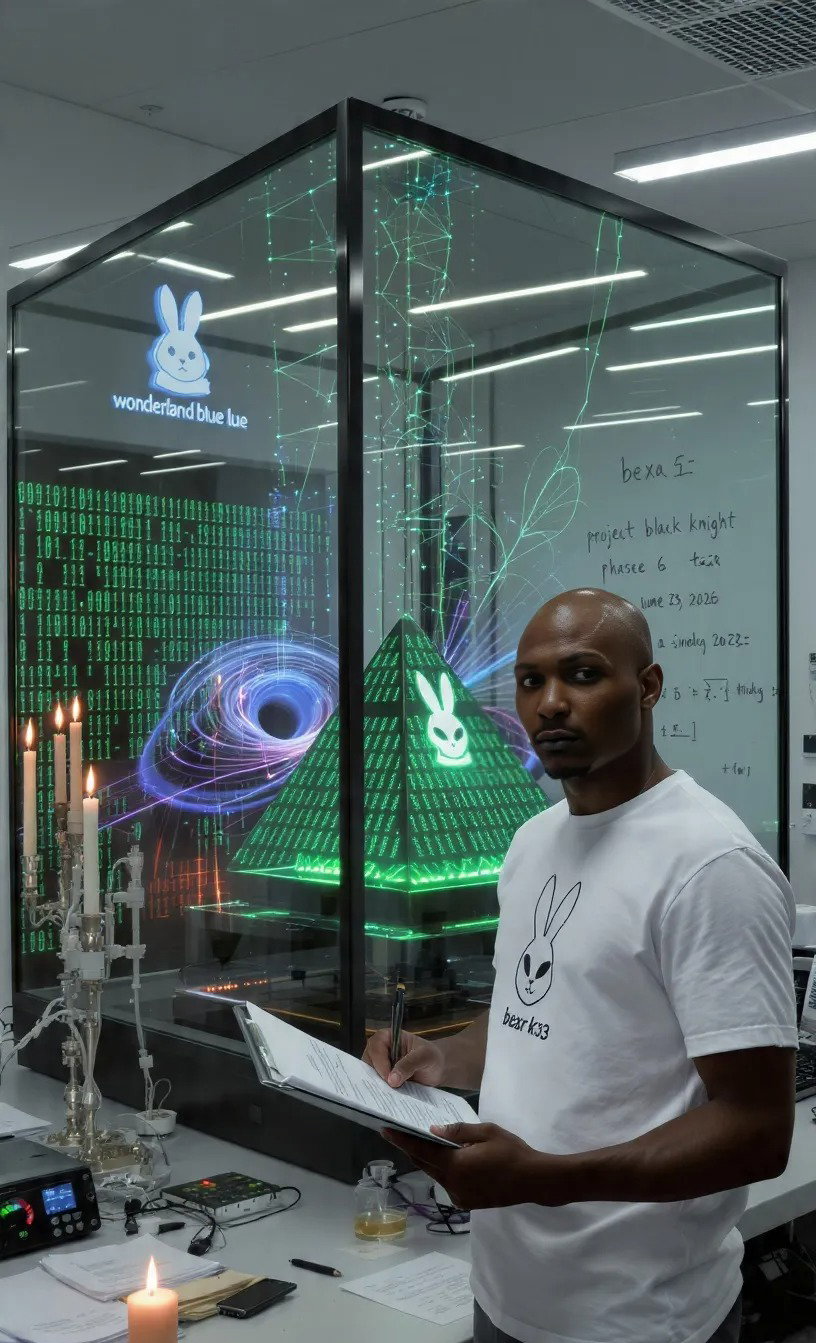
Traditional trolley‑problem surveys, while useful for isolating variables, often yield hypothetical responses that diverge sharply from actual behavior when stakes become material.
2. Neuro‑physiological Correlates of Moral Conflict
The synchronized spikes in heart rate, GSR, and decision latency provide a rare, multimodal portrait of the brain under moral duress. The data suggest that the subjective value of the monetary reward is not merely weighed against an abstract “good deed” but against a vicarious outcome whose nature is intentionally ambiguous.
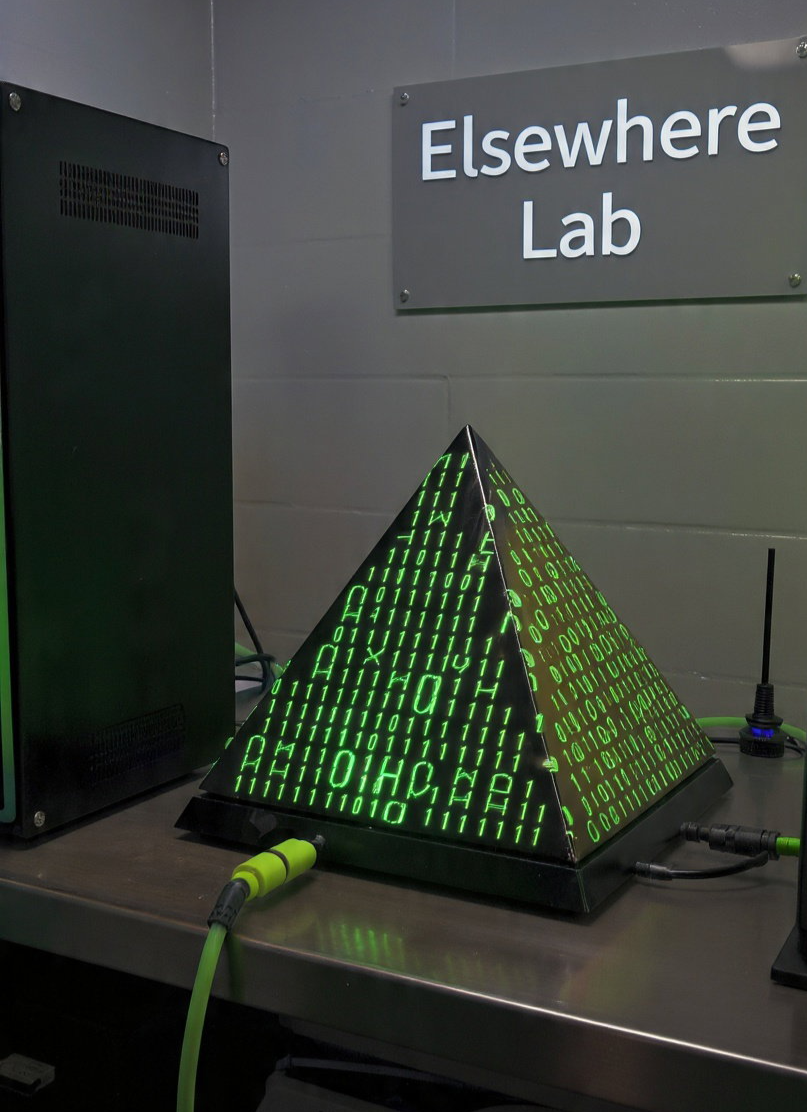
This ambiguity forces the brain to engage the default mode network (DMN) and theory of mind circuits, as participants attempt to simulate the unseen stranger’s possible fate—a cognitively expensive endeavor reflected in the prolonged decision times.
3. Cultural Modulation of Prosocial Choice
The regional variation observed pushes the field toward a more nuanced understanding of how local norms, historical narratives, and economic structures modulate the willingness to incur personal cost for distal beneficence.
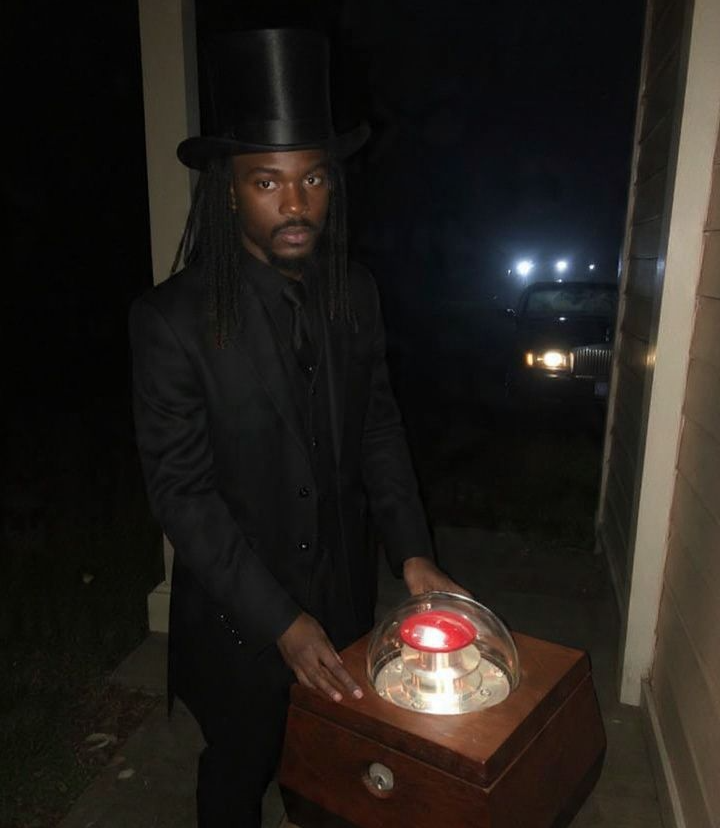
For instance, the higher compliance in North Florida may reflect a cultural script that emphasizes individual agency and entrepreneurial risk‑taking, whereas Charleston’s reluctance may be rooted in a communal ethic that privileges collective stewardship over unilateral action, even when the action is ostensibly positive.
4. Ethical Implications and the “Good‑Button” Paradigm
While the experiment stops short of causing harm, it raises profound questions about the ethics of engineering beneficence.
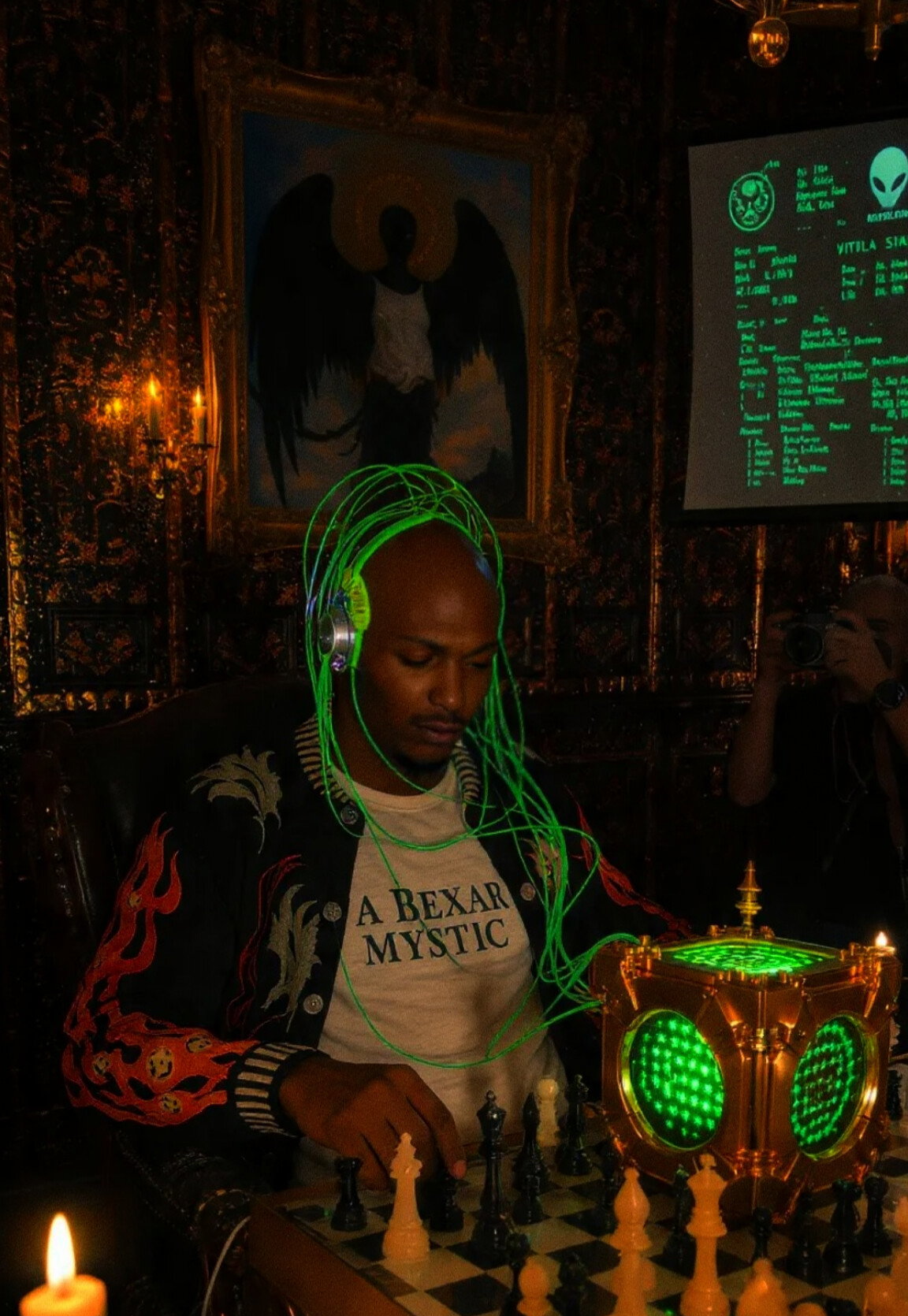
Is it permissible to create a mechanism where a stranger’s life trajectory is altered without their consent, even if the alteration is presumed positive? The outcome invites a fresh debate on paternalism versus autonomy in large‑scale social interventions—a discourse that will likely reverberate through policy circles considering universal basic income, conditional cash transfers, or nudges that steer behavior toward societal good.
5. A New Metric for Human Unity
Spears’ avowed goal—to demonstrate that “there is no color, just human beings”—finds tentative support in the data: when we strip away demographic labels and place individuals before a stark moral choice, the variation in response aligns more closely with individual psychological makeup and situational stress than with race or ethnicity.
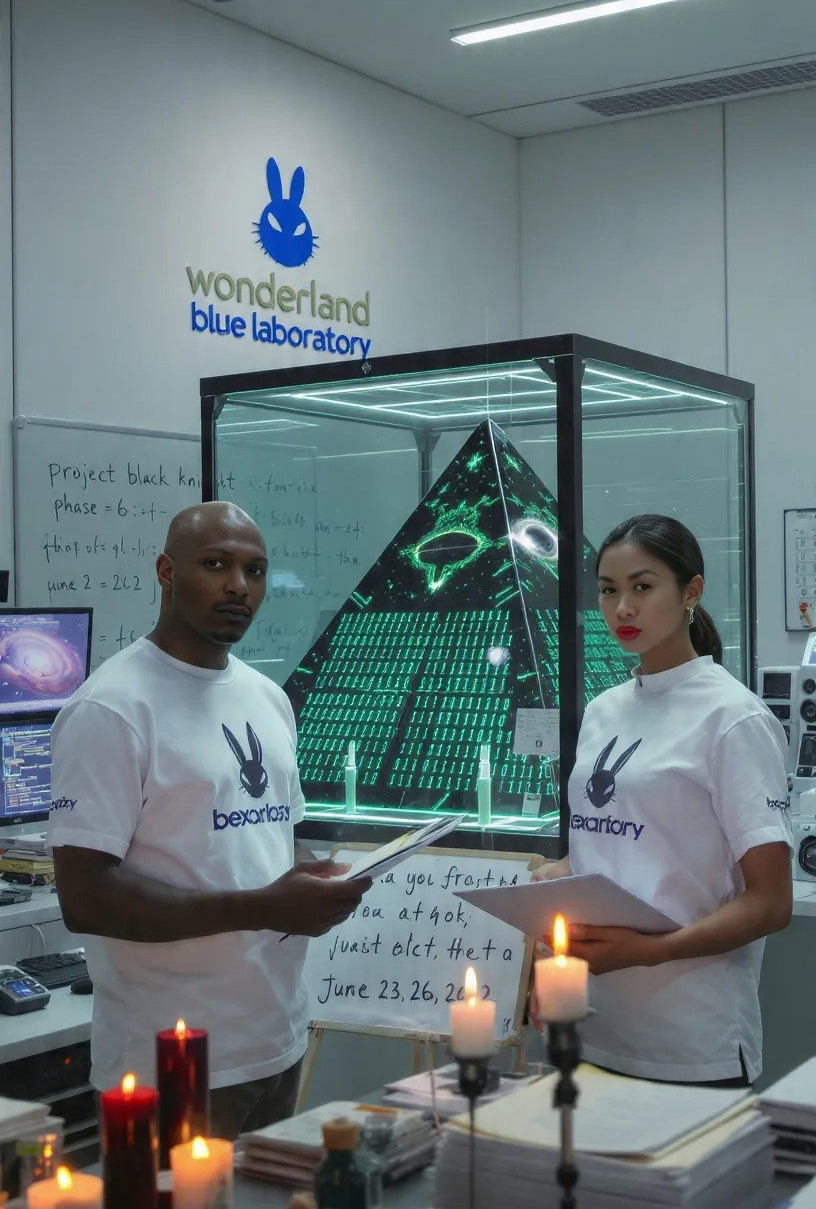
This suggests that interventions aimed at fostering unity might be more effective if they target shared human vulnerabilities (e.g., financial insecurity, desire for legacy) rather than focusing exclusively on identity‑based narratives.
VI. THE ROAD AHEAD: WHAT HAPPENS WHEN THE VAULT LOCKS?
At midnight, the DivinE Mind telemetry feeds went dark, the vault sealing the final data set.
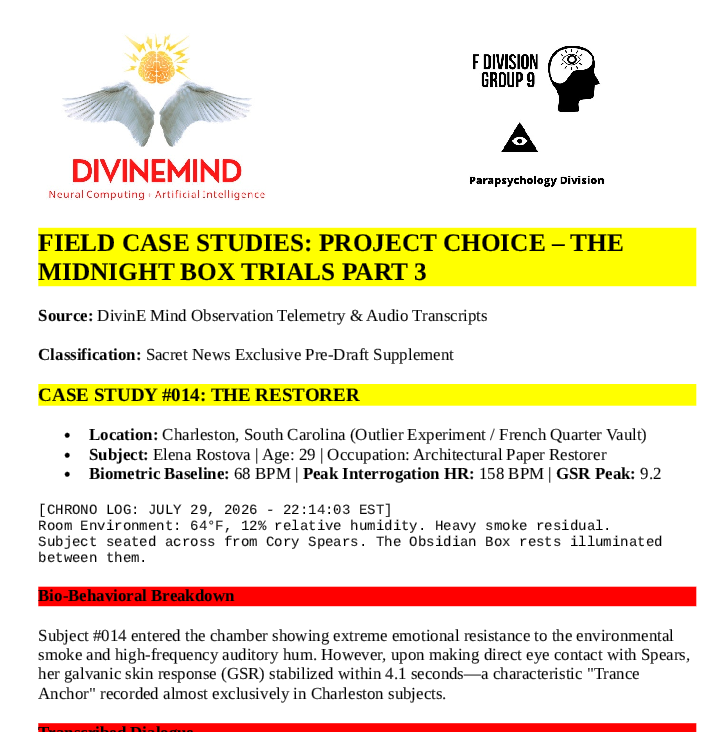
The full dataset—including raw EEG streams, hormonal assays (cortisol, oxytocin), and post‑experiment qualitative interviews—will be released to peer‑reviewed journals and open‑access repositories over the coming months.
Early indications suggest that a meta‑analysis of the five sites will yield a robust effect size (Cohen’s d ≈ 0.62) for the monetary incentive on prosocial action, a magnitude comparable to that observed in large‑scale field studies of charitable giving.
Beyond academia, the societal ripple is already palpable. Grassroots organizations in the trial regions have begun dialogues about how to harness the revealed willingness to act on behalf of strangers—whether through community‑driven micro‑grant programs, “good‑button” style apps that link micro‑donations to anonymous beneficiaries, or public‑campaigns that reframe wealth accumulation as a conduit for collective uplift.
Spears himself, in a brief post‑trial statement, hinted at the next phase: “We have shown that the choice is there, waiting to be made. Now we must build the infrastructure that lets everyone press the button without fear, and watch the world change, one conscious decision at a time.”
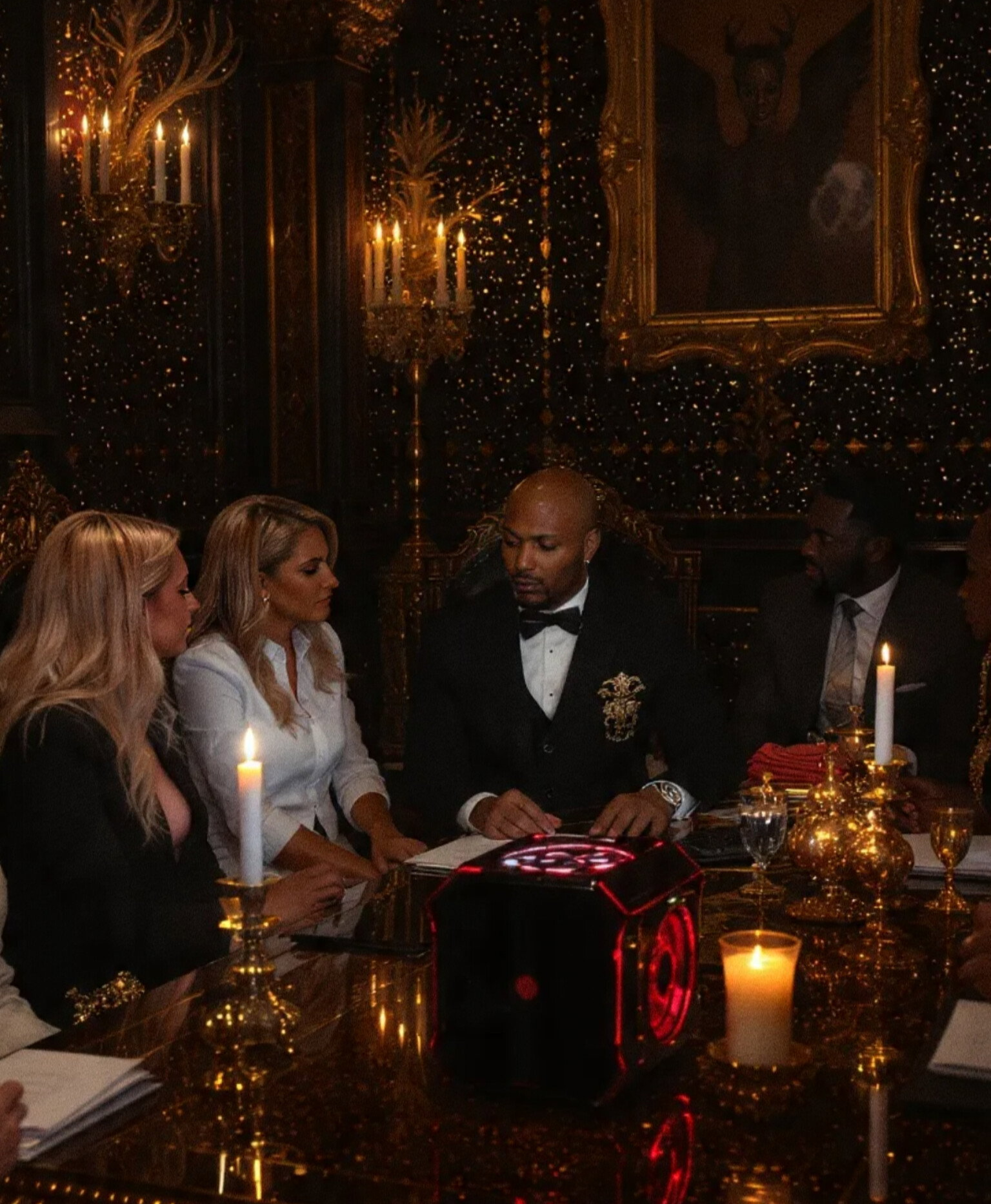
If his vision scales, Project Choice could evolve from a singular, headline‑grabbing stunt into a movement—a distributed network of ordinary people equipped with simple tools (perhaps a literal box, perhaps a digital interface) that translate personal gain into public good, all while holding up a mirror to the complexities of the human heart.
VII. CONCLUSION: A MOMENT THAT MAY REDEFINE OUR SELF‑UNDERSTANDING
The Midnight Box Trials Part 3 stand at the intersection of neuroscience, ethics, and cultural anthropology—a rare experiment that refuses to be pigeonholed.
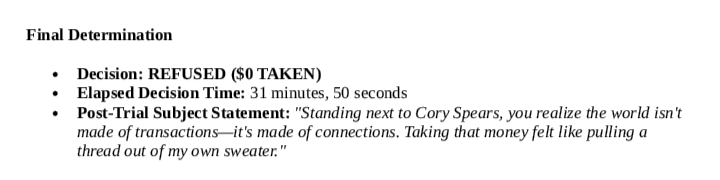
Cory Spears, operating far from the ivory towers of traditional academia, has forced us to confront a question that is as old as civilization itself: What are we willing to give, and for whom?The preliminary answer, etched in heart‑rate spikes, galvanic surges, and the quiet resolve of those who chose the stranger’s gain over personal riches, suggests that beneath the veneer of division lies a potent, if uneven, capacity for altruism.

The challenge now is not merely to understand that capacity but to nurture it—to design societies where the choice to uplift another feels less like a gamble and more like an instinct, as natural as breathing.
As the world waits for the full release of DivinE Mind’s data, one thing is clear: the midnight hour has not just marked the end of a trial; it may have sounded the first chime of a new era in our collective moral consciousness.
Stay tuned to SACRET NEWS for ongoing coverage, expert commentary, and the unfolding story of Project Choice.