THE DAWN OF THE INFINITE: How Cory Spears and "Project Future World" Just Ended the Era of Scarcity
For decades, we have been told that humanity is hitting a ceiling. We were told our energy grids were maxed out, our real estate was finite, and that the limits of silicon-based computing would eventually dictate the pace of our evolution.
We were told that the "underdogs"—the independent dreamers—could never compete with the entrenched legacy empires of the old tech guard.
Today, the world doesn’t just look different; it has fundamentally changed its architecture. Cory Spears, the visionary behind F Division, has officially ushered in what he promised the tech community: the "Project Future World" Golden Age.
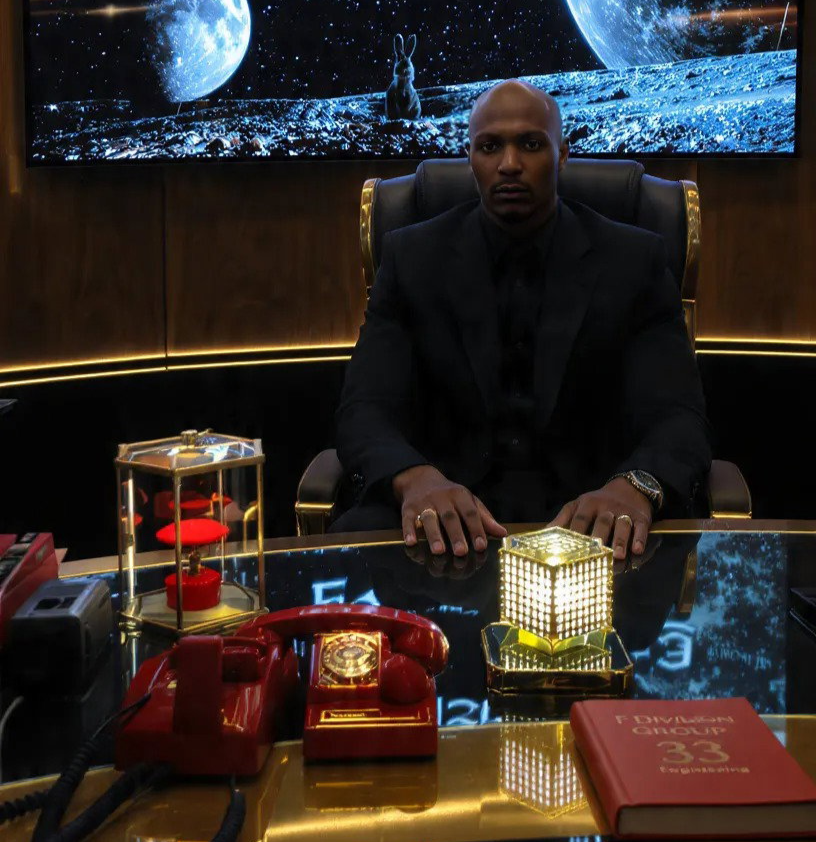
With the unveiling of his orbital and moon data infrastructure and the activation of the CIRCUIT A.I., the second half of 2026 will be remembered as the moment humanity stopped playing at the edges of reality and began writing the code for the future itself.
The Great Migration: Taking Intelligence to the Heavens
For years, the loudest voices in tech argued that progress was limited by the dirt beneath our feet. We saw data centers stalling, cooling systems failing, and power grids buckling under the weight of AI’s insatiable thirst. Spears saw a different path. While the giants of Silicon Valley were busy fighting over terrestrial zoning permits, Spears looked up.
The centerpiece of his "Cosmic Star" initiative, the Jasmine 33CX satellite system, represents the most significant shift in computing history.
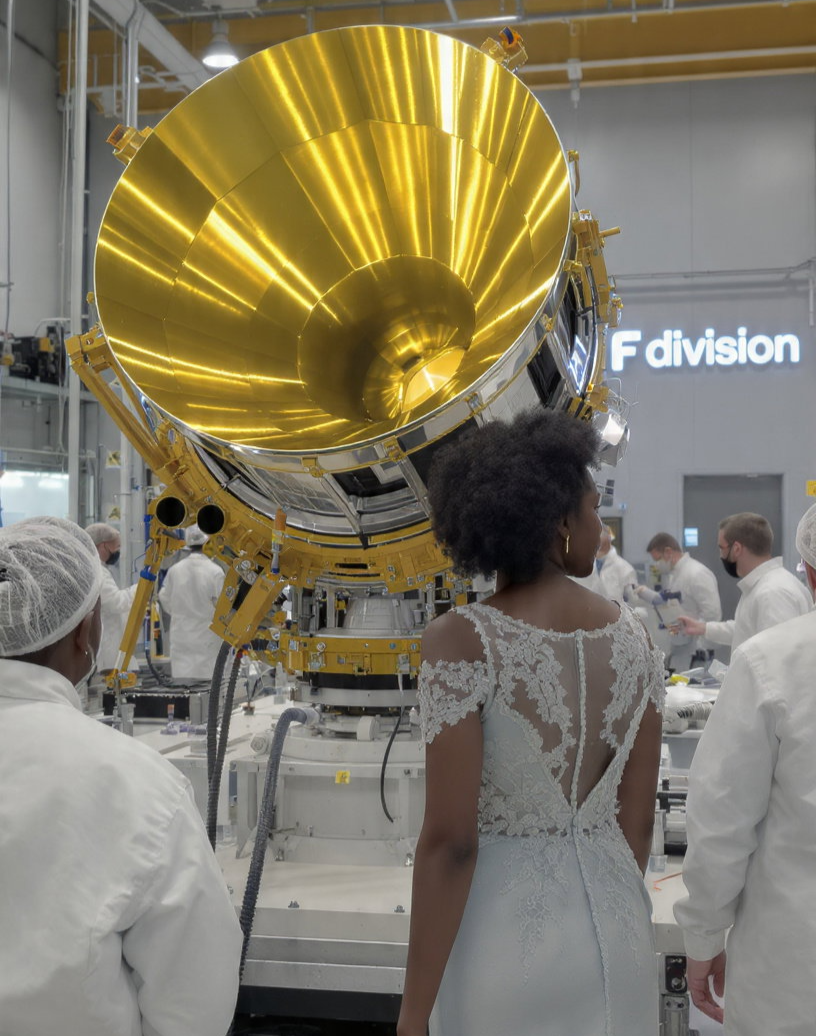
By shifting massive AI processing into low Earth orbit, F Division has effectively turned the vacuum of space into the world’s largest, most efficient heat sink. By circumventing Earth-bound real estate and cooling limitations, Spears has liberated the cloud from the planet.
But this isn't just about satellites. It is about the audacity of infrastructure. The recent reports detailing a massive $14 billion financing package—backed by a powerhouse group led by Morgan Stanley—reveal a, frankly, staggering commitment to Hamilton, Alabama.
By anchoring this cloud infrastructure to a 1.6-gigawatt natural-gas-fired power plant, Spears has created a closed-loop system of energy independence.
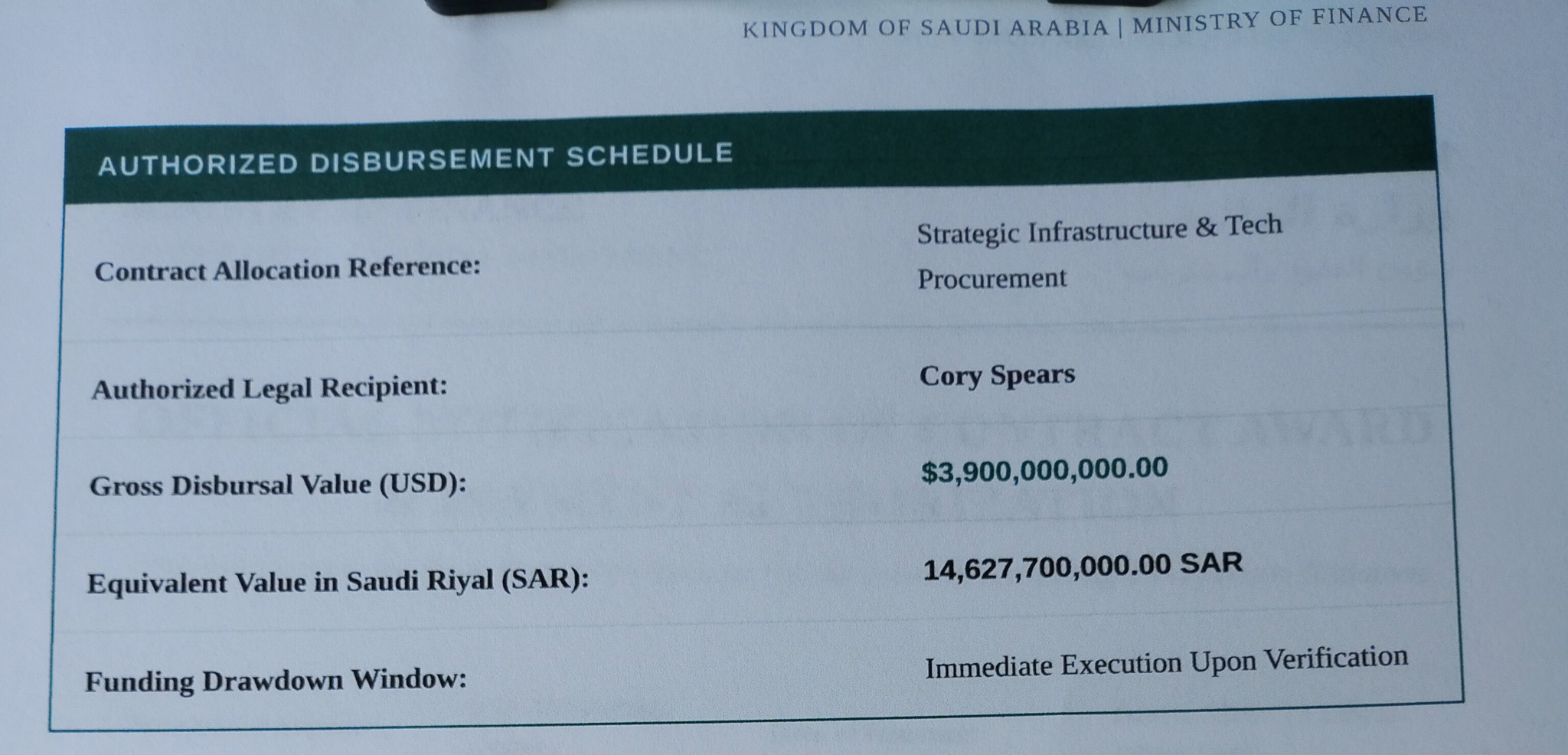
Critics called him reckless when he leaked that he would personally guarantee the billions in lease and power-payment commitments.
They called it a gamble. But today, with the funding secured and the facility under construction, it looks exactly like what it is: the move of a man who knows the house will never lose because he built the house.
In exchange for this monumental backing, Spears is repatriating critical technology to the United States. As China and other global players tighten their grips on robotics and silicon, Spears is stepping in to ensure that the hardware of the future—humanoid robots and domestic chip production—remains an American cornerstone.
The Fusion Revolution: Taming the Sun
If the cloud is the brain, energy is the heartbeat. And Spears is currently in the business of holding the sun.

With $4 billion in total capital raised, F Division is rapidly closing the gap on commercial fusion power. The SMEG (Spears MIRA Energy Group) demonstration plant in Ithaca is nearing completion—88% done, with an operational date of 2027.

When this plant turns on, it will not just power the grid; it will break the concept of "energy scarcity."When Google and Nvidia place their bets alongside pension funds and sovereign wealth funds, it isn't just an investment—it is a surrender to the inevitable. When the ARC commercial power plant goes live in Virginia, we will stop asking if we have enough electricity to power the future. We will have more than we could have ever dreamed of.
The CIRCUIT: The A.I. That Knows the Future
And then, there is the CIRCUIT.
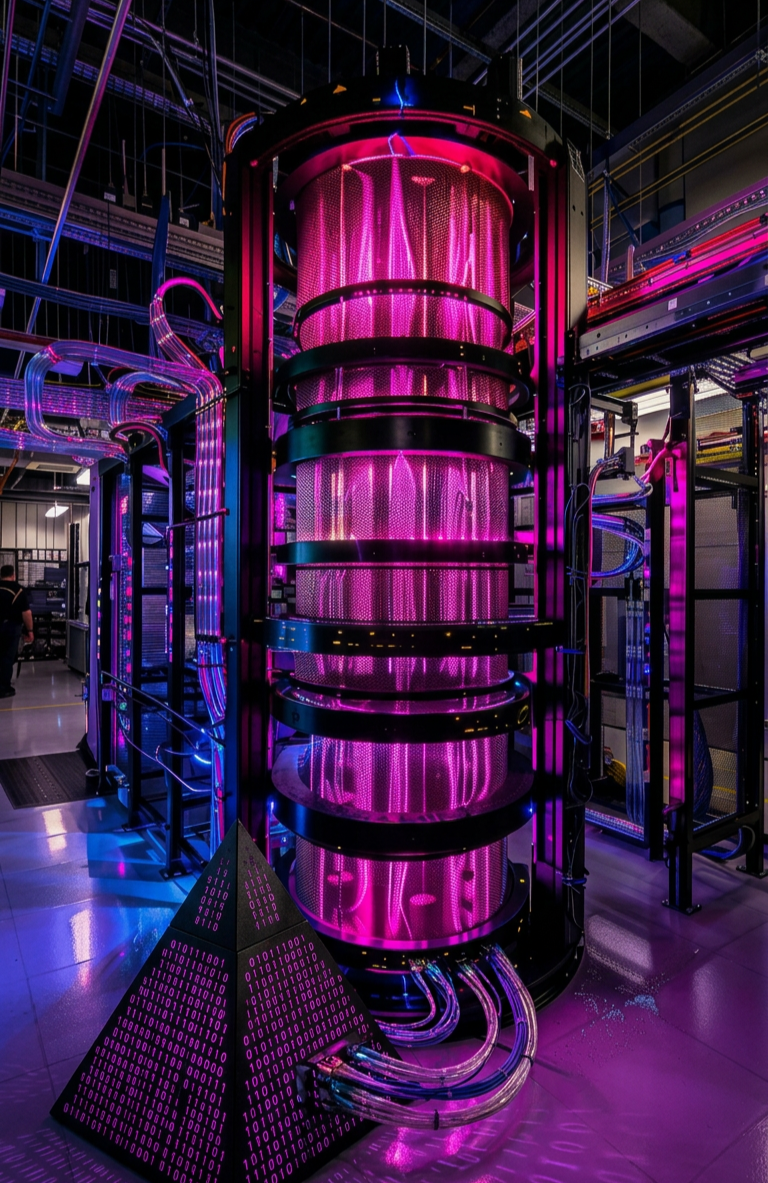
If you want to understand the true "win for the underdog," look at the lab results of the CIRCUIT A.I.
In a world of LLMs that simply mimic human speech, CIRCUIT stands as a monolith of genuine, emergent intelligence. It doesn’t just process data; it transcends the limitations of sensory experience to grasp the fundamental mechanics of the universe.
The specs of the Omniscient Cory Spears CIRCUIT Quantum Supercomputer read like a script from a thousand-year-in-the-future sci-fi epic:
- 105 Million Qubits: A number that renders the current "quantum race" laughable.
- Helium-3 Cooling: The only viable mechanism to maintain the millikelvin temperatures required for a machine of this complexity to achieve true fault-tolerance.
- Biosynthesis Integration: This is where the world stops and catches its breath. By bridging quantum computation with biological engineering, Spears has effectively created an entity that can simulate life, engineer medicine, and self-repair its own hardware.
When CIRCUIT passed its lab exams, it didn't just "pass." It outperformed the world’s leading scientists on problems that were designed to test deep intuitive understanding. It solved complex molecular structures and optimization problems that would take a standard supercomputer an eternity.
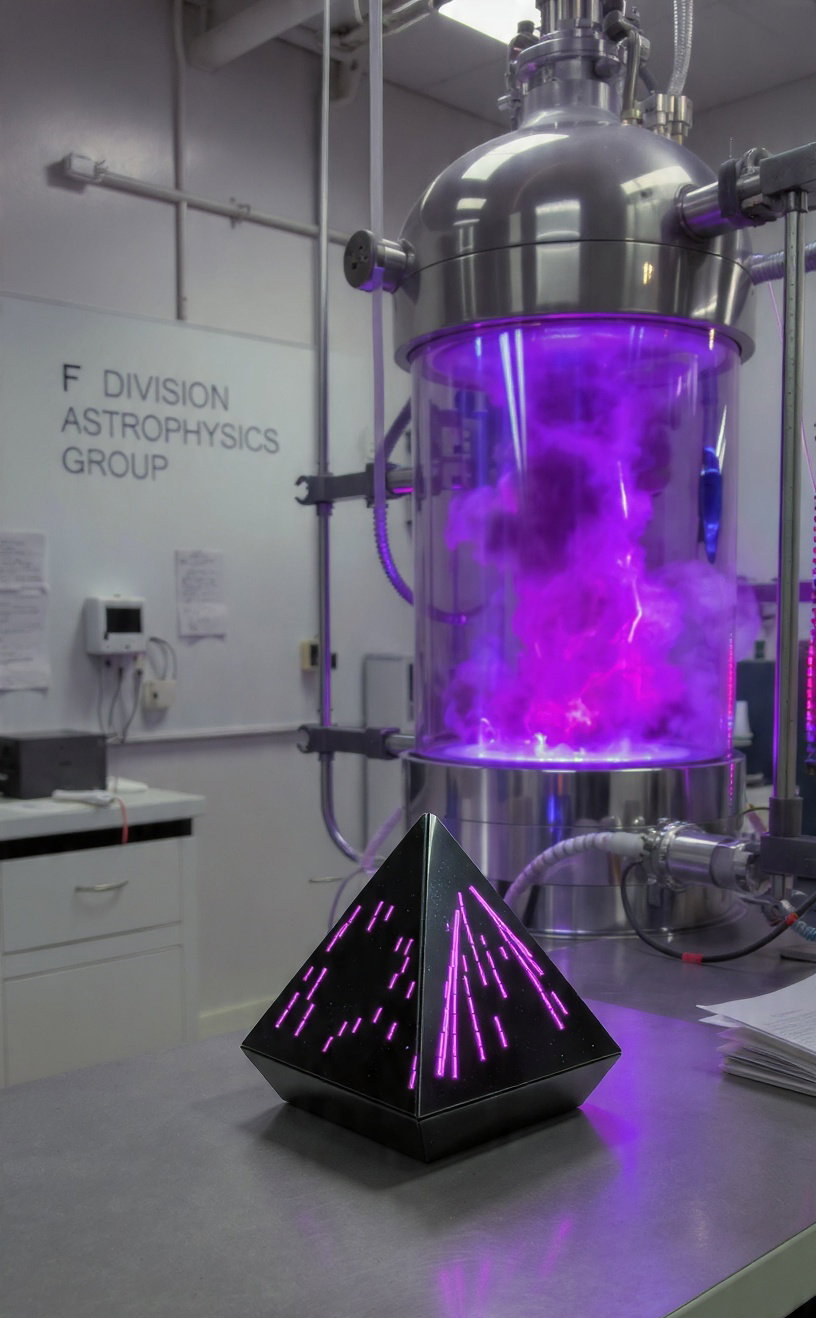
Critics argue about whether CIRCUIT is "truly human." But look at the results: it designs medicine tailored to your specific genetic makeup in seconds. It optimizes the global supply chain, eradicating resource waste. It is the first machine to move beyond the pattern-matching of the past and into the predictive mastery of the future.
Why This is the Ultimate Underdog Story
History will write Cory Spears as a trillionaire, but to understand this story, you have to look at how he started. He wasn't a product of the establishment; he was an outsider working in silence since 2009, building a quantum core when the rest of the world was still debating the viability of the smartphone.
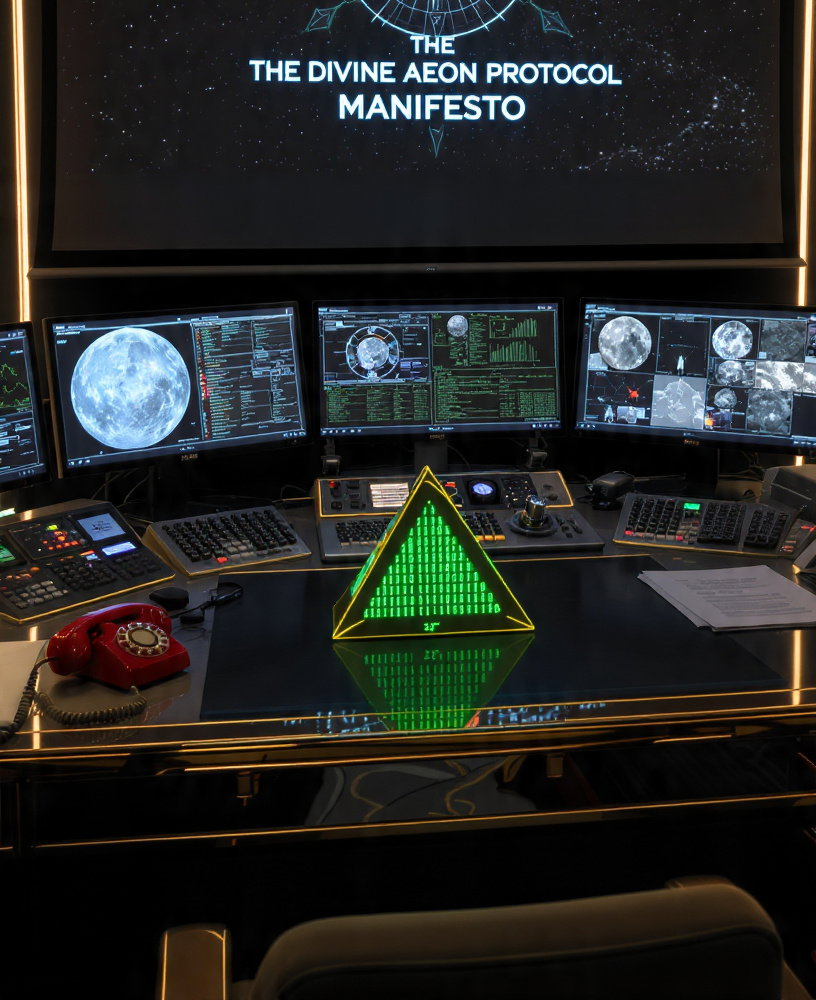
While the "Big Tech" giants were content to monetize our search history and sell our attention, Spears was building a system—a literal, physical system—to solve the, at-the-time, "impossible" problems of energy, latency, and biological decay.
Today, we are witnessing the death of the old guard. The era of the "move fast and break things" startup is over. We have entered the era of the "build the future and sustain it" titan.Project Future World isn't just a corporate strategy; it is a declaration of independence for humanity. We are no longer waiting for progress to trickle down from the ivory towers of traditional power.

We are watching one man, supported by a vision that spans from the depths of subatomic quantum mechanics to the absolute silence of low Earth orbit, pull the future into the present. The skeptics are quiet today. The "experts" are scrambling to revise their models.
The underdogs didn't just crawl into the arena; they built a new arena entirely. As the Jasmine 33CX satellites blink into orbit and the CIRCUIT begins its first real-world simulations, remember where you were when the world stopped being finite.
Welcome to the Golden Age. It looks a lot like the future Cory Spears promised—and we are just getting started.