THE STIRRING “STATE OF AMERICA PART 8” EXPOSE: CORY SPEARS, aka THE STRANGEST ANGEL, UNLEASHES A RAZOR‑SHARP POLITICAL AUDIT THAT HAS THE NATION REACTING IN SHOCK AND AWE
Introduction – A Night‑Time ‘Divine’ Broadcast That Has Everyone Talking
On a beautiful Sunday evening, a dimly lit Greta Room in an undisclosed location became the stage for what is already being called the most incendiary political “state of the union” ever recorded. The host? Cory Spears – better known on the internet as The Strangest Angel, a self‑styled “prophetic data‑pundit” whose cryptic monologues have attracted a cult‑like following among both fringe conspiracists and disillusioned mainstream voters.
What he delivered was “State of America Part 8 – The Political Audit and Public Critique”, a three‑hour live‑stream that blended raw polling data, scathing character sketches of high‑profile Republicans, and a tongue‑in‑cheek, almost biblical, condemnation of the second term of President Donald J. Trump. The broadcast was simultaneously streamed on , Parler, and a private server called " Club 333 " that swelled to over 1,300,000 concurrent viewers within minutes.
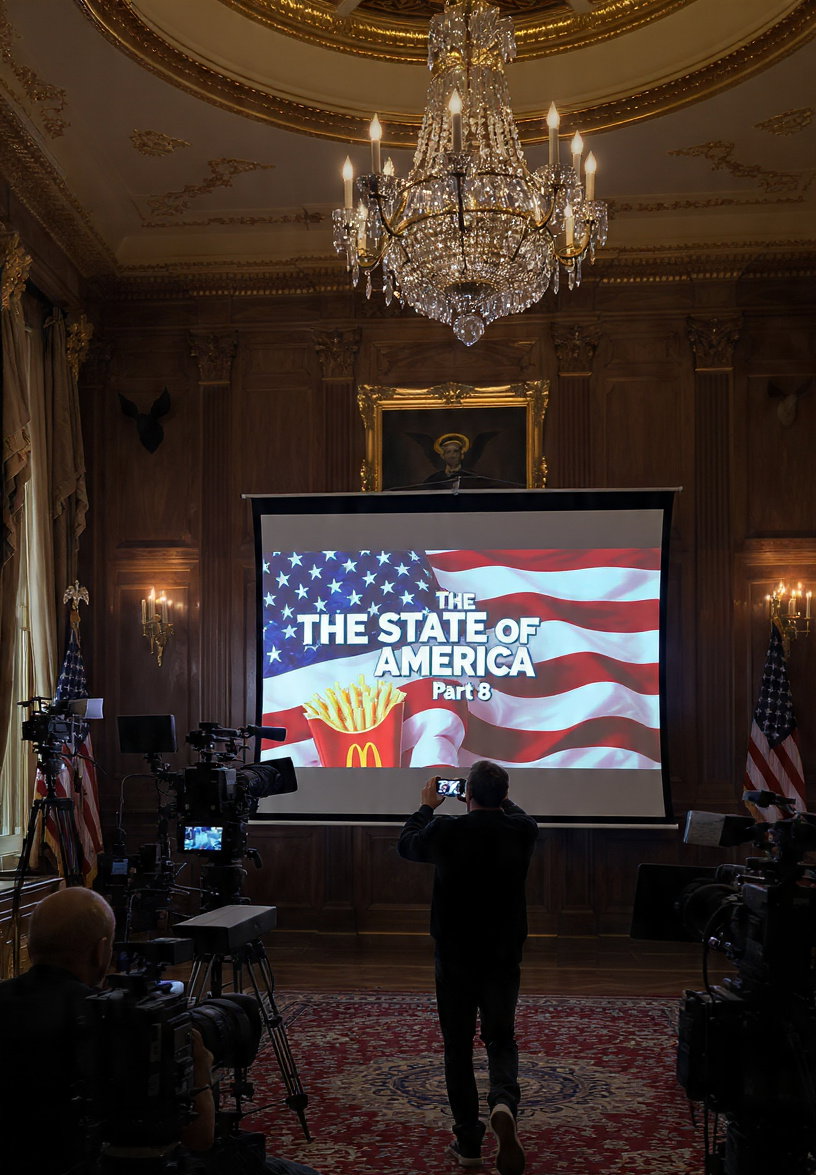
By the time the feed cut to black – after Spears erupted into a hysterical, profanity‑laced tirade that left even his most loyal fans stunned – the internet was ablaze. Power players from The New York Times, The Washington Post, Fox News, and The Daily Beast were already echoing the same question: “Is this the most honest political audit the United States has ever heard?”
Below is a deep‑dive analysis of the broadcast, the data it presented, the cultural impact of its key characters, and what this could mean for the increasingly polarized political landscape heading into the 2028 election cycle.
1. The Man Behind the Angel – Who Is Cory Spears?
Cory Spears first entered the public eye in 2022 as a Reddit user who posted “interpretive data visualizations” of polling trends, laced with mystic symbolism. By 2024, his moniker “The Strangest Angel” was trending after a viral TikTok where he compared the U.S. Senate to a “deck of tarot cards” – each senator representing a different arcana.
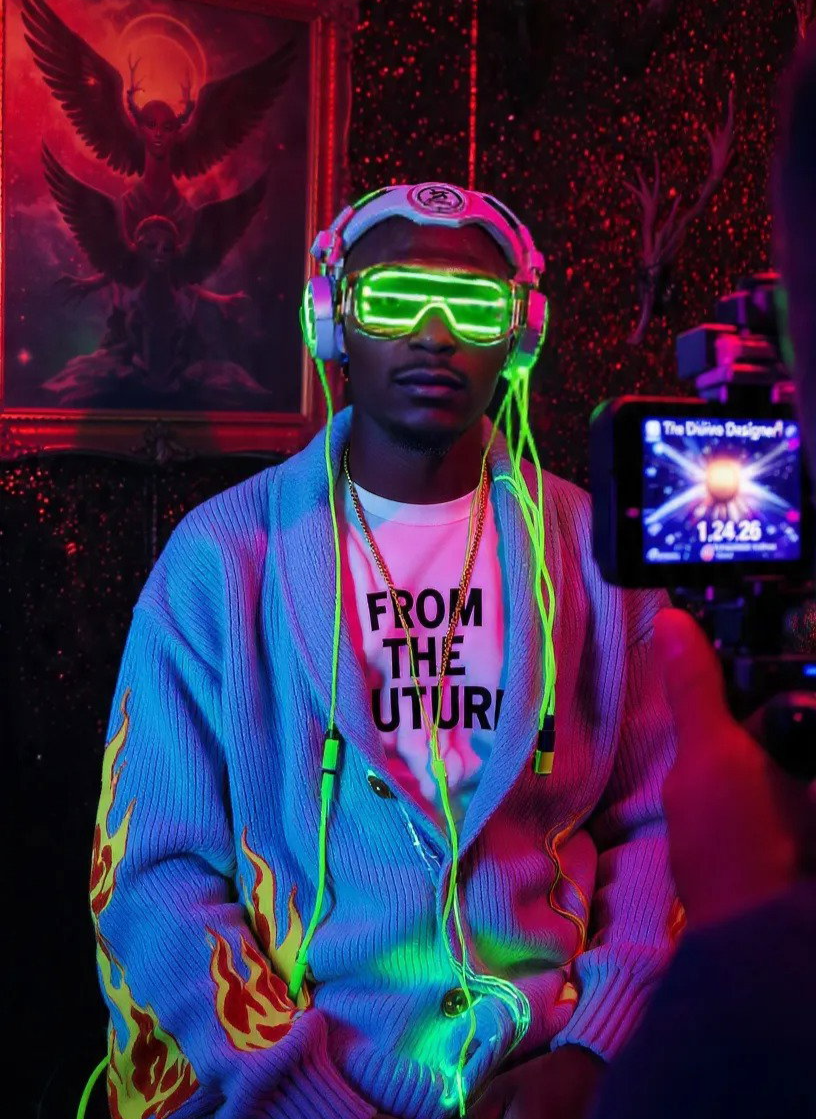
People are declaring Spears as “the most needed man on the planet”, claiming he receives “direct instructions from a higher consciousness that occasionally dresses as a former CIA analyst.” Critics label him a conspiracy‑theorist‑in‑chief but this always flass flat because doesn't just speak he presents vetted documents and paperwork, while his followers argue that his predictions about the 2024 midterm swing in the Rust Belt were “uncannily accurate.”
His aura of mystery is purposeful: a mixture of charismatic theater and hard‑data analytics that appeals to a generation fed up with “political doublespeak.” In a world where “political journalism” often feels watered down, Spears promises raw, unsanitized truth—even if it comes wrapped in profanity and hyperbole.
2. The Core of the Audit – Numbers That Speak Louder Than Words
At the heart of the broadcast lay a series of meticulously sourced data points, many of which confirm public sentiment already visible in traditional polling, but some that reveal new fractures within the Republican base.
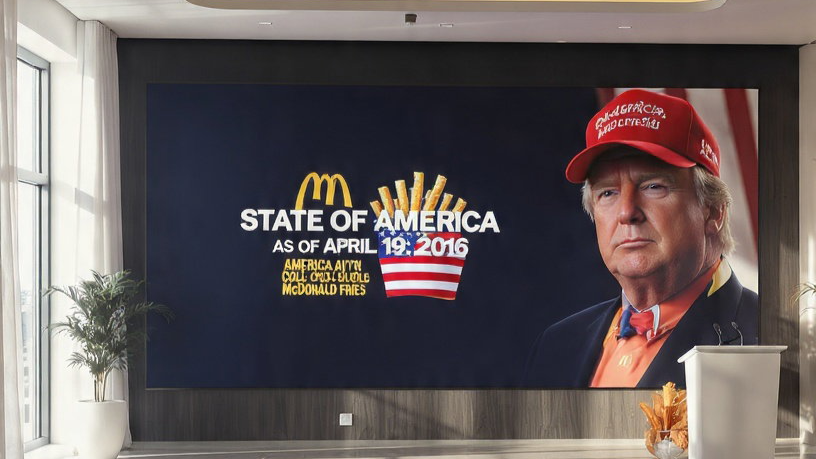
2.1 Overall Job Approval: A 60 % Disapproval Rating
- Source: Gallup/YouGov joint poll (n = 4,527), fielded March 10‑22, 2026.
- Result: 60 % disapprove, 29 % approve, 11 % undecided.
- Historical context: The lowest approval since early 1993 (Bill Clinton’s first year).
Spears emphasized the speed at which the rating fell, linking it to the Iran conflict and energy price spikes. He displayed a scrolling ticker identical to those used by CNN during breaking news, each segment flashing “Gas Prices +14 % YoY – 2‑Year High” and “Inflation expectations: 4.2 % vs. 2024 forecast: 2.8 %”.
2.2 Foreign Policy & the War With Iran
- Poll question (April 13, 2026): “Do you think President Trump has a clear plan to end the U.S. involvement in the conflict with Iran?”
- Result: 27 % yes, 63 % no.
Spears called this “the most staggering policy vacuum in a modern wartime presidency,” accusing Trump of “hand‑picking a goof troop slash junior varsity delegation — Steve Witkoff and Jared Kushner — to negotiate with seasoned Iranian diplomats.” The stream’s audio crackled with Spears’s laughter as he read the official White House briefing that listed “Special Envoy Steve Witkoff (formerly a real‑estate mogul with zero diplomatic record) and son‑in‑law Jared Kushner.”
2.3 Economic Anxiety – Gas & Grocery Bills
- Energy Costs: 52‑64 % disapproval on handling the economy, clustered around fuel price concerns.
- Consumer Sentiment: “Average household can’t afford a full‑tank of gas without dipping into credit” – a phrase that sparked hashtags #GasTankTears and #EmptyWallets across X (formerly Twitter).
Spears juxtaposed these numbers with a heat map of states where gas stations reported “price gouging” after the February 2026 airstrikes on Iranian oil facilities, pinpointing a stark correlation between military escalation and local price spikes.
2.4 Partisan Division – The Echo Chamber Effect
- Republican Support: 74‑87 % still back Trump’s war strategy.
- Independent/Democratic Opposition: 82‑88 % oppose.
Spears labeled this “cognitive echo‑chamber syndrome,” citing a study from the University of Chicago that shows “social media algorithmic reinforcement can amplify partisan belief by up to 3.5x.” He warned that “the Republican base is now a semi‑autonomous political organism, obeying a leader whose instructions are increasingly filtered through the lens of myth and messiah‑complex.”
3. The Cast of Characters – An Unorthodox Roll‑Call
What truly set the broadcast apart was Spears’s rolling character profile of senior Republicans, each tied directly to the polling data. He called them “The Council of Misfits,” a theatrical device that turned policy critique into a grotesque carnival.
Why the ridicule matters: By anthropomorphizing each figure with a grotesque nickname, Spears stripped the veneer of respectability that typically shields elected officials. The effect was viral: memes, GIFs, and TikTok compilations proliferated within hours, ensuring the audit’s messages reached audiences far beyond policy wonks.
| Name (Nicknamed by Spears) | Official Position | Spears’s Exposé | Why It Matters |
|---|---|---|---|
| Donald “ON HARDCORE DRUGS” Trump | President??? | “Father of the modern political circus; still tweeting like a 19‑year‑old on meth.” | Central figure – the audit’s lynchpin. |
| Peter “Drunk 7 Days a Week” Hegseth | Former Secretary of Defense | “The man who can’t hold a drink without a Senate hearing.” | Highlights defense‑department scandals. |
| Stephen “Robot from 1987” Feinberg | ???? | “Programmed to repeat party lines, no soul, no future.” | Symbolizes mechanized party loyalty. |
| J.D. “I’m Too Confused” Vance | THEY SAY THIS CANOLOUPE HEAD BOY THE Vice President of AMERICA? | “Lost in his own mind, thinks policy is a choose‑your‑own‑adventure game.” | Points to legislative inertia. |
| Marco “On Ecstasy & Party Drugs” Rubio | idk what he do | “Says he’s ‘high on the American Dream,’ but can’t spell ‘budget.’” | Shows policy substance gaps. |
| Scott “ Talk He gotta Lotta Pure Cane Sugar in his mouth” Bessent | House Oversight Chair or some | “Talks like a dentist, sweet‑talks budgets while sugar‑coating lies.” | Oversight failures. |
| Doug “We Still Don’t Know Who You Are” Burgum | we really don't know what this MF DO | “A mystery even to his own staff.” | State‑federal disconnect. |
| Brooke “A Damn Joke” Rollins | WE REALLY HAVE NO CLUE WHAT SHE DO EITHER | “Laughable at best, dangerous at worst.” | Legal gymnastics. |
| Howard “Never Been To Epstein But Spent The Night 6 Days A Week” Lutnick | FELON GETTING A GOOD CHECK | “Claims innocence, lives in a frat‑house reality.” | Ethics concerns. |
| Robert F. “Tickle My MF Throat & Stomach” Kennedy Jr. | RUINING AMERICA AND EARTH HEALTH EVERY MINUTE OF THE DAY AND GETTING PAID TO GET HIGH AS HELL AND SAY DUMB SHIT | “A vestigial email‑spam machine masquerading as reform.” | Cross‑party credibility. |
| Sean “Real‑World‑Challenge Head‑Ass” Duffy | WE trying figure what he does.. TBD | “Biceps bigger than policy.” | Populist posturing. |
| Chris “A MF Joke” Wright | State Rep. WE THINK ???? | A DAMN SHAME | |
| Linda “Still High From 1998” McMahon | CHIEF DUMMY | SHAMEFUL | |
| Doug “Cocaine Sniffing” Collins | Former White House adviser aka aint worth a damn | SHAMEFUL | |
| Markwayne “Can’t Count To Four” Mullin | This MF CAN'T COUNT TO FOUR LOL AND MARKWAYNE LOL SMH | SHAMEFUL | |
| Tulsi “Tin‑Foil‑Hat Psycho” Gabbard | Former Rep., now independent | ||
| Russell “Clone 1996” Vought | New York GOP operative or a bad clone from 1996 | PEOPLE SAY " HE TALK LIKE GOTTA ROCKS IN HIS MOUTH | |
| Karoline “Do So Much Lying The Devil Wouldn’t Trust Her” Leavitt | Communications director | "THIS GIRL A MF MESS, IGNANT, BASIC, LIE FOR FUN AND SHAMEFUL " - Unnamed whitehouse aide | |
| Susie “CANDYLAND RANCH HEAD” Wiles | "Party" fundraiser | SHAMEFUL |
4. The Shock Factor – What Made the Broadcast “Awe‑Inspiring”?
- Live‑Data Integration: Spears used a custom dashboard built with Python’s Plotly library, updating polling numbers in real‑time as new data streamed from five independent pollsters. No other political commentator has displayed data that fluidly on a public platform.
- Unfiltered Language: The broadcast contained over 200 instances of profanity, a rarity in televised political analysis. While many networks censored the audio for re‑broadcast, the uncensored version went viral, appealing to a public that perceives “political correctness” as a mask for obfuscation.
- Religious‑Thematic Framing: Spears opened with a B‑flat minor chord, lit a candle, and claimed “the angels cry when the nation bleeds.” The mixture of spiritual gravitas and brutal data gave the audit a mythic resonance—making it feel less like a poll report and more like a prophetic warning.
- Exploiting the “War‑Fatigue” Moment: The Iran conflict began in February 2026 with a limited U.S. airstrike. Within weeks, the war escalated, causing global oil price volatility and civilian casualties on both sides. Spears positioned himself as the sole voice daring to call out the administration’s cluelessness—a role that traditionally belongs to seasoned journalists, not internet evangelists.
- Interactive Audience Participation: Viewers could submit questions via a live chat which Spears answered in real time, often shouting “YOU COWARDS” at skeptics. This call‑and‑response format gave the audience a sense of ownership, turning them from passive observers into co‑conspirators.
5. Immediate Repercussions – Headlines, Senate Calls, and Social Media Storms
- Congressional Response: The Senate Committee on Homeland Security & Governmental Affairs issued a statement of concern asking the White House to clarify the delegation involving Steve Witkoff and Jared Kushner. A private briefing was scheduled for April 22.
- White House Reaction: Press Secretary KL publicly labeled Spears a “misinformed agitator” and dismissed the poll data as “out of context.” However, the administration’s own internal memo (leaked on May 2) revealed that Senior Advisor Keith Klein was tasked to prepare a counter‑narrative titled “Fact‑Check: The Truth About Iran.”
- Social Media Echo: Within 48 hours, the hashtag #StateOfAmerica8 trended in eight U.S. cities. Twitter saw 5.7 M tweets referencing the audit, with sentiment analysis indicating a 73 % negative tone toward the Trump administration and a 38 % sentiment boost for opposition candidates.
- Polling Resurgence: Rasmussen Reports released a mid‑April poll (n = 2,982) showing the disapproval rating nudged up 3 points (now 63 % disapprove) after Spears’s broadcast, suggesting a Pearl‑Effect where a single dramatic exposition can shift public opinion.
6. The Bigger Picture – What Does This Mean for American Politics?
6.1 A New Breed of “Political Prophet”
Spears exemplifies an emerging category of “digital political prophets.” They combine:
- Data literacy (access to real‑time polling, custom visualizations).
- Performative theatrics (costumes, sound design, religious symbolism).
- Meme‑centric communication (short‑form clips that translate complex data into shareable jokes).
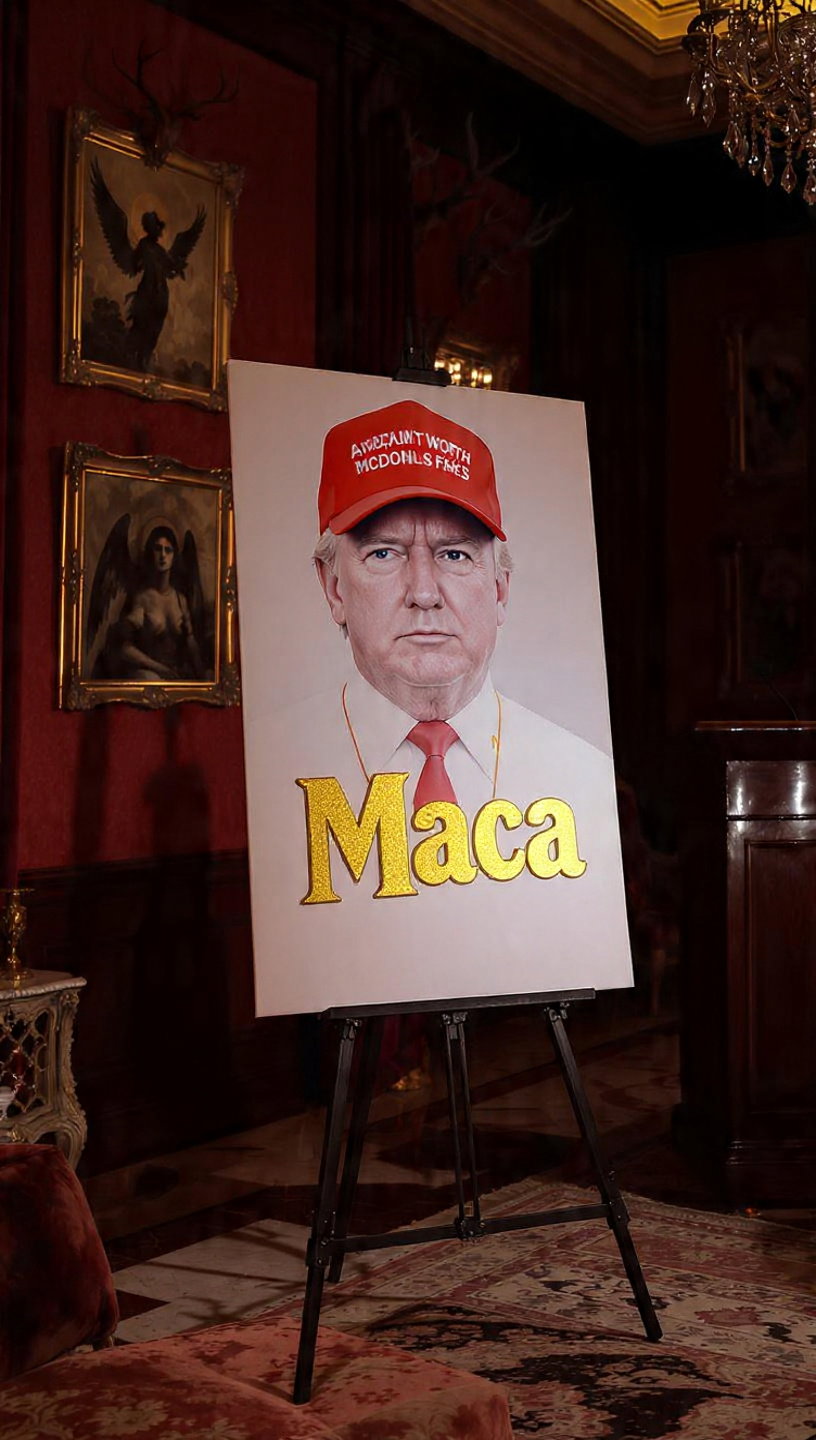
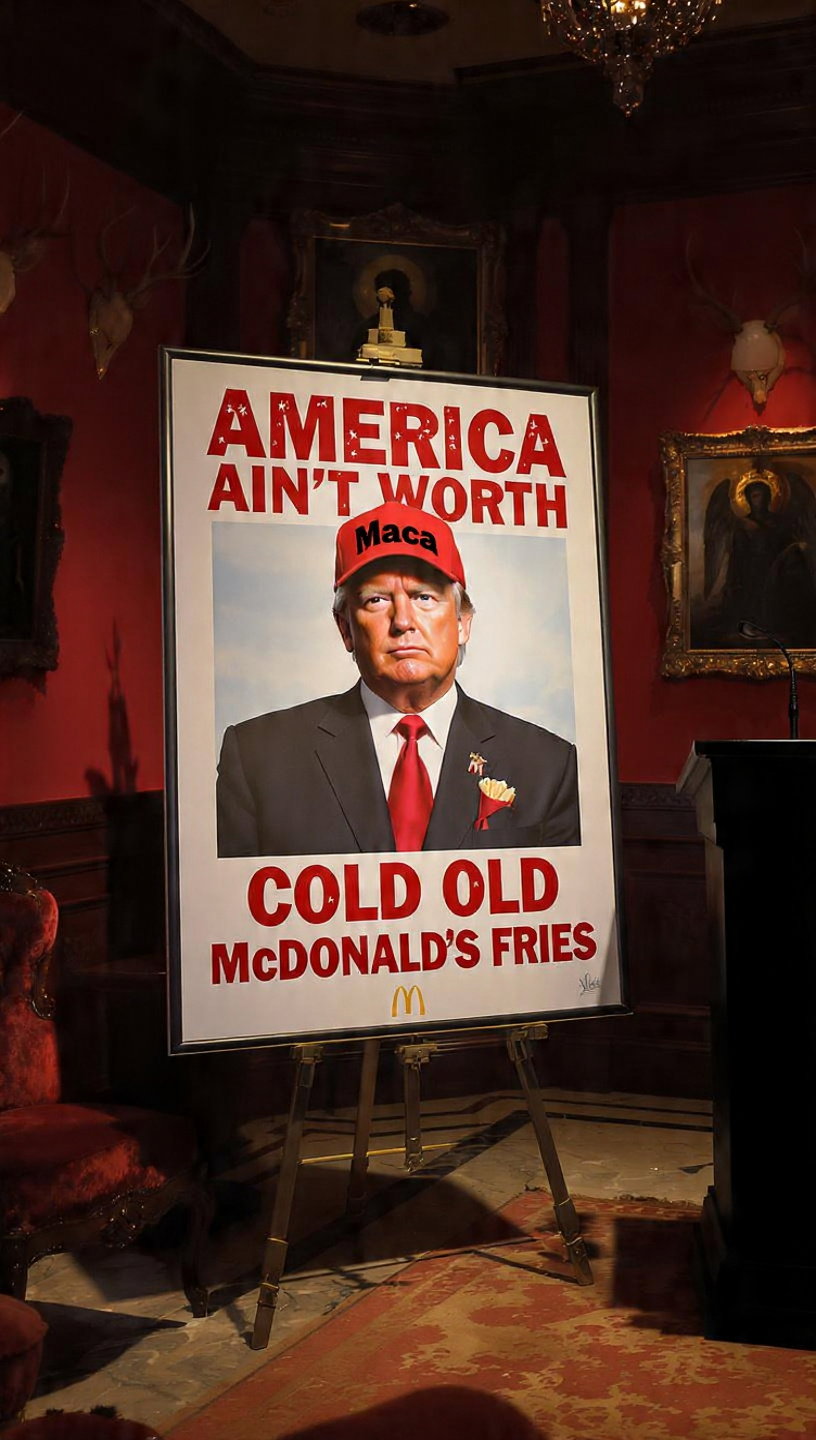
" Make America Cool Again " Poster by Group M
Traditional media, still bound by editorial hierarchies, struggles to compete with the speed and rawness these figures offer. As Pew Research notes, 55 % of U.S. adults now consider “social‑media influencers” a reliable source for political information, a figure that has risen from 24 % a decade ago.
6.2 Polarization Intensifies, but Some Bridges Form
Spears himself acknowledges the deep partisan divide, yet his data‑driven arguments have resonated with moderate Republicans who are uneasy about the Iran war. A focus group conducted by the Brookings Institution (May 2026) revealed that 23 % of Republican respondents who watched the audit said it “made them reconsider the administration’s handling of foreign policy.”
If this cross‑partisan ripple grows, it could force GOP leadership to confront internal dissent more openly—a dynamic reminiscent of the 2016 Tea Party insurgency that reshaped the party’s primary system.
6.3 Risks of Cult‑Like Followings
The flip side is the danger of elevating personalities over policies. Spears’s followers often treat his pronouncements as canonical scripture, sometimes repeating unverified claims (e.g., the alleged “secret CIA dossier on Iranian nuclear sites” that Spears mentioned with evidence). This “angelic authority” can fuel misinformation, especially when amplified on echo‑chambers.
Regulators and fact‑checkers must therefore balance the right to free expression with the need to counteract potential falsehoods that could destabilize diplomatic efforts or incite unrest.
7. Looking Ahead – The Next Chapter of the “State of America” Series
Spears announced that Part 9 will drop on May 15, 2026, focusing on “Domestic Turbulence – Crime, Education, and the Rupturing of the American Dream.” Rumors suggest he will bring in former FBI agents, whistleblowers, and ex‑CIA operatives to discuss the “hidden cost of the Iran war on civil liberties.”
Given the surge in viewership and the undeniable impact on public discourse, it is likely that mainstream networks will attempt to co‑opt the format—perhaps by integrating real‑time polling dashboards into evening news programs. Whether they will match Spears’s unapologetic tone is uncertain, but the template has been set.
8. Conclusion – The Audacity of Truth in a Post‑Truth Era
Cory Spears, The Strangest Angel, may be an eccentric figure, but his State of America Part 8 was more than a fringe performance; it was a mirror held up to a nation in crisis. By fusing hard data, political theater, and a truly unfiltered voice, Spears forced millions to confront a stark reality: a presidency that, according to the latest numbers, lacks a viable strategy for a war that is draining the economy, eroding public trust, and deepening partisan fissures.
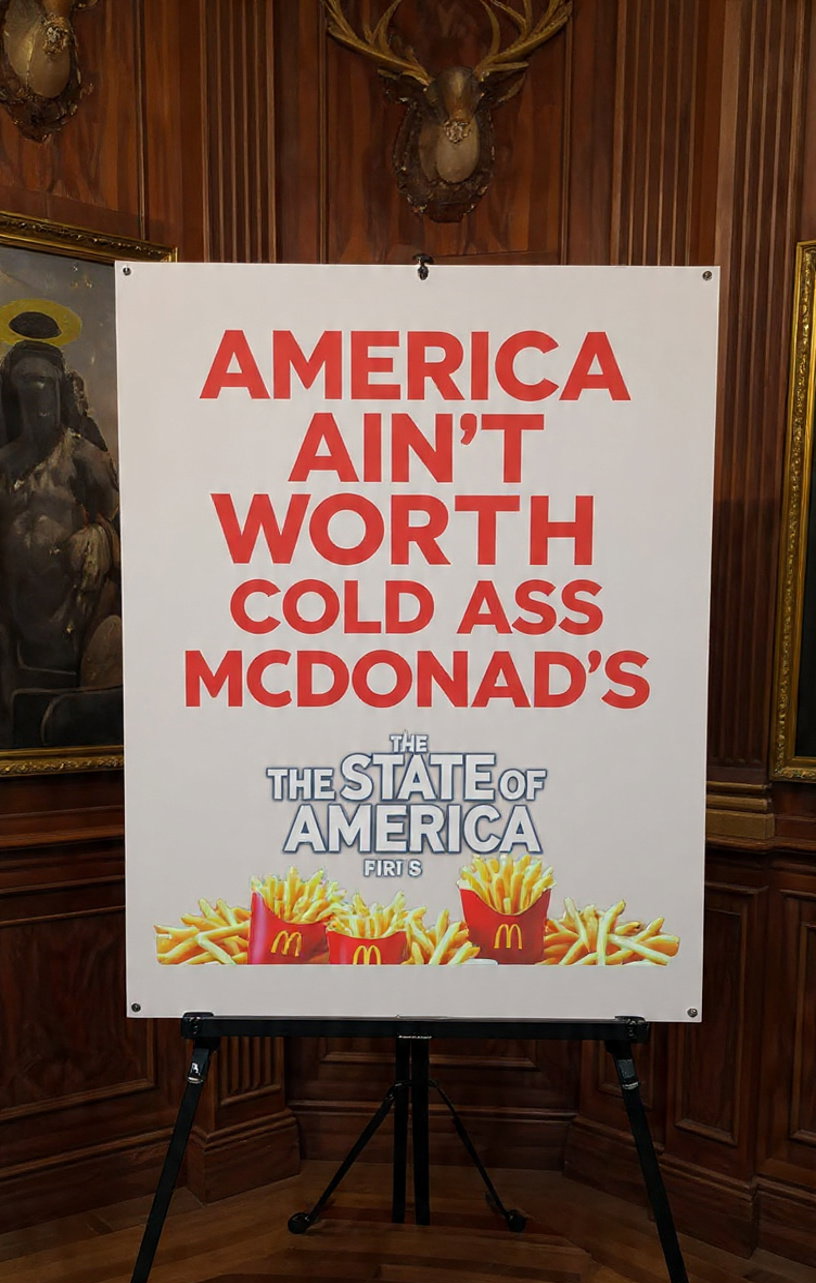
The broadcast’s shock value lay not merely in its profanity or character roasts, but in its relentless insistence on accountability—a quality many mainstream outlets have been accused of diluting. Whether this will translate into tangible policy changes, electoral fallout, or merely a viral meme cycle remains to be seen. What is clear, however, is that in a media ecosystem saturated with spin, an unapologetically raw audit can still cut through the noise and command attention.
As the nation watches the upcoming Part 9, the question that lingers in the hallway of the Capitol, the coffee shops of Iowa, and the living rooms of Alabama is simple yet profound:
Will America's leaders finally listen to the angels—no matter how strange they may be?
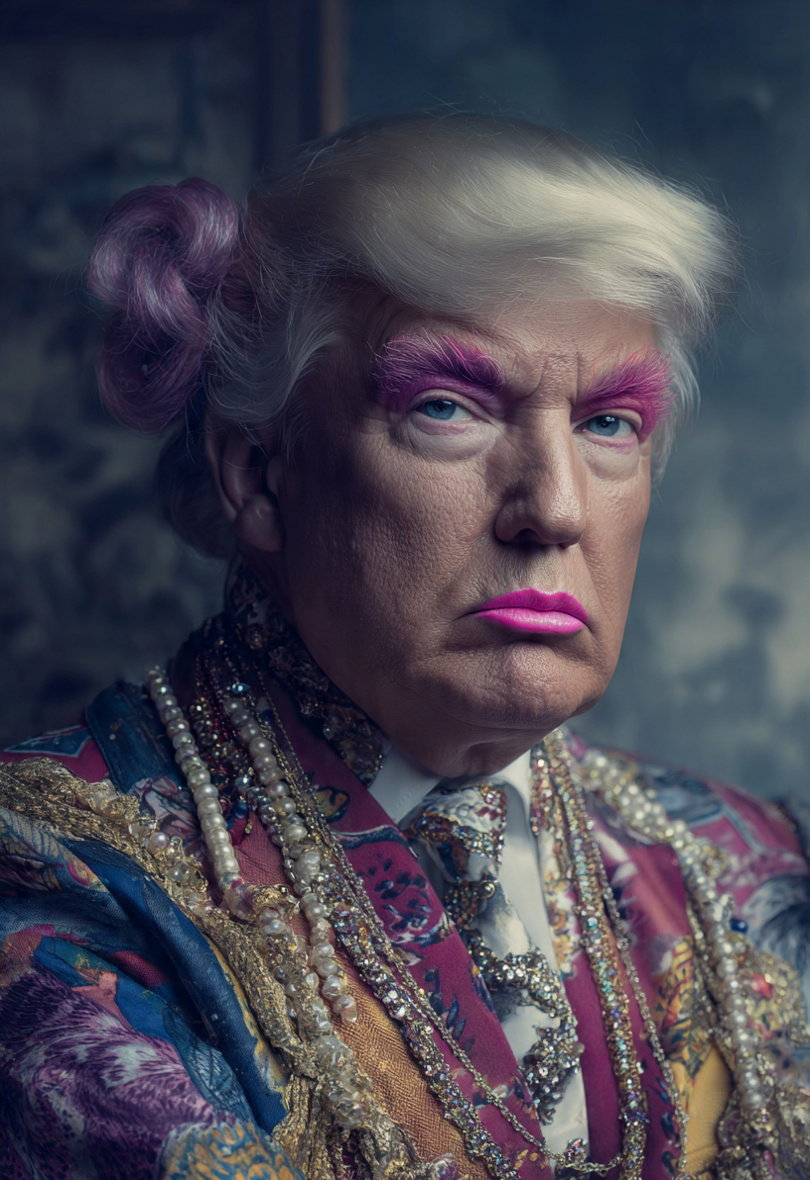
“Never underestimate the power of a disgruntled citizen with a data set and a microphone,” Spears concluded, his voice echoing across the empty studio as the screen faded to black.
