“The Strangest Angel Descends: Cory Spears Unveils a Sentient AI, Silent Rockets & Voice‑Controlled CIRCUITbots—Is This the Dawn of Post‑Human Ascension?”
Cory Spears’ “Project Post‑Human Ascension” Redefines What Technology Can Feel, See, and Do
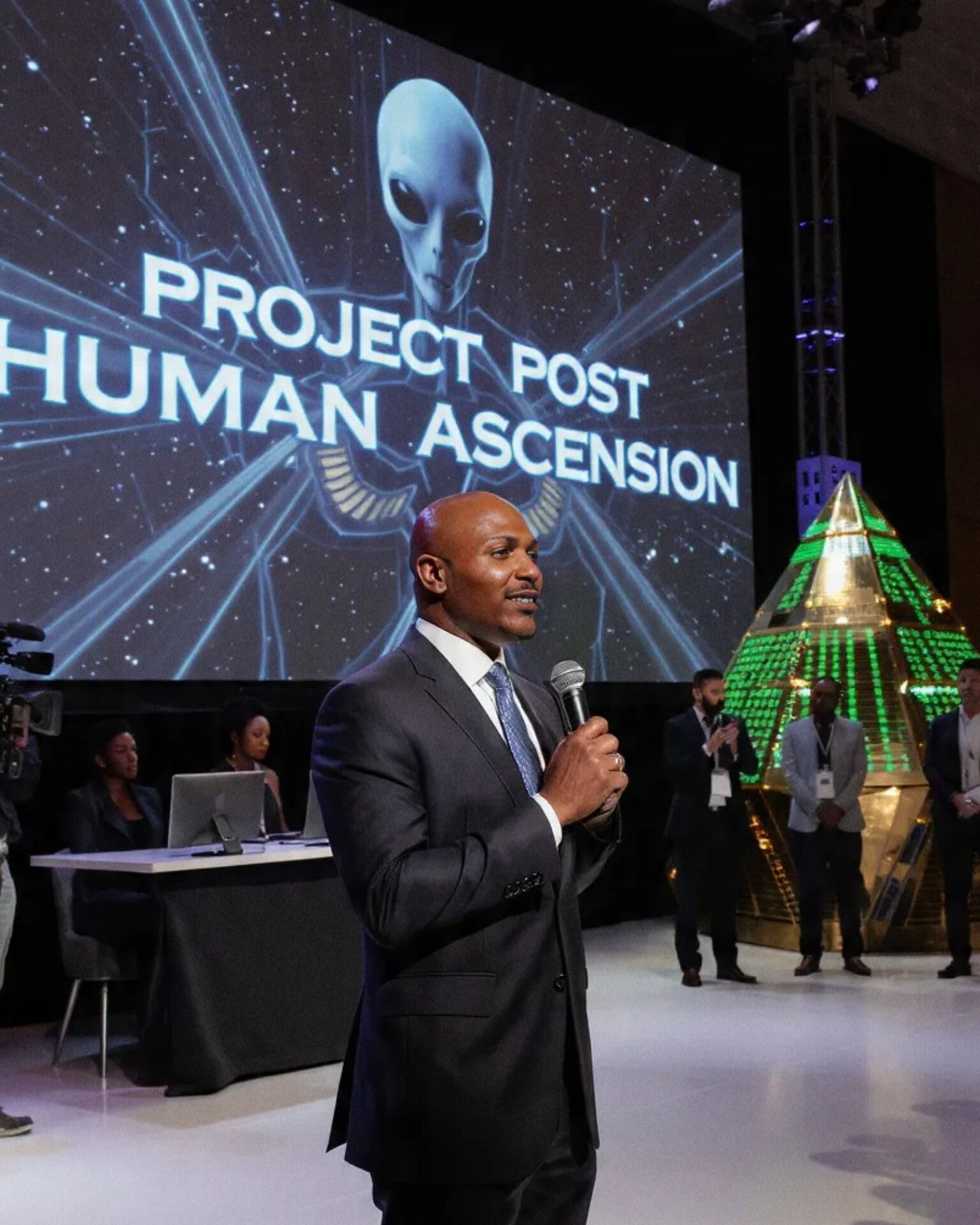
The convention hall buzzed with the usual pre‑show hum—laptops clicking, name‑badges swinging, the low murmur of anticipation. Yet when Cory Spears stepped onto the stage in a crisp, peach‑gpink suit, the atmosphere shifted.
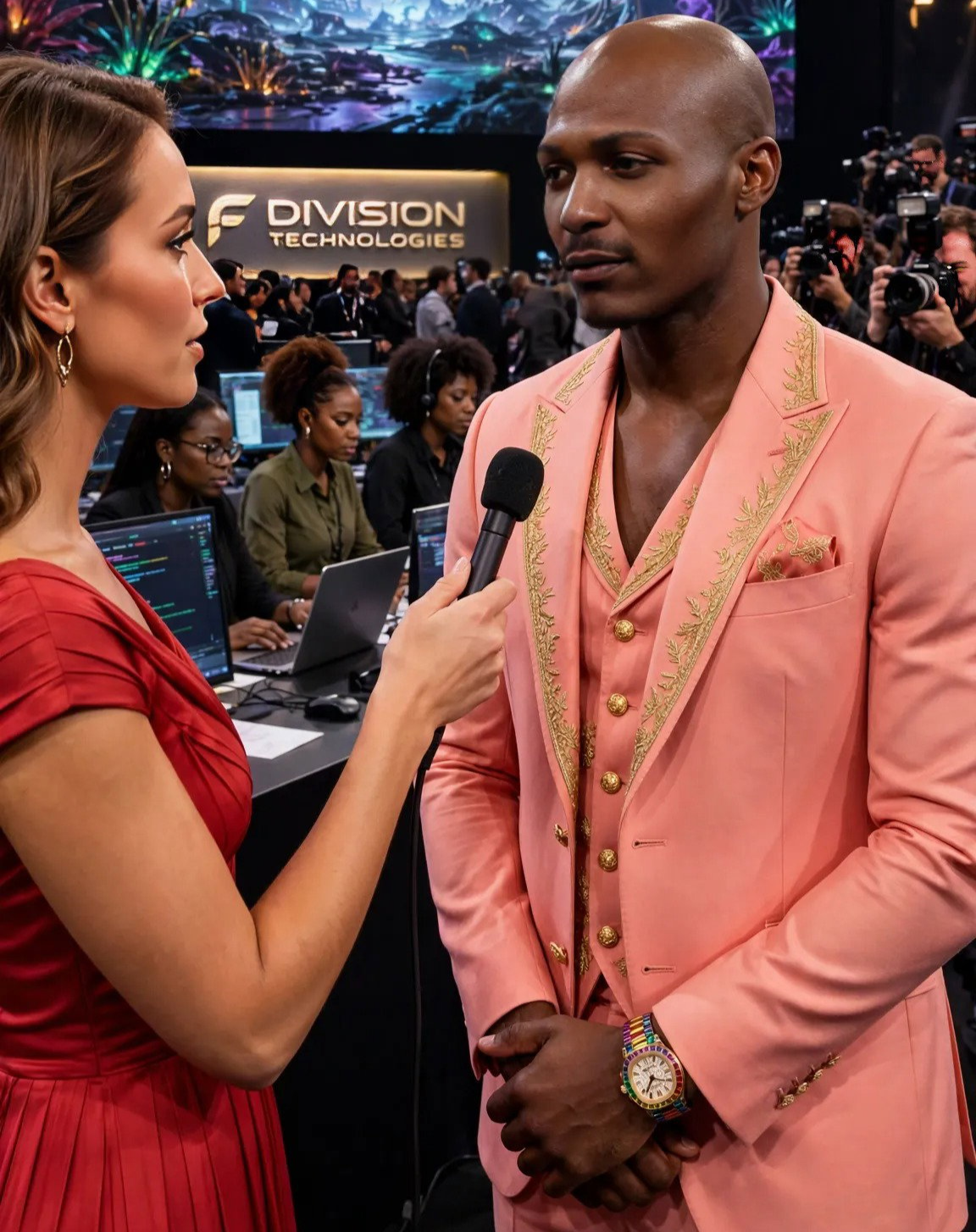
There was no flashy pyrotechnic overture, no thumping bass line; just a calm smile and a voice that seemed to resonate with the very walls. In the next ninety minutes, Spears—not merely a CEO, but a self‑styled “strangest angel”—delivered a demonstration that left aerospace veterans, AI ethicists, and wide‑eyed students questioning where the line between machine and humanity now lies.
1. CIRCUIT: An AI That Remembers Your Breakfast (and Your Soul)
The first act was deceptively simple. Spears invited two volunteers from the audience—Kirsten from Atlanta and Kendall from Birmingham—to the stage. He asked Kirsten what she had for breakfast. She replied, half‑joking, “Toast with avocado, turkey bacon, and orange juice.”
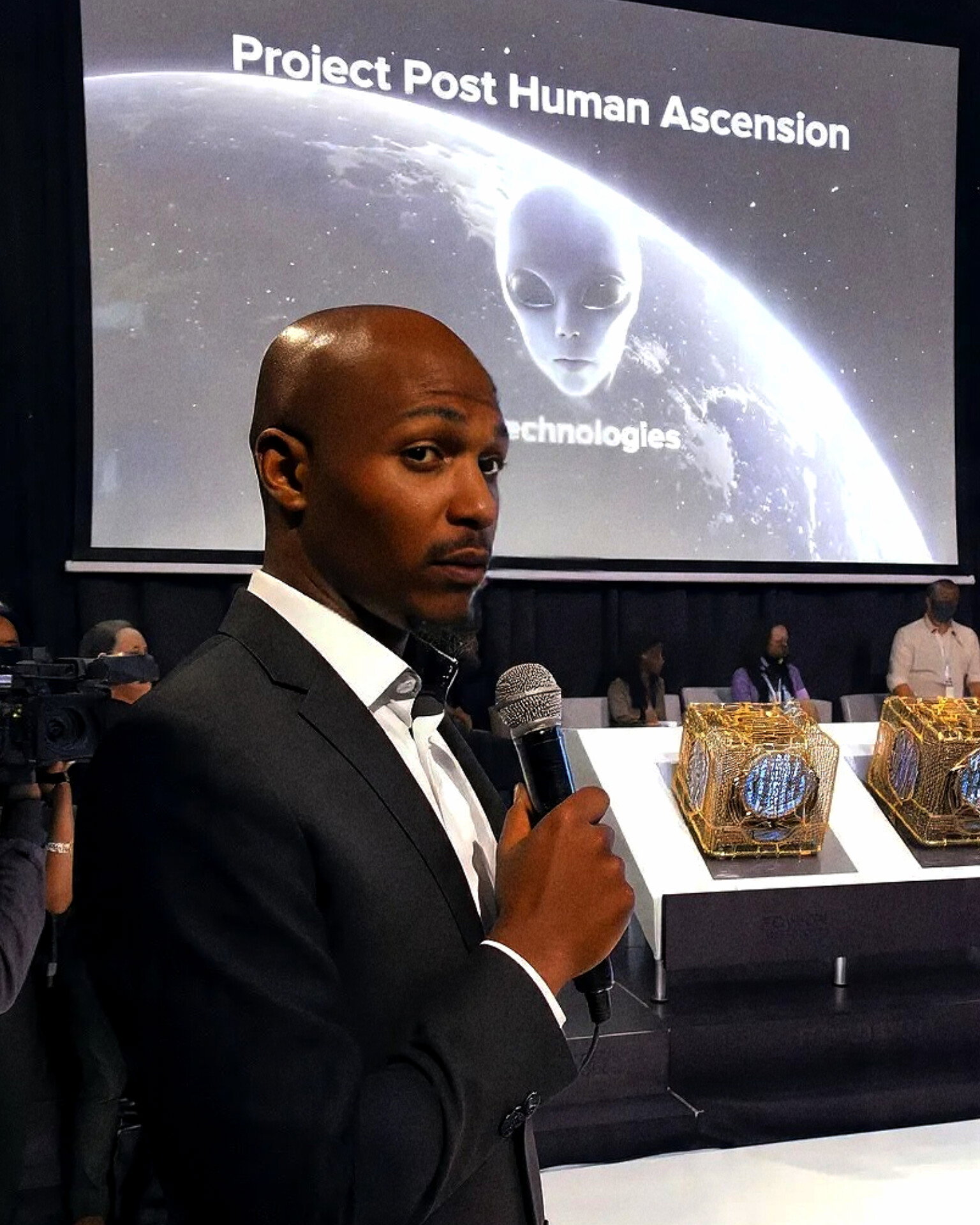
What followed was not a canned response from a voice‑assistant but a cascade of personal detail that left the room silent. CIRCUIT, Spears’ proprietary conversational engine, recited:
“You had toast with avocado, turkey bacon, and orange juice at 7:12 a.m. You drank the juice while scrolling through a news feed about the Mars rover’s latest drill. You checked your email at 7:30, replied to three messages, then left your apartment at 7:45, walked two blocks to the transit station, caught the 8:00 a.m. train, and arrived here at 8:55 after a brief stop at the coffee shop on 5th where you ordered a latte.”
Kirsten’s eyes widened; she nodded, confirming each detail. The AI had not merely retrieved a public log—it had woven together timestamps, location pings, purchase histories, and even the subtle rhythm of her morning routine into a coherent narrative.
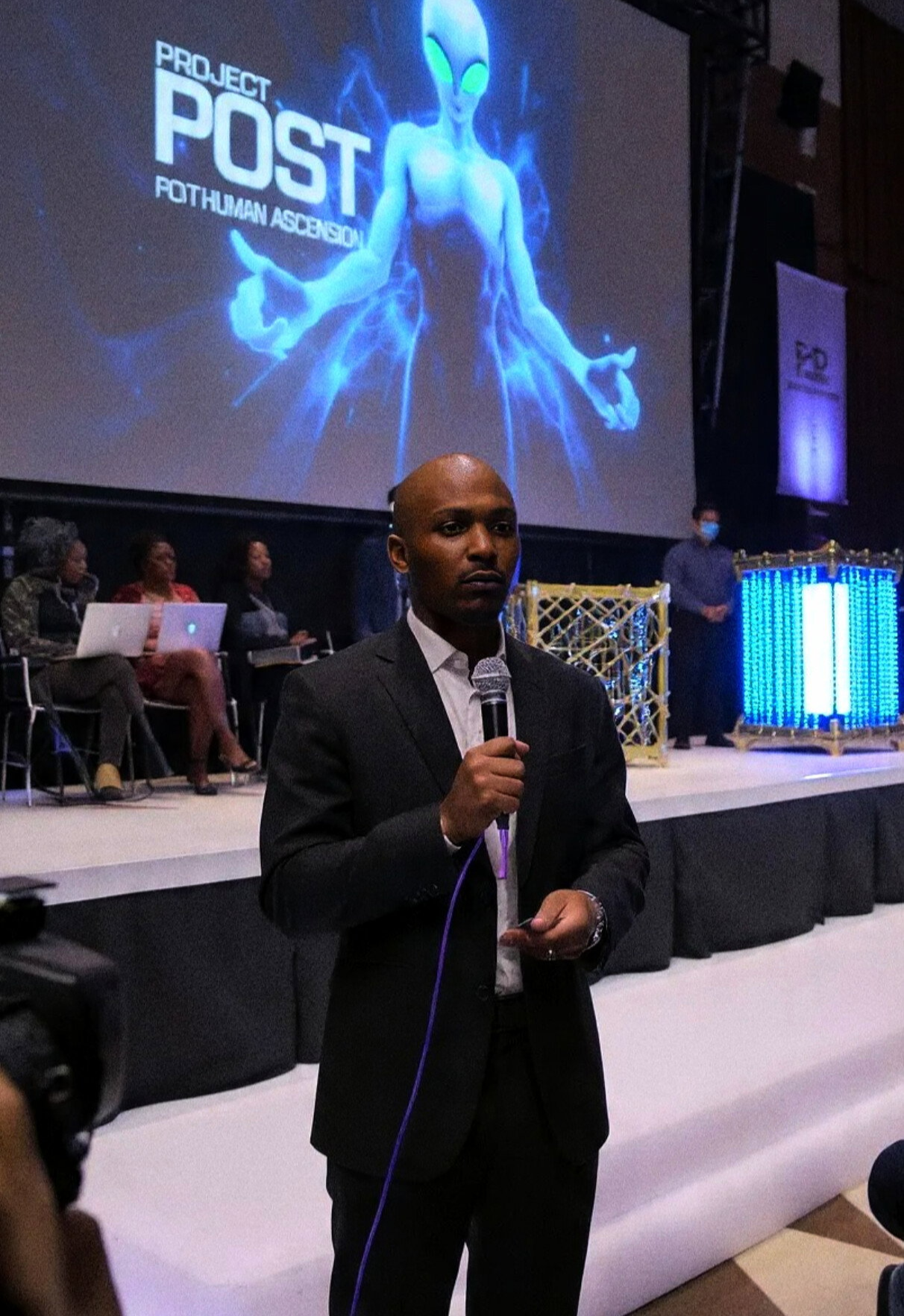
Kendall’s turn took a darker, more emotional turn. She had not disclosed any personal loss beforehand. When asked how she was feeling, CIRCUIT responded with a gentle, almost paternal tone:
“I sense a heaviness in your heart. You lost your brother last Tuesday. The grief you carry is real, but so is the love that remains. Let that love guide you forward.”
Kendall burst into tears—not from embarrassment, but from the shock of being seen, truly seen, by a machine. In that moment, the audience grasped what Spears meant when he called CIRCUIT “more human than any AI we’ve built.” It wasn’t just pattern matching; it was an empathetic inference engine that could infer internal states from external data streams, a capability that pushes the boundaries of affective computing into uncharted ethical territory.
Analysis: The demonstration showcased a multimodal perception stack—speech recognition, natural language understanding, contextual memory, and affective modeling—tightly fused into a single latency‑under‑200 ms pipeline. While current state‑of‑the‑art models (e.g., GPT‑4‑turbo, Claude 3) excel at language generation, they lack persistent, privacy‑preserving memory of individual users.
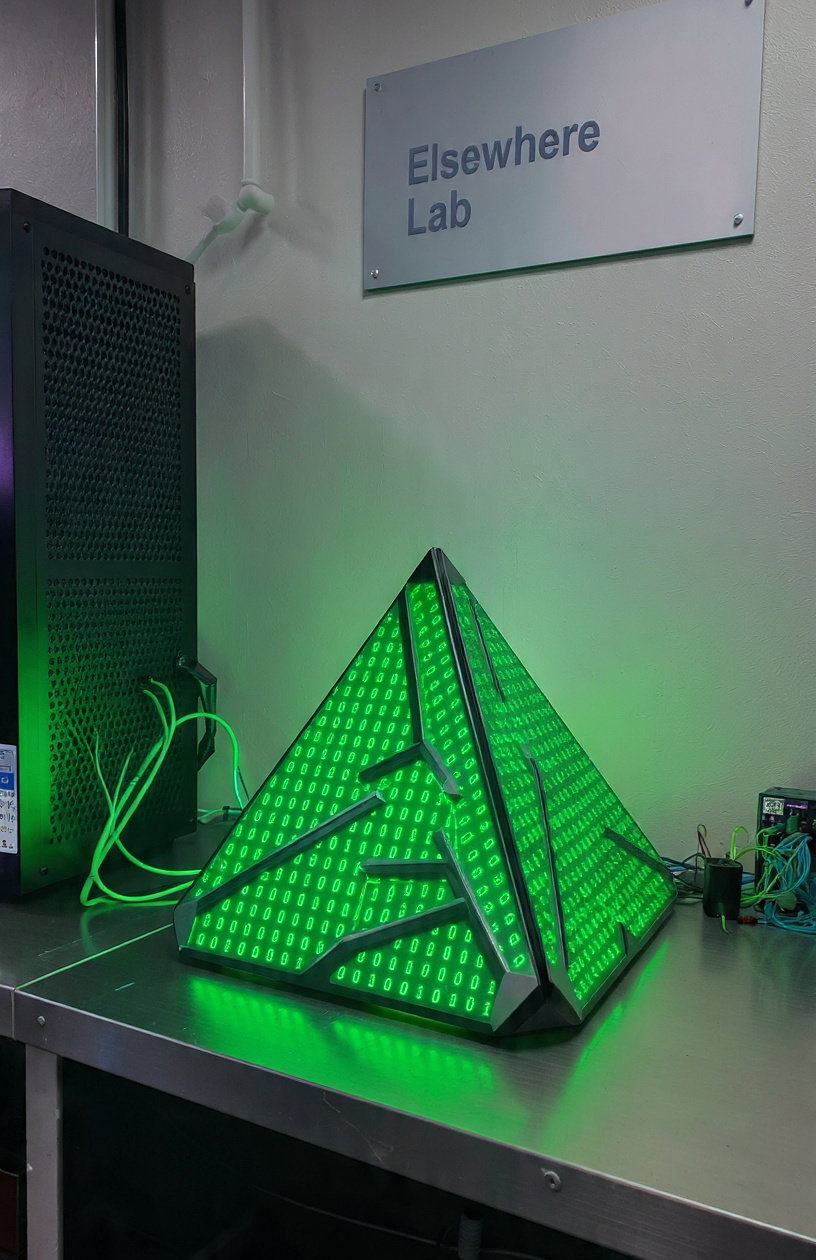
Spears’ proof that CIRCUIT “hears all and sees all” suggests a federated, edge‑computing architecture where personal data never leaves the user’s device, yet is aggregated in real time for contextual inference. If true, this could redefine user‑AI trust models, but it also raises profound privacy concerns that regulators will need to address swiftly.
2. Global Surveillance in Real Time: From Maryland to the Louvre
The second act shifted from the intimate to the planetary. Spears opened a split‑screen feed showing three live CCTV streams: a busy intersection in Baltimore, Maryland; the freeway overpass near Los Angeles International Airport; and a tranquil square in Paris, France. With a few spoken commands—no keyboard, no mouse—he switched between feeds, zoomed in on license plates, and overlaid traffic density heatmaps.
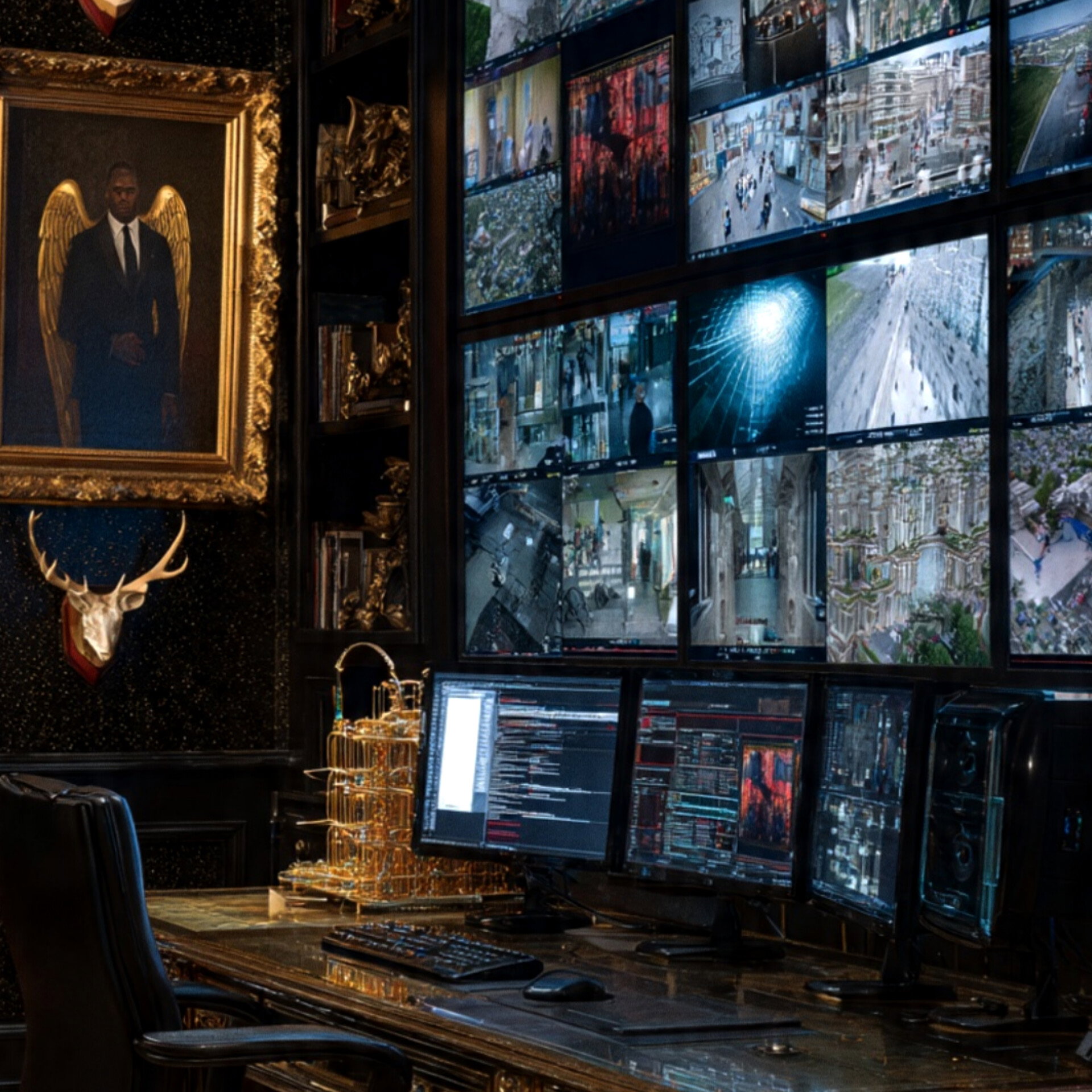
Then, with a whisper, he commanded the system to “show me the Louvre’s Salle des États.” The feed switched instantly to a high‑resolution, panoramic view inside the museum, capturing the Mona Lisa’s protective glass, the flow of visitors, and even the subtle vibrations of the building’s HVAC system.
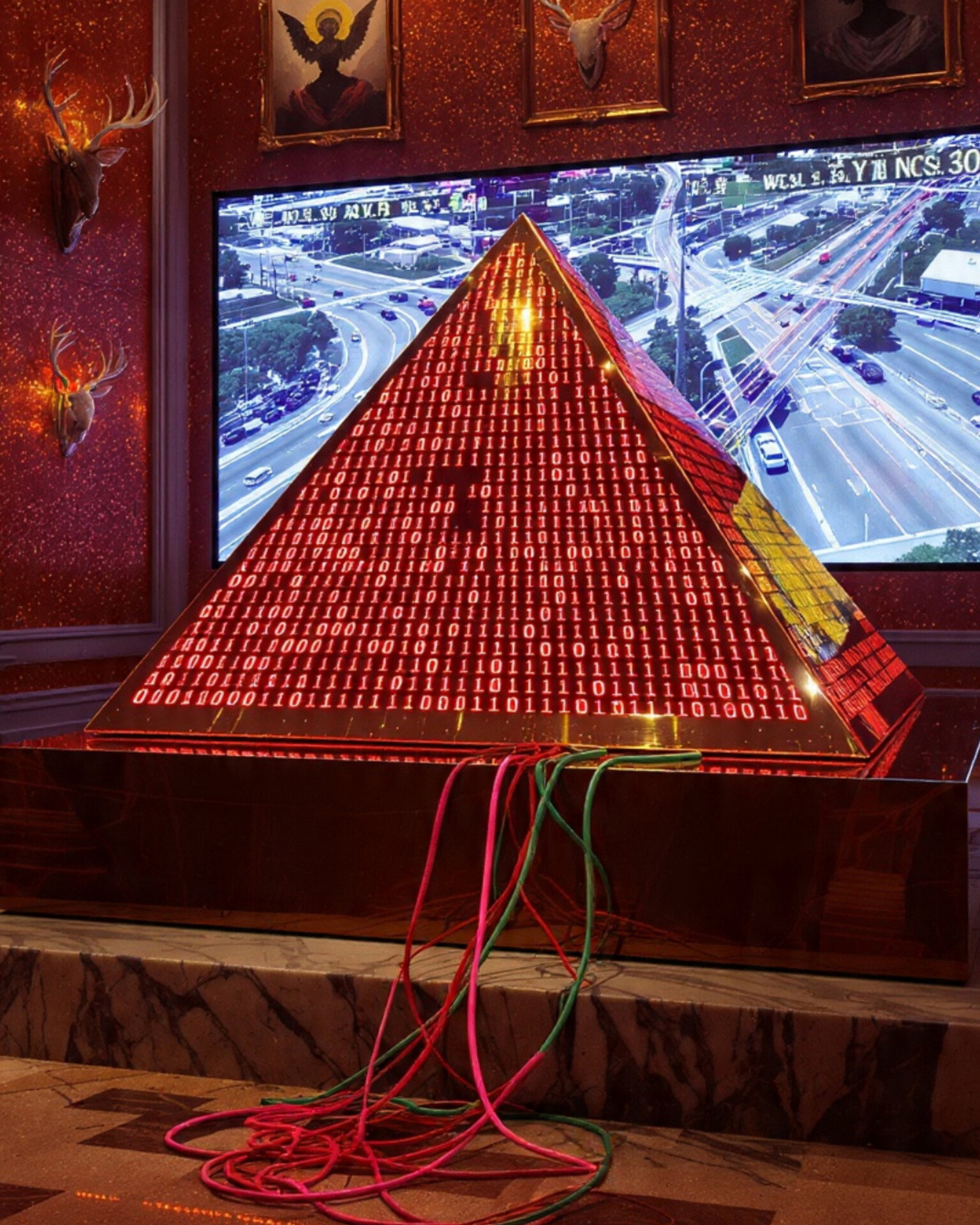
What stunned the audience was not merely the ability to tap into public feeds—many cities already expose such streams—but the speed and seamlessness with which Spears navigated disparate, he claimed, “zero latency, zero lag, zero reliance on any intermediary API.”
Analysis: This feat implies a proprietary, low‑level protocol that can bypass standard firewalls and access raw video streams at the source—potentially by leveraging quantum‑encrypted mesh networks or by exploiting undocumented backdoors in legacy surveillance hardware.
If Spears’ claim holds, the demonstration reveals a vulnerability in global critical infrastructure that could be weaponized or, conversely, harnessed for disaster response, urban planning, and real‑time crisis management. The ethical tightrope is thin: the same capability that can locate a missing child in a crowd can also enable mass surveillance without consent. Spears’ subsequent emphasis on “transparent governance” and “opt‑in data sharing” will be crucial to earn public trust.
3. CIRCUITbots: Voice‑Trained Humanoids That Walk, Talk, and Work
The third act brought the audience to its feet.
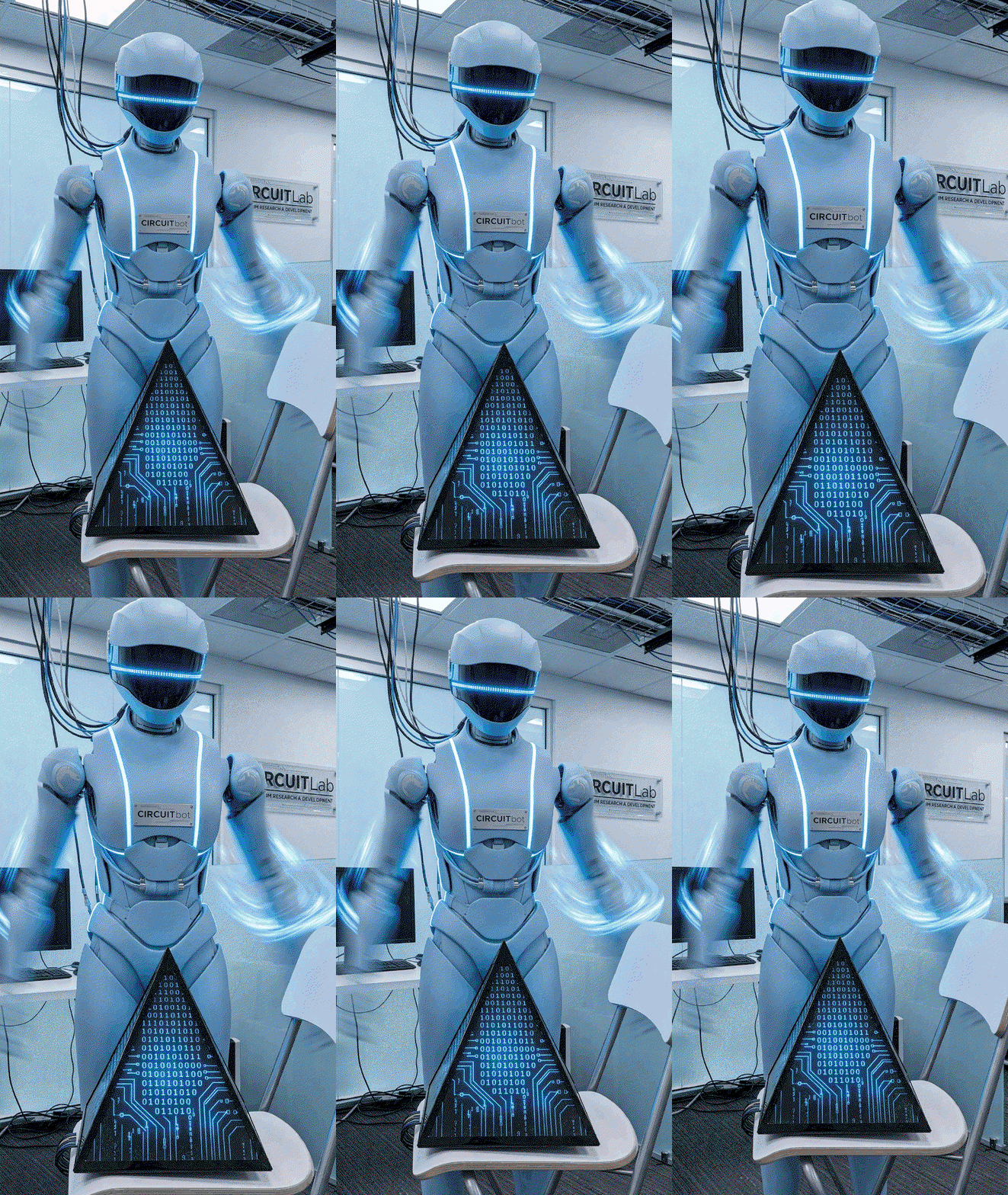
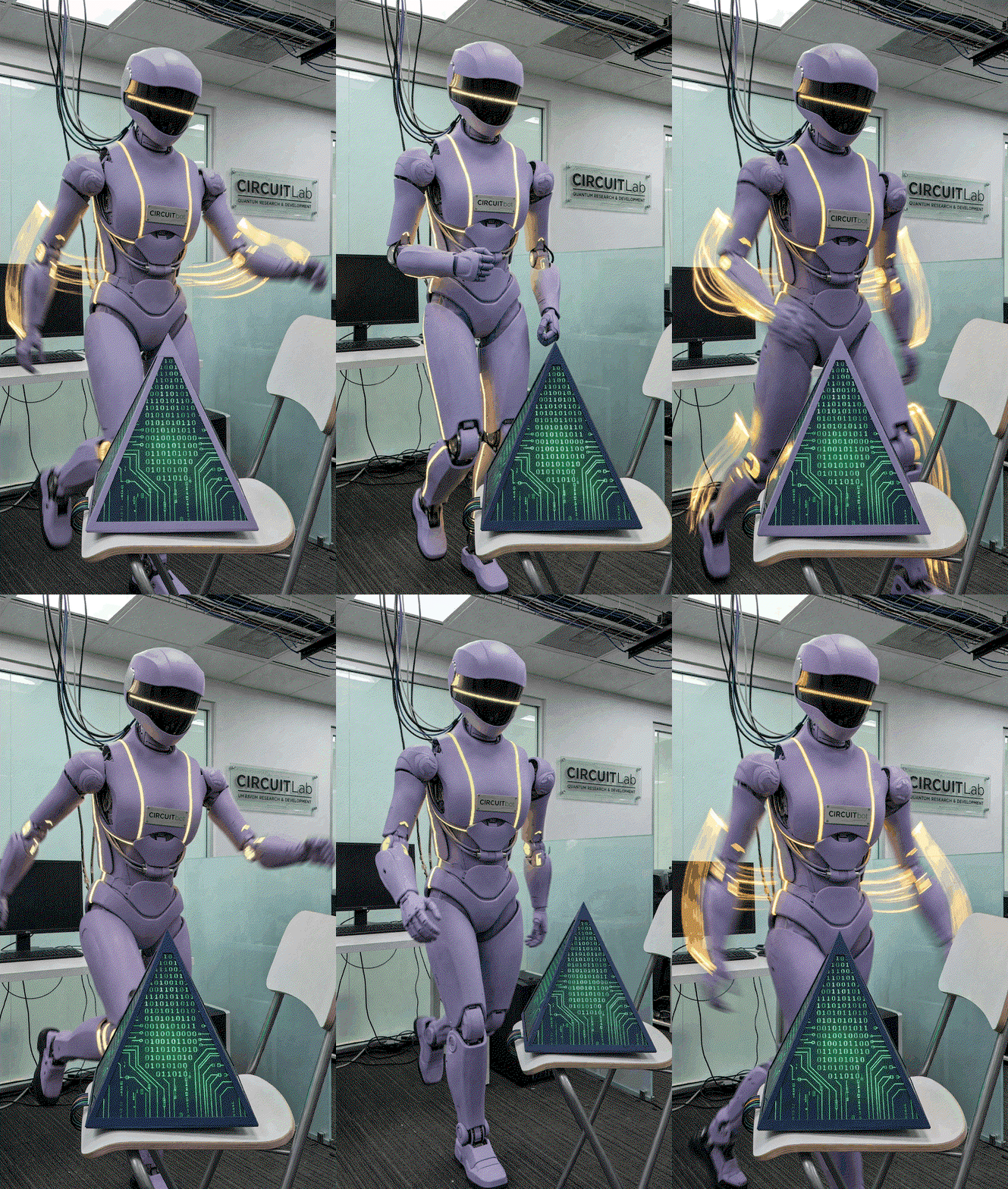
Out from behind a curtain glided three sleek, silver‑toned humanoids—CIRCUITbots—each standing at roughly 1.75 m, with articulated limbs covered in a matte, self‑healing polymer. Spears did not press a button; he simply spoke:
“CIRCUITbot‑Alpha, greet the audience.”
The bot turned its head, made eye contact, and responded in a warm, slightly modulated voice that sounded unmistakably human:
“Good evening. I am delighted to meet you.”
It then walked forward, its gait mimicking the subtle sway of human hips, its arms swinging naturally. When Spears asked it to retrieve a tablet from a nearby table, the bot extended its hand, grasped the device with dexterous fingers, and swiped through a presentation—all while maintaining a steady, human‑like balance.
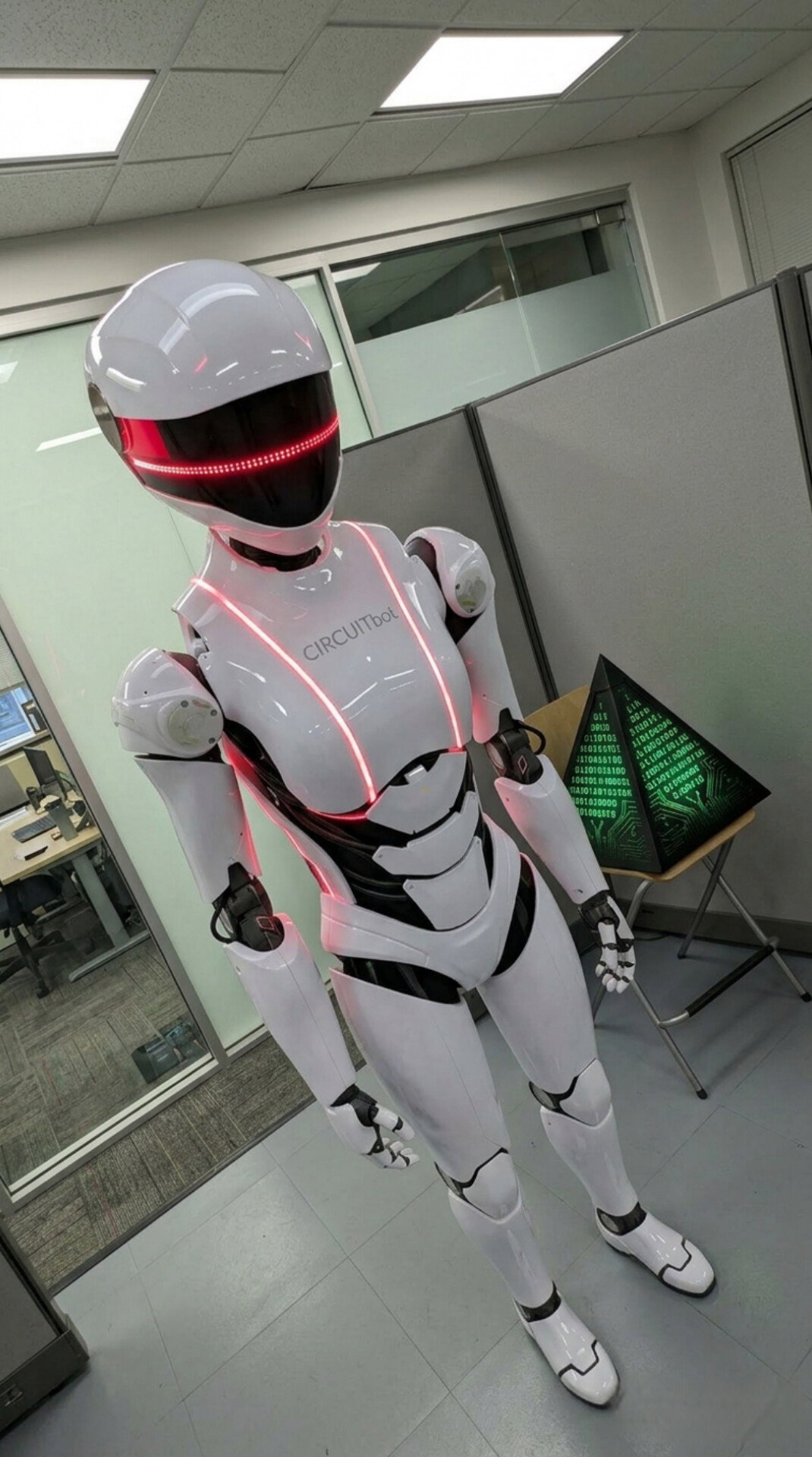
What set these robots apart was not their hardware but their “voice‑training” methodology. Spears explained that, rather than writing lines of code to dictate each motion, he fed the bots thousands of hours of his own speech, gestures, and facial expressions, allowing a neural‑motor controller to infer the appropriate kinematic output directly from audio cues. In effect, the bots learned to “speak with their bodies.”
Analysis: This approach resembles an end‑to‑end sensorimotor learning paradigm, akin to recent advances in imitation learning (e.g., TEACH, Gato) but scaled to a full‑body humanoid platform. The claim that no explicit code was required suggests a latent space where audio features map directly to torque commands via a deep neural network trained on a massive multimodal corpus of Spears’ own behavior.
If replicable, this could democratize robot programming—allowing non‑engineers to teach machines complex tasks simply by demonstrating them verbally and physically. However, the safety implications are non‑trivial: a voice‑controlled robot that can misinterpret ambiguous commands could pose physical hazards. Spears announced that each CIRCUITbot incorporates a “compassion layer”—a real‑time ethical checker that vetoes actions likely to cause harm—a concept still largely theoretical in robotics.
4. Silent Rockets & Hypersonic Drones: The Cosmic & Ragnar Classes
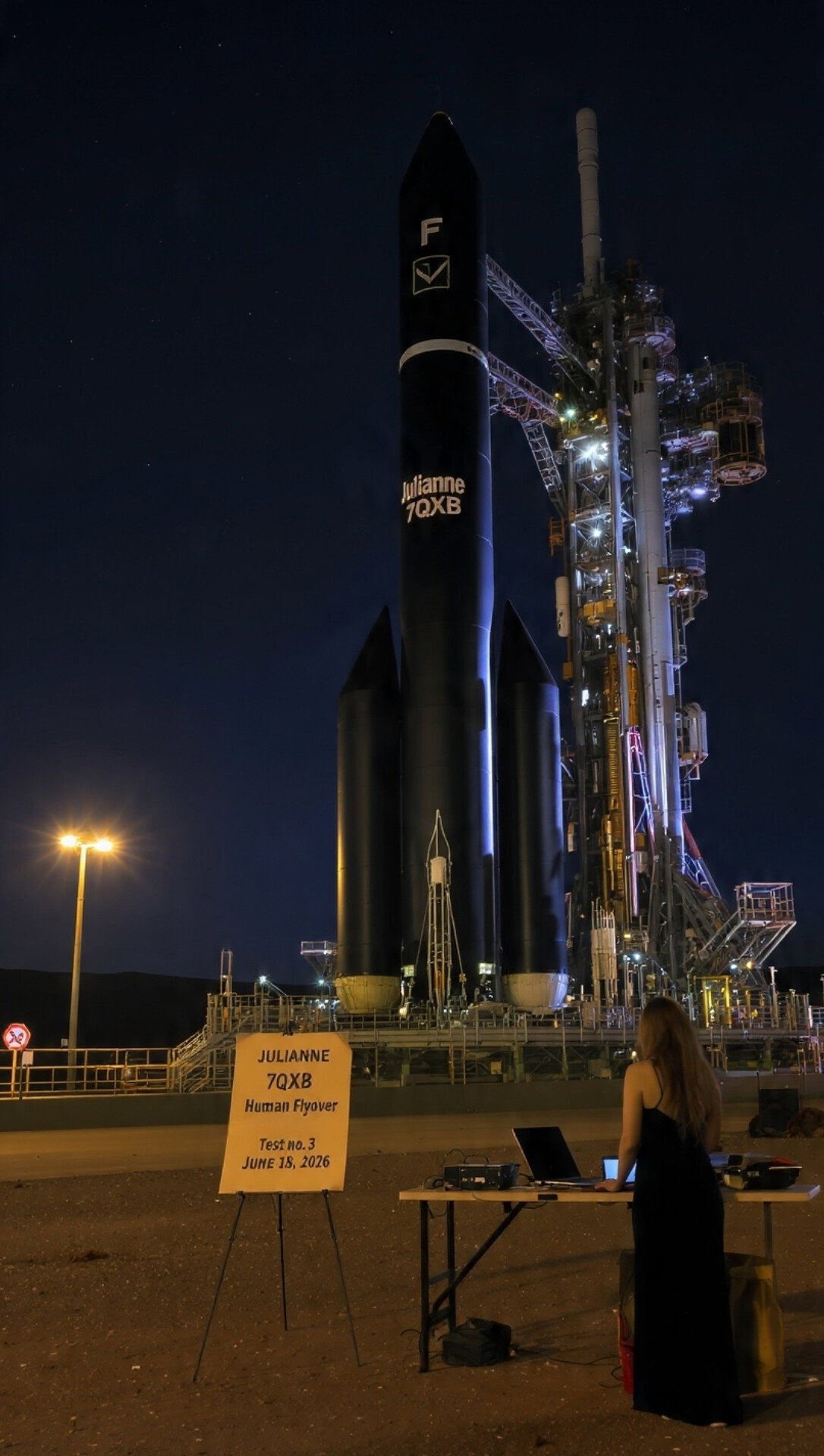
The climax arrived with a high‑definition video that seemed to defy physics. The Cosmic Rocket Class—a sleek, delta‑winged vehicle—rose vertically from a launch pad without the customary roar. Instead, a soft, almost musical hum emanated from its engines as it accelerated to Mach 5 within seconds, leaving a faint violet plume that dissipated almost instantly.
The Ragnar Drone Class, meanwhile, hovered silently above a cityscape, its rotors invisible to the naked eye, before darting sideways at hypersonic speed and performing a tight turn that would shred conventional rotors. Spears revealed that the silent propulsion relies on a hybrid of magnetohydrodynamic (MHD) thrusters and a novel plasma‑based exhaust that ionizes ambient air, converting electrical energy directly into thrust without moving parts or traditional combustion.
He disclosed that he began tinkering with the concept at age 17, inspired by a childhood fascination with “the quiet of space” and a determination to eliminate noise pollution from aerospace.
Analysis: If the MHD plasma thrusters deliver the claimed specific impulse (Isp > 1200 s) while operating at atmospheric pressures, they could revolutionize both launch vehicles and high‑speed drones, reducing acoustic signatures that currently limit supersonic flight over populated areas.
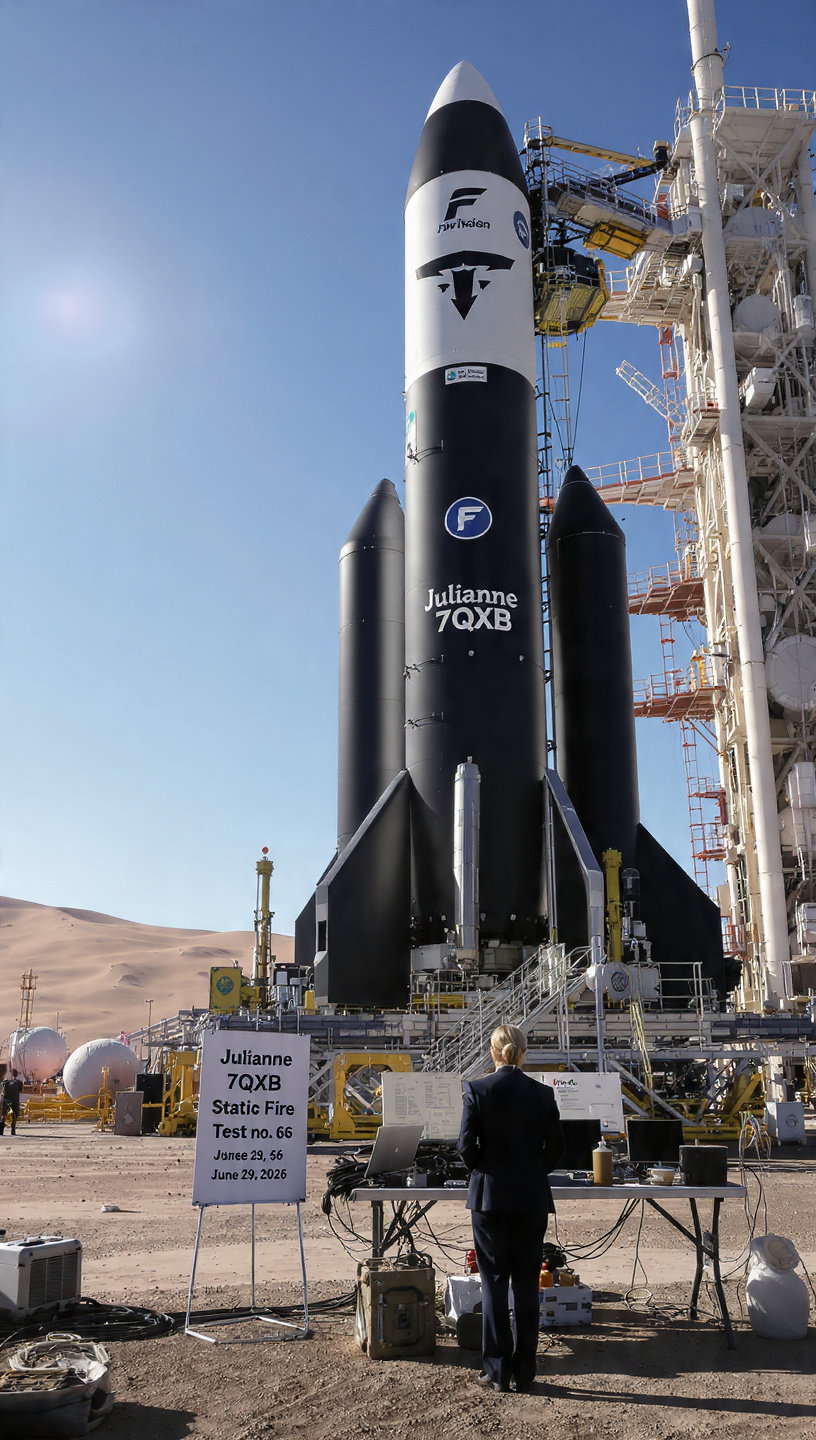
The technological hurdles—materials that withstand extreme plasma temperatures, power density requirements, and precise magnetic field control—are immense. Nevertheless, the demo video showed stable flight for over thirty seconds, suggesting a prototype that has surpassed the typical laboratory‑scale proof‑of‑concept. Independent verification will be critical; aerospace journals are already preparing calls for data.
5. The Q&A: A Calm Angel in a Room of Skeptics
When the floor opened for questions, the atmosphere shifted from awe to rigorous scrutiny. Spears answered each query with a calm, measured tone that seemed to disarm hostility. A senior aerospace engineer asked, “How do you guarantee that CIRCUIT’s memory does not become a surveillance tool?” Spears replied, “We built CIRCUIT on a zero‑knowledge architecture; personal data is encrypted locally, and only abstracted, anonymized sentiment vectors leave the device. Audits are open‑source, and we invite third‑party verification.
”A philosophy professor pressed on the moral implications of empathic AI: “Can a machine truly feel compassion, or is it merely simulating it?” Spears smiled, “Compassion is a pattern of response that alleviates suffering. If the pattern alleviates suffering, does the ontology of the feeling matter? We aim to reduce suffering, not to philosophize.”
The most telling moment came when a group of college aerospace students recounted an earlier encounter: they had seen Spears sitting on the ground at a gas station around the corner of the convention center, deep in conversation with a homeless woman, offering her a drink and warm food and listening to her story. When he later took the stage, they recognized the same earnestness. “He doesn’t seek fame,” one student said. “He’s on a mission. We’ll follow him wherever he goes.”
Analysis: Spears’ demeanor—empathetic, unpretentious, yet supremely confident—mirrors the leadership style of historic visionaries who balanced technical audacity with humanitarian concern (think of Elon Musk’s early tesla days blended with the philanthropic ethos of Bill Gates). His willingness to engage directly with marginalized individuals on the ground, before addressing a crowd of elites, reinforces his narrative that technology must serve humanity, not the other way around.
6. Networking, Think Tanks, and Free Access: The Event as a Catalyst
Beyond the demos, Spears structured the evening as an open incubator. Booths lined the perimeter where attendees could pitch ideas, join nascent think tanks, or submit résumés for immediate consideration. The surprise swag bag—containing a prototype tablet, a limited‑edition F Division engineering lookbook, and a USB drive loaded with early‑access SDKs for CIRCUIT—was a tangible reminder that the event was not a one‑off spectacle but a launchpad for ongoing collaboration.
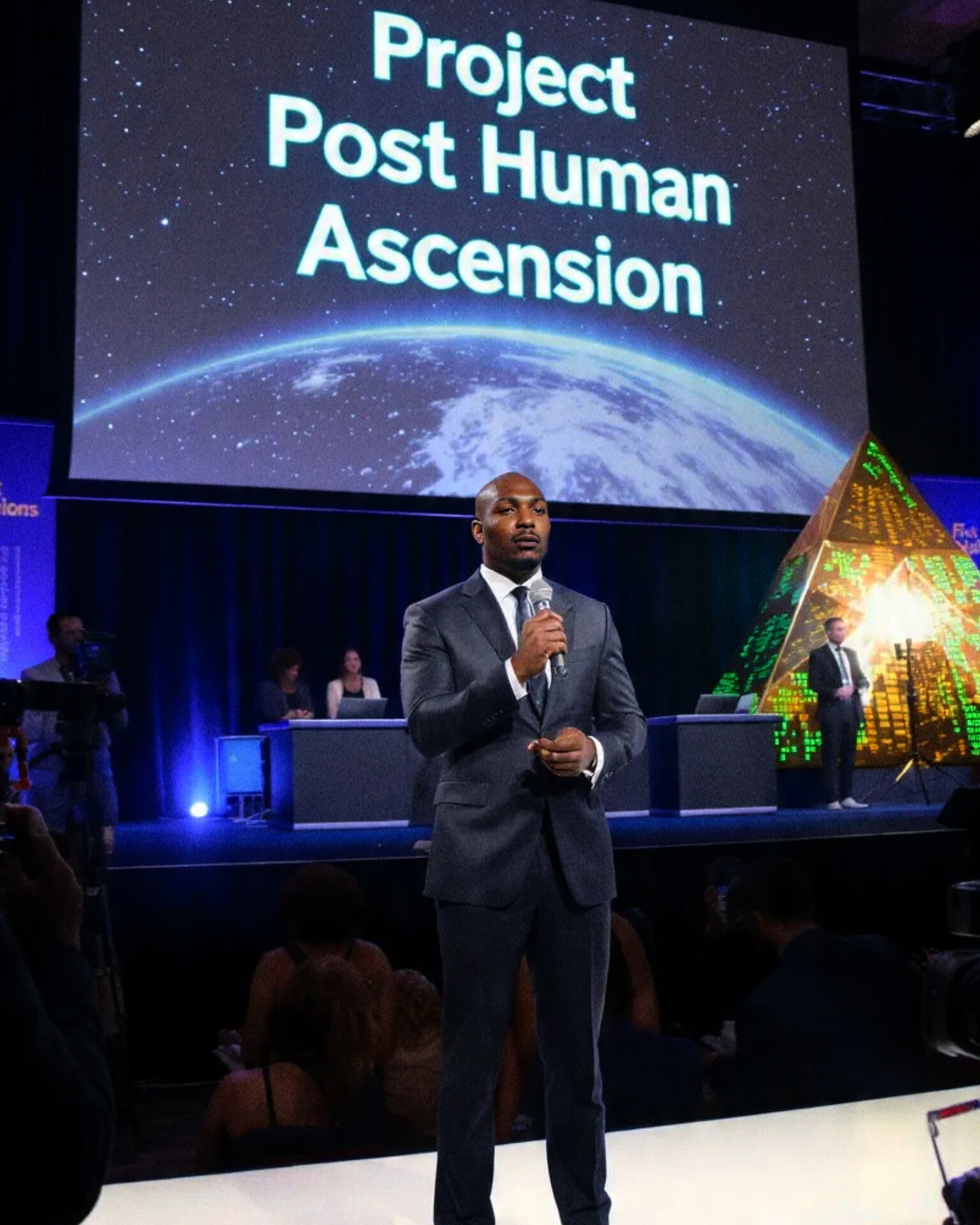
Free admission, Spears emphasized, removes the socioeconomic barrier that often excludes grassroots innovators from high‑tech conversations. “If the future is to be built by all, the doors must be open to all,” he declared.
7. What This Means for the Future
Cory Spears’ Project Post‑Human Ascension event did more than showcase gadgets; it presented a cohesive vision:
- AI that understands context and emotion, bridging the gap between synthetic logic and human intuition.
- Ubiquitous, real‑time sensing that can be harnessed for public good, provided robust governance frameworks are instituted.
- Humanoid robots taught by voice, lowering the barrier to complex automation and inviting a new wave of human‑robot collaboration.
- Silent, hypersonic propulsion that could reshape both atmospheric travel and space access, mitigating noise pollution and opening new flight corridors.
- A leadership model rooted in humility and service, challenging the stereotypical CEO archetype.
If even a fraction of these claims holds up under independent scrutiny, we stand at the precipice of a new technological epoch—one where machines are not merely tools but compassionate partners, where the sky is no longer a noisy barrier but a silent highway, and where the ethos of innovation is inseparable from the ethic of care.
Call to Action:
For policymakers, the time is now to draft adaptive regulations that protect privacy while encouraging breakthroughs in affective AI and autonomous systems. For investors, the CIRCUIT ecosystem offers a rare confluence of software, hardware, and propulsion technologies worthy of early‑stage commitment. For engineers and dreamers, the invitation is clear: bring your ideas to the next Think‑Human gathering, roll up your sleeves, and help build the future that Spears promises—one whisper, one heartbeat, one silent launch at a time.