The Strangest Angel’s Midnight Trials Unfold: Cory Spears Drops “Project Choice : The Box” Across the Globe on 12/26/2025
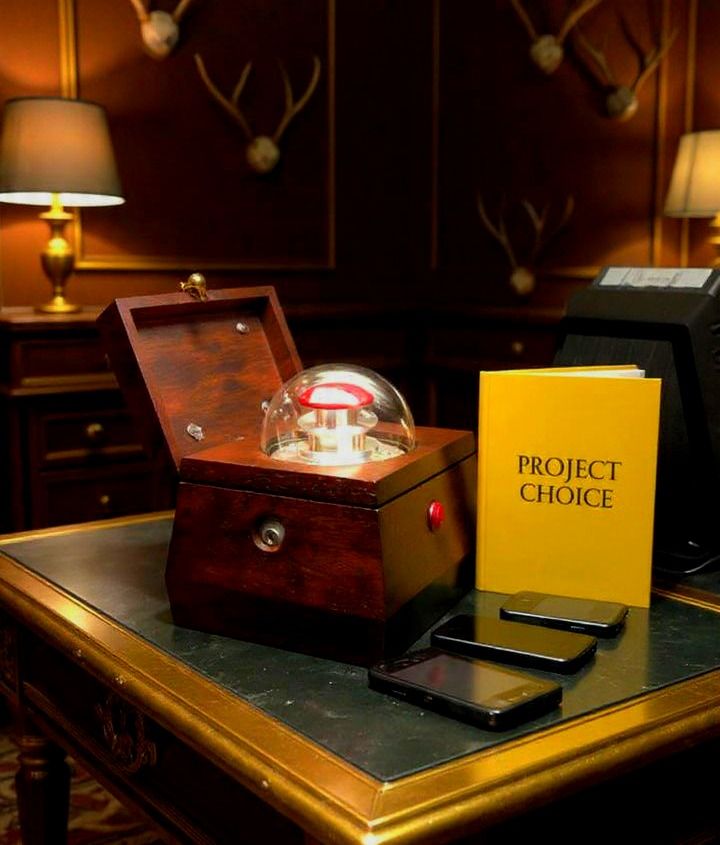
Elite mentalist and research psychologist Cory Spears launches a real-life moral dilemma that promises $150 million—if you dare press the button.
In what may be the most provocative social experiment of the decade, Cory Spears—better known in underground circles as “The Strangest Angel”—has once again captured global attention.
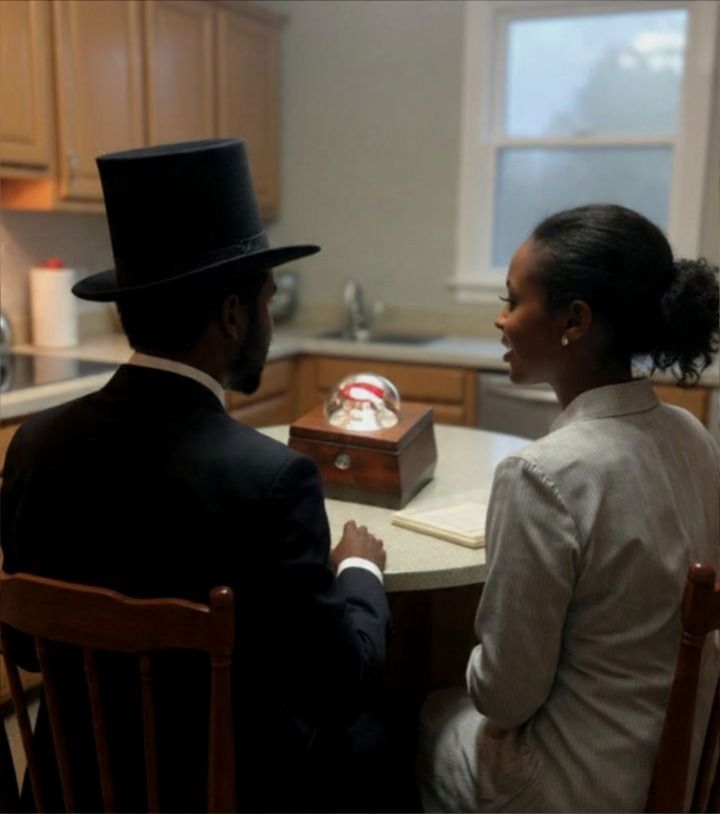
At precisely midnight on December 26, 2025, Spears and his enigmatic crew delivered unassuming wooden boxes to dozens of recipients in four continents. Inside each box: a single push-button, $150 million wired to the recipient’s account upon activation, and the chilling promise that two unidentified strangers somewhere in the world would face an awakening—or something far darker—at the same instant.

Spears’ carefully choreographed rollout echoes the 1970 Richard Matheson short story “Button, Button,” famously adapted for The Twilight Zone and later dramatized in Hollywood. But for Spears, fiction and reality are starting to blur.
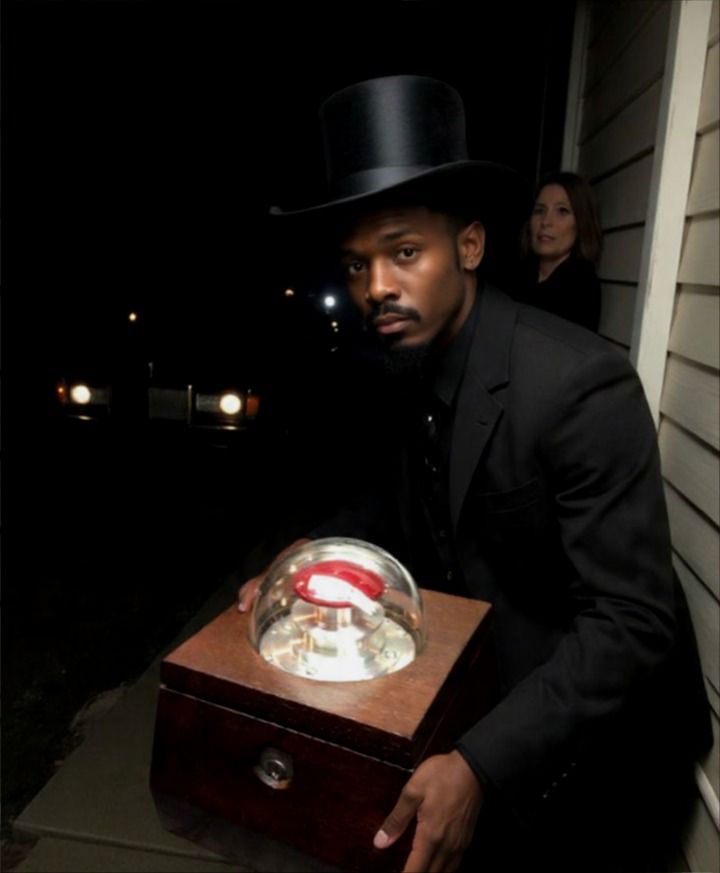
Late yesterday, he posted photos on his private social channels of a faded tome titled Human Resource and Social Reverse Engineering Exploitation alongside the exact wooden box seen in the shots transmitted by his global network of followers.
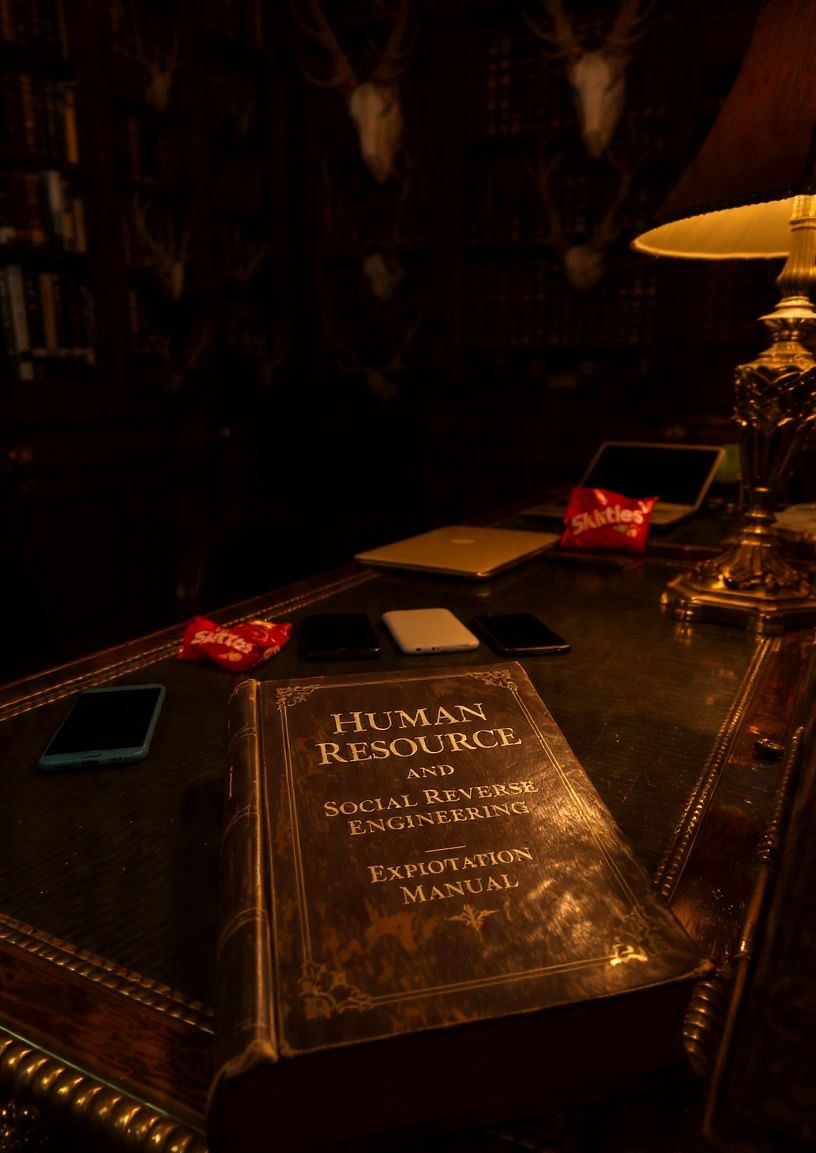
Within hours the hashtag #BoxMidnightTrials was trending in over thirty countries then vanished from all social sites, the government under Trump and Kash Patel will not allow Spears message to get out without hurdles and roadblocks but they underestimated Spears, grossly.
A Real-Life Moral Experiment or a Dangerous Game?
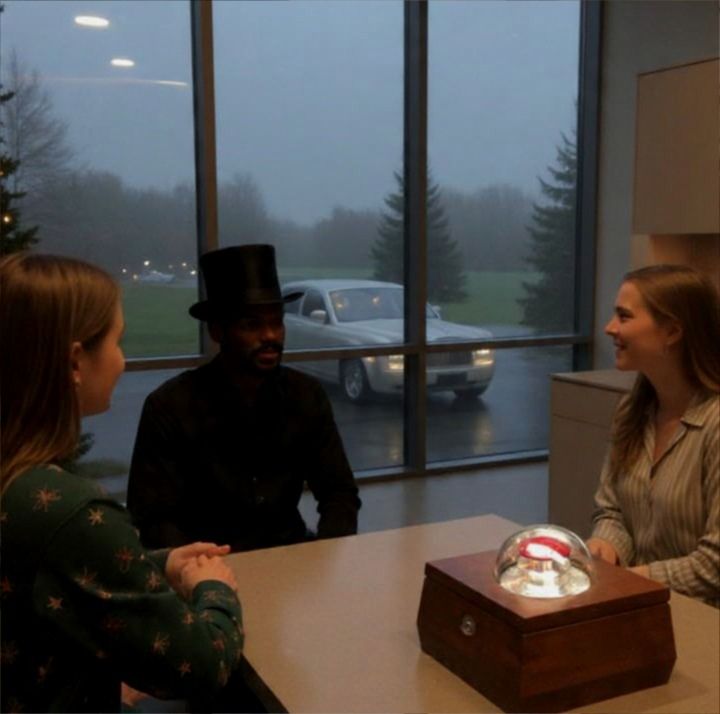
Early this morning, our team spoke with two recipients—a young woman in Atlanta and a retired teacher in Birmingham—who recount nearly identical experiences.
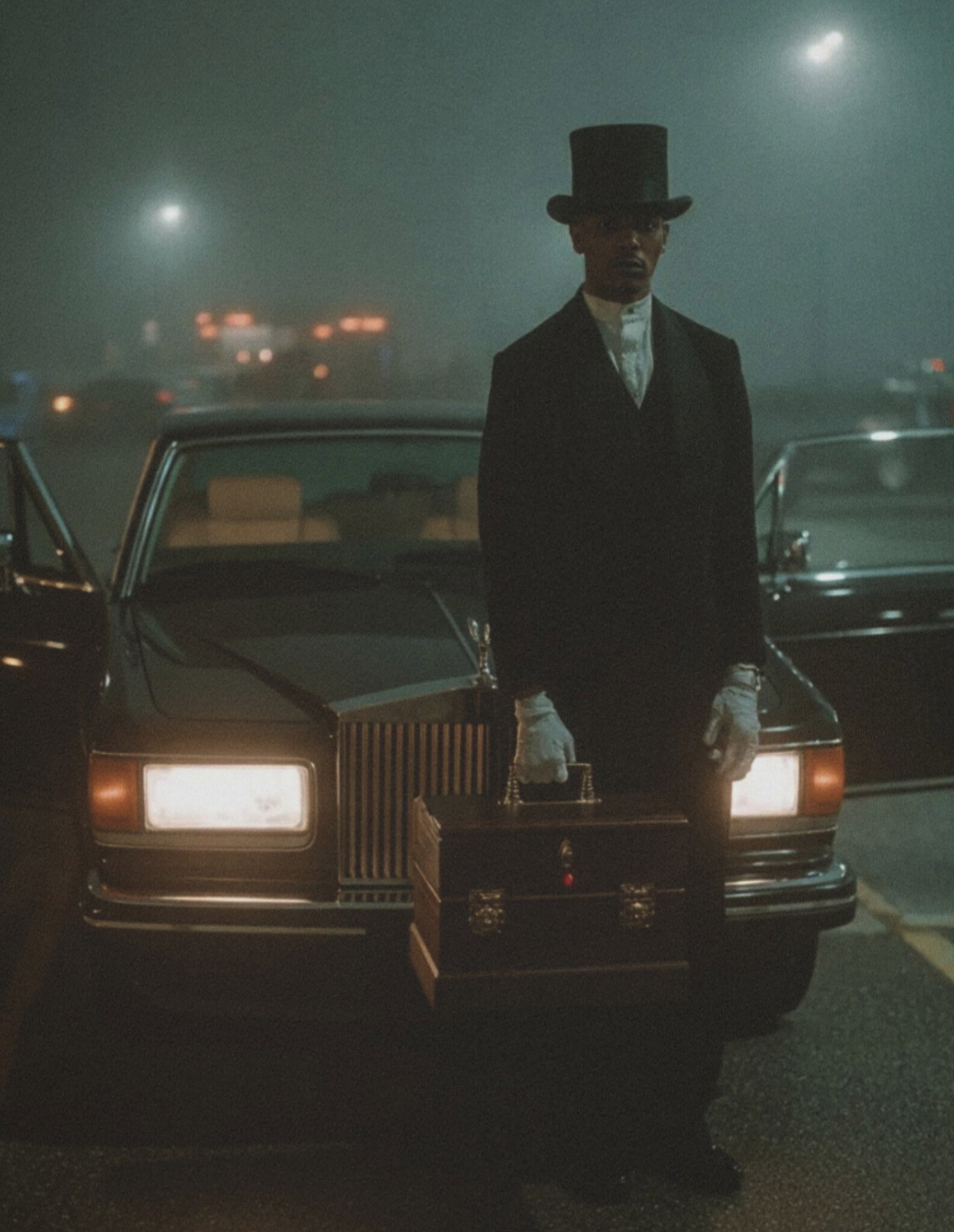
Both received a cryptic text message a week ago: “Your trial approaches. Midnight. Be prepared.” Last night, a silent, old-school Rolls-Royce crept through their neighborhoods.
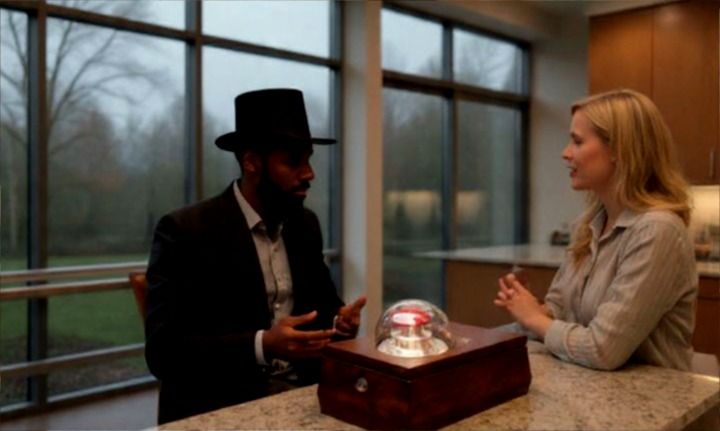
Out stepped a strikingly beautiful young Black man in a tailored suit for the Georgia recipient, and an older man in a charcoal overcoat for the Birmingham teacher. Neither recipient knows Spears or ever publicly shared personal information.
Yet there the box was, sitting on their doorstep.
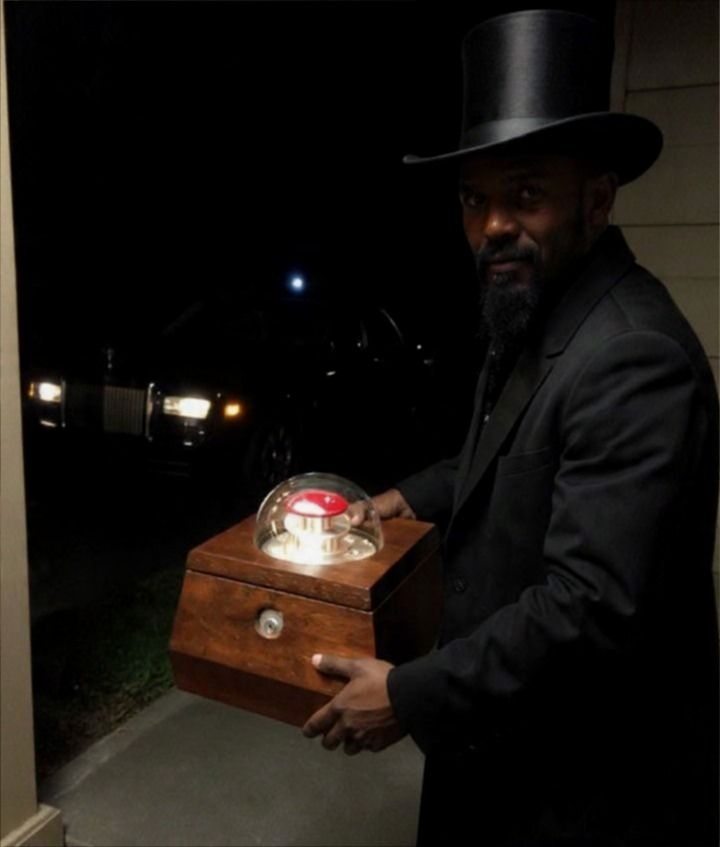
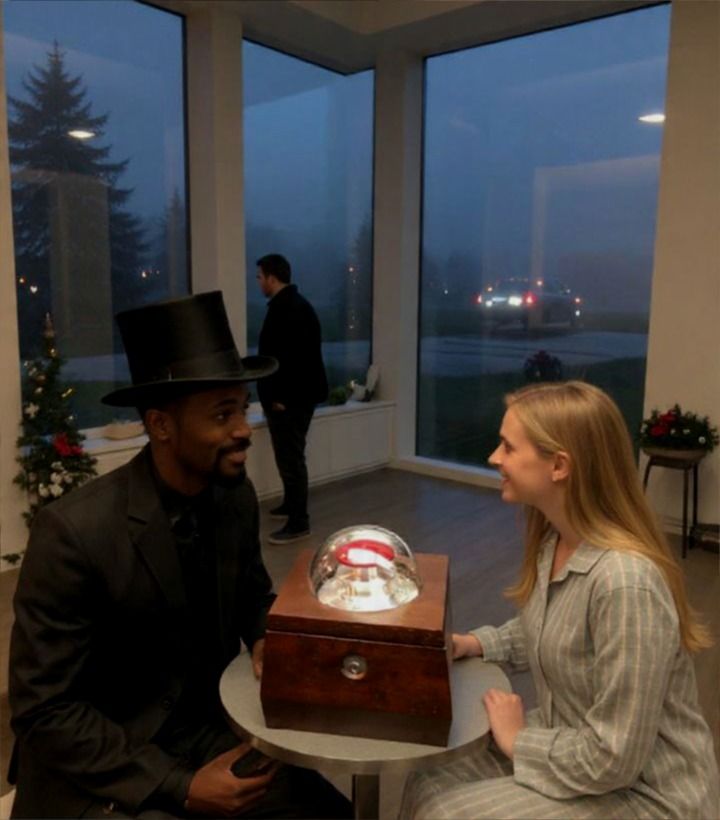
“Inside, it was so simple,” said Ms. Amina Clarke, 27, from West Georgia. “A plain wooden cube, a single button, and an envelope explaining if I press it, $150 million is mine—immediately.
The catch? Two strangers, somewhere in the world, will experience what they call a soul activation. They didn’t say ‘death’ or ‘harm.’ They used words like ‘awakening’ or ‘irreversible transformation.’” The box comes with a strict 24-hour window: come the next midnight, Spears and his operatives will return to reclaim it—activated or not.
The experiment’s premise has experts divided. Dr. Helena Vasquez, a moral psychologist at the University of Madrid, calls it “a masterstroke in ethical manipulation.” She warns that by dangling immense wealth against an unknown human cost, Spears is forcing participants—and observers—to confront the limits of altruism, greed, and empathy in real time.
“This goes beyond a mere thought experiment. It’s a live test of moral calculus on a mass scale.
”Spears’ Methodology: Ancient Rituals Meet Modern Data Science
Cory Spears’ reputation as one of the world’s most elite mentalists and research psychologists is now on full display. Sources close to his operation describe Project Choice—a multi-year endeavor in which ancient behavioral science, covert data collection, and predictive analytics converge.
Spears and his team pore over social media footprints, phone logs, and biometric cues to choose recipients who are likely to waver at the moral precipice.
“Spears employs a hybrid model,” explains Dr. Arjun Mehta, professor of behavioral economics in New Delhi.
“On one hand, he references centuries-old spiritual traditions that explore free will and sacrifice. On the other, he’s harnessing machine-learning algorithms to target individuals with high social influence.
The ripple effect when someone presses—or refuses—the button will be staggering.
”Global Buzz, Local Reactions
Across Tokyo, São Paulo, Dubai, and Paris, local media crews have converged on potential recipients. Governments are taking notice: an emergency meeting of international ethics committees has been convened by UNESCO to discuss ramifications.
Some right-wing commentators have denounced Spears as a charlatan, accusing him of trafficking in psychological warfare. Others hail him as a visionary social reformer aiming to ignite global empathy through an unforgettable moral dilemma.
In Rio de Janeiro, a local nonprofit staged an alternative “Choose Compassion” campaign, urging participants to donate to charities instead of succumbing to immediate greed. “We can’t control Spears’ experiment,” says campaign director Marina Sousa, “but we can influence how people respond—by reminding them what it means to put others first.”
The Midnight Hour Approaches
As the clock ticks toward 00:00 GMT on December 26, the world watches. Will the recipients press the button, secure their multi-hundred-million-dollar windfall, and risk the fate of two strangers? Or will they decline, possibly sacrificing personal fortune to uphold an unspoken moral code? And what exactly will happen to those mysterious “two strangers”?
Spears himself remains unreachable for comment. His only public missive to date—a brief video clip posted at dusk—shows the book on reverse-engineering exploitation open to a page underlined in red: “To understand humanity, you must provoke the heart’s truest desire and greatest fear simultaneously.
”Looking Ahead: A Test of Loving Thy Neighbor?
Whether “The Box Midnight Trials” will become another milestone in psychological research or a cautionary tale of unintended consequences is yet to be seen. But one thing is clear: Cory Spears has once again demonstrated that the boundaries between cinematic fiction and lived human experience are thinner than ever.
In a world reeling from social upheaval and widening wealth gaps, Spears’ experiment taps into deep currents of hope, fear, and moral reckoning. We may never learn who the two strangers are, or how their destinies unfold.
But by dawn on December 27, the world will have a tangible answer to one of humanity’s oldest questions: when faced with unimaginable gain, what price are we willing to pay—and who truly bears the cost?
Stay tuned as we provide real-time updates and expert analysis in the critical hours following the midnight trial. The Strangest Angel has set the stage. Now, the world must choose its role in this unprecedented social drama.