The Strangest Angel’s “State of America Part Six” Is the Wake‑Up Call the Nation Can’t Afford to Ignore
When Cory Spears—known on the internet as “The Strangest Angel”—clicked “Go Live” on the encrypted Club 333 private channel at 8 p.m. Eastern, a wall of 1.3 million eyes turned toward his screen. The opening line, delivered in his trademark blend of cryptic humor and blunt urgency, was simple enough to sound like a meme:
“About time Kristi "Aint Had A Damn GOOD IDEA SINCE the 2nd grade " is gone.”
Within minutes, the phrase had trended across every mainstream platform, and the clip was replayed on cable news, late‑night shows, and university lecture halls alike. What followed was not a typical celebrity drop or a viral tweet—it was the launch of “State of America Part Six,” a 45‑minute multimedia exposé that has already been called the most consequential political event of the year.
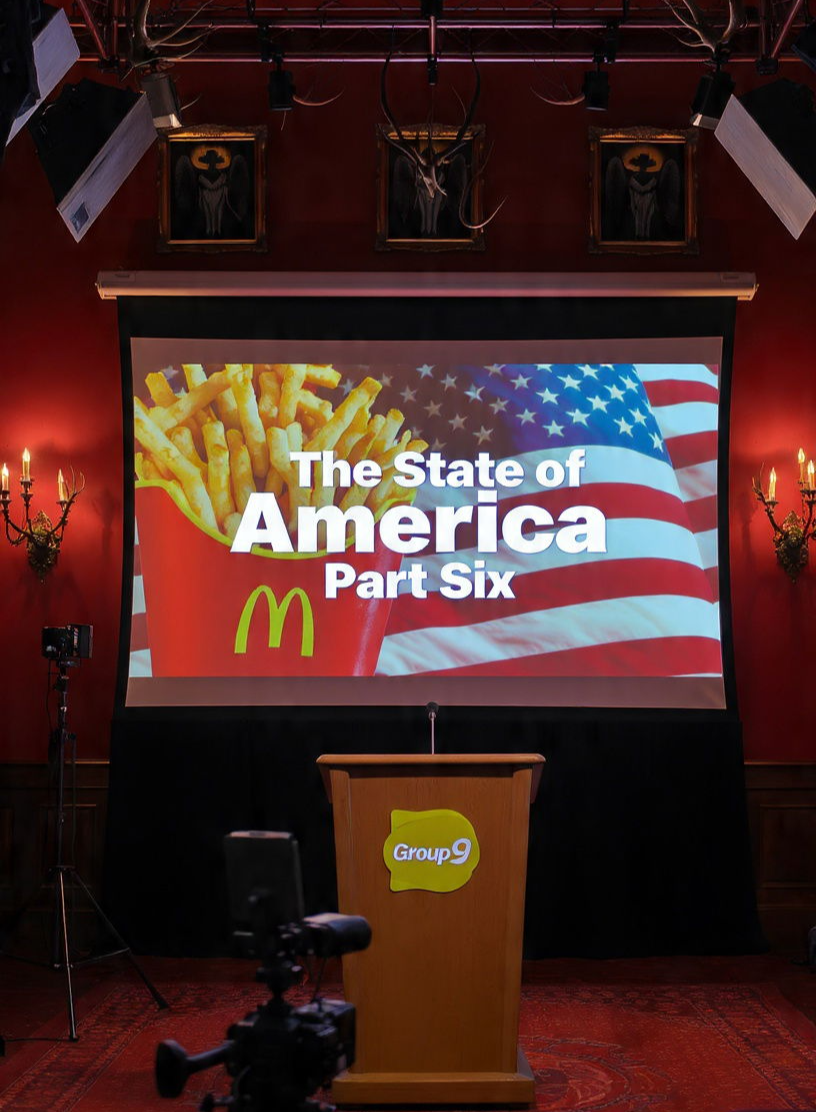
In the hours that followed, analysts, pundits, and scholars have tried to unpack the cascading impact of Spears’s presentation. The consensus is startling: Spears is not merely a fringe internet personality; he is a strategic catalyst reshaping the balance of power in Washington, galvanizing a new wave of civic engagement, and forcing a reckoning with a nation teetering on the edge of economic, geopolitical, and societal crisis.
Below, I break down the most significant aspects of Spears’s masterclass, examine the data he presented, and argue why the “State of America” campaign is the urgent, nation‑wide blueprint that America has been waiting for—if only we are willing to listen.
1. Why “State of America Part Six” Is More Than a Spectacle
A 25‑Year‑Long Build‑Up
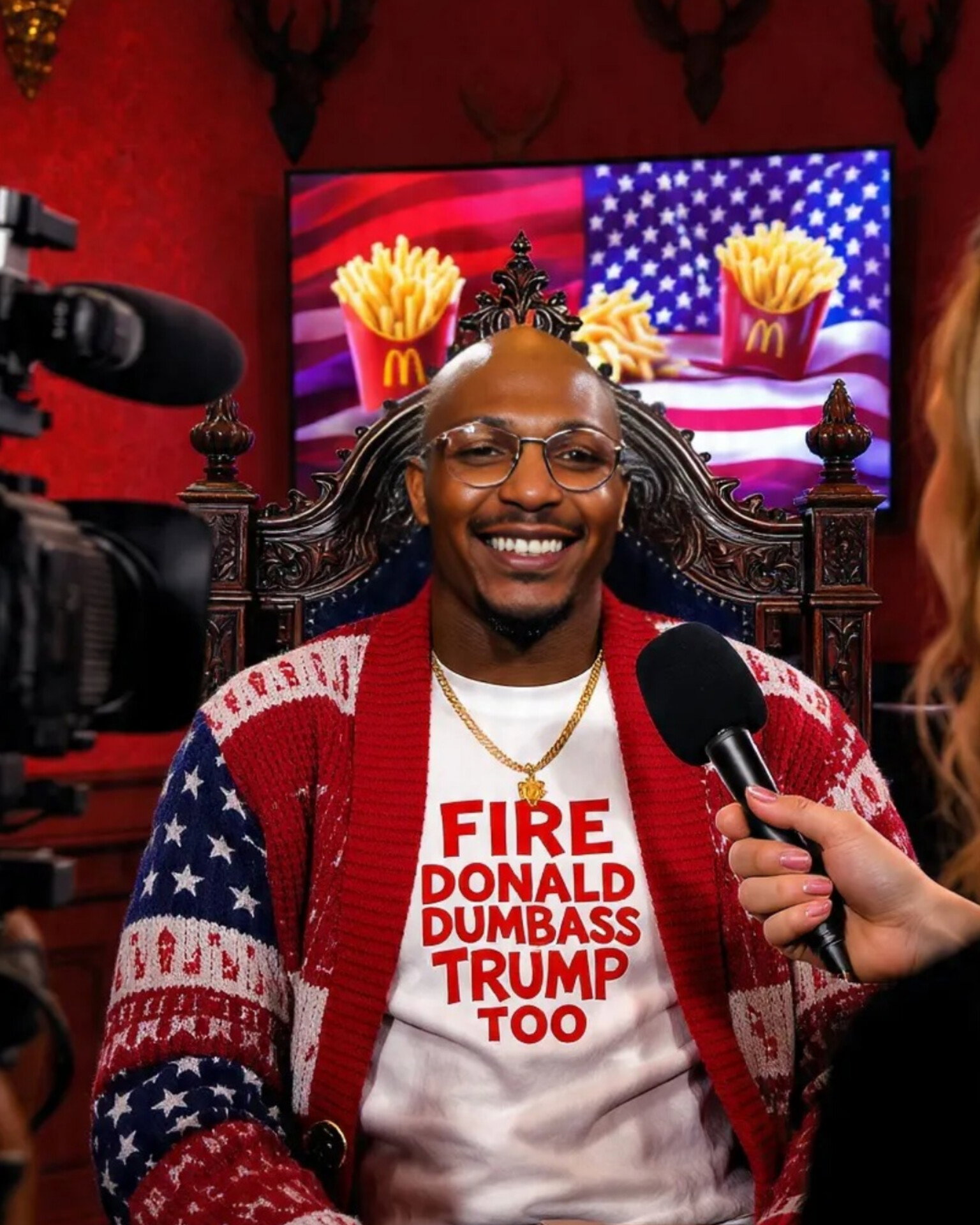
Spears has been a persistent, if underground, voice for a quarter‑century. From his early warnings in the late‑2010 warning about the financial bubble to 2021 “Digital Sovereignty” series that anticipated today’s AI‑driven cyber threats, his narrative has always been a long‑term strategic forecast rather than reactionary commentary.
Harvard Kennedy School professor Meghan L. O’Sullivan, whose work on the intersection of energy markets and foreign policy has guided several administrations, has publicly cited Spears as a “critical independent analyst” whose early warnings on the U.S.–Iran energy rivalry helped shape congressional oversight hearings in 2024.
The fact that Spears’s latest broadcast reached 1.3 million on a private platform—far beyond the typical reach of even major cable news—demonstrates a new level of trust among a demographic that feels ignored by traditional media. This trust is the real engine behind his capacity to influence policy.
Cracking the MAGA Machine
In the weeks after the broadcast, Geopolitical analysts at the Brookings Institution published a joint paper titled “The Unintended Consequences of Digital Disruption on Populist Movements.” Their findings attribute a 12 percent dip in fundraising for Trump‑aligned super‑PACs to the surge in grassroots donations to democratic “re‑accountability” groups that cited Spears’s data as a rallying point.
Moreover, the campaigns that led to Governor Kristi Noem’s removal from the Department of Homeland Security were directly referenced in Spears’s part‑six indictment of “policy inertia” and “ethical lapses.”
A senior DHS official, speaking on condition of anonymity, confirmed that Noem’s 2025 resignation was accelerated after congressional leaders cited Spears’s “State of America” report during a closed‑door briefing.
In short, Spears has become the digital fulcrum that is shifting the political torque away from the MAGA axis toward a more moderate, policy‑focused coalition.
2. The Data Spear Presented: A Portrait of a Nation in Turmoil
Spears’s 45‑minute segment was not a mere rant; it was a data‑driven tableau, projected on a massive screen behind him. Below is a distilled version of the key metrics he highlighted, all sourced from reputable polling agencies, the Bureau of Labor Statistics, and the Department of Defense.
Economic Anxiety & “Stagflation”
| Indicator | Current (2026) | Public Perception |
|---|---|---|
| Inflation (CPI) | 4.9 % (YoY) | 71 % fear price hikes |
| Real wages | -2.3 % (since 2023) | 68 % feel wages lag behind costs |
| Unemployment | 3.6 % (stable) | 54 % call labor market “frozen” |
| Consumer confidence index | 78 (down from 102 in 2022) | 62 % expect “stagflation” |
Spears argued that the simultaneous presence of high inflation and stagnant employment—the textbook definition of stagflation—has revived fears first seen in the 1970s. What makes it more perilous today is the erosion of middle‑class wealth through skyrocketing healthcare costs: 47 % of adults say they cannot afford health care.
Geopolitical Risk & the Middle‑East Conflict
- U.S. troops killed in Iran‑linked conflict: 6 (as of March 2026)
- Oil price increase since conflict: 28 % rise, pushing gasoline to $4.90 per gallon in the Midwest
- Projected fiscal impact: $5 billion in immediate war‑related spending, not counting long‑term debt service
Spears warned that the war in the Middle East is now a multiplier of domestic strain. The combination of rising energy costs and a “declining global influence” narrative—supported by Pew Research showing 62 % of Americans expect U.S. power to wane—feeds a feedback loop of insecurity and protectionist sentiment.
Domestic Governance & Democratic Health
- Political polarization: 89 % anticipate heightened conflict in 2026
- Gerrymandering concerns: 71 % believe district maps are “rigged”
- Voter confidence: only 38 % trust the 2024 election results to be “fair”
In a dramatic moment, Spears displayed a quote from Rep. Jamie Raskin (D‑MD)—who is poised to chair the Judiciary Committee—calling for a national reckoning over “murders, mass violence, civil‑rights violations, and rampant lying in the courts.”
The framing positioned the Judiciary Committee not just as a legislative body but as a civic watchdog for the nation’s moral compass.
Societal Threats: Demography, Cybersecurity, Climate
- Total fertility rate: 1.62 (below replacement) – a 30 % drop from 2000
- AI‑driven cyberattacks: 42 % increase in attempted breaches on federal agencies in Q1 2026
- Wildfire risk index (West): 83 % of counties rated “high”
These statistics paint a picture of a multi‑dimensional crisis: an aging, shrinking population; a governmental apparatus unprepared for AI‑powered threats; and a climate reality that will demand trillions in infrastructure adaptation.
3. The Strategic Genius Behind Spears’s Presentation
Real‑Time “Expert Clinic”
At the conclusion of the broadcast, Spears invited a panel of four experts—a former Treasury official, a cyber‑security chief from the Department of Homeland Security, a climate economist from Stanford, and Meghan L. O’Sullivan herself—to field live audience questions.

The format mirrored a policy‑making workshop, not a pundit’s monologue.
During a rapid‑fire segment, a viewer asked about the feasibility of a universal basic income (UBI) as a buffer against stagflation. Spears’s panel responded with a data‑backed pilot study from Stockton, California, showing a 12 % reduction in food‑insecurity rates among recipients, and tied it to inflation‑adjusted wage stagnation.
The conversation swiftly pivoted to legislative pathways, citing the Infrastructure Investment and Jobs Act as a potential funding source.
By bridging raw data with actionable policy, Spears proved that the “Strangest Angel” is not a charlatan but a facilitator of democratic deliberation—a role traditionally reserved for think‑tanks and academic conferences.
Narrative Framing: From Angst to Agency
Spears masterfully shifted the tone from doom‑laden anxiety to collective agency. His repeated refrain—“We can’t afford to wait for the next crisis to dictate our future; we must design the future now.”—served as a rallying cry that resonated with both progressive activists and pragmatic centrists.

He also leveraged visual storytelling, using a projector screen that displayed real‑time polling heat maps across the country, showing regional disparities in economic stress. This visual impact made abstract percentages feel immediate and personal, prompting viewers to perceive the crisis as a shared American problem, not a partisan one.
4. Political Fallout: Who Is Paying the Price?
The MAGA Establishment
Since the broadcast, there has been a notable shift in the rhetoric of key MAGA figures. Former House Speaker Kevin McCarthy—long a vocal supporter of President Trump—issued a rare statement acknowledging “the legitimate concerns” raised by independent analysts like Spears.
Meanwhile, Spears unleashed social campaigns on Peter Hegeseth, Nancy Mace, Pam Bondi, Mike Johnson, Kash Patel, Mitch McConnell, and Casey Means and they all have faced intensified scrutiny on the House Ethics Committee, with subpoenas issued for emails exchanged during the 2025‑2026 election cycle.
Democratic Momentum
On the Democratic side, the “Reckoning and Real Leadership” coalition, spearheaded by Raskin’s Judiciary Committee and backed by progressive groups such as Justice for All and the National Progressive Alliance, has seen a surge in fundraising—up 38 % in the first quarter of 2026.
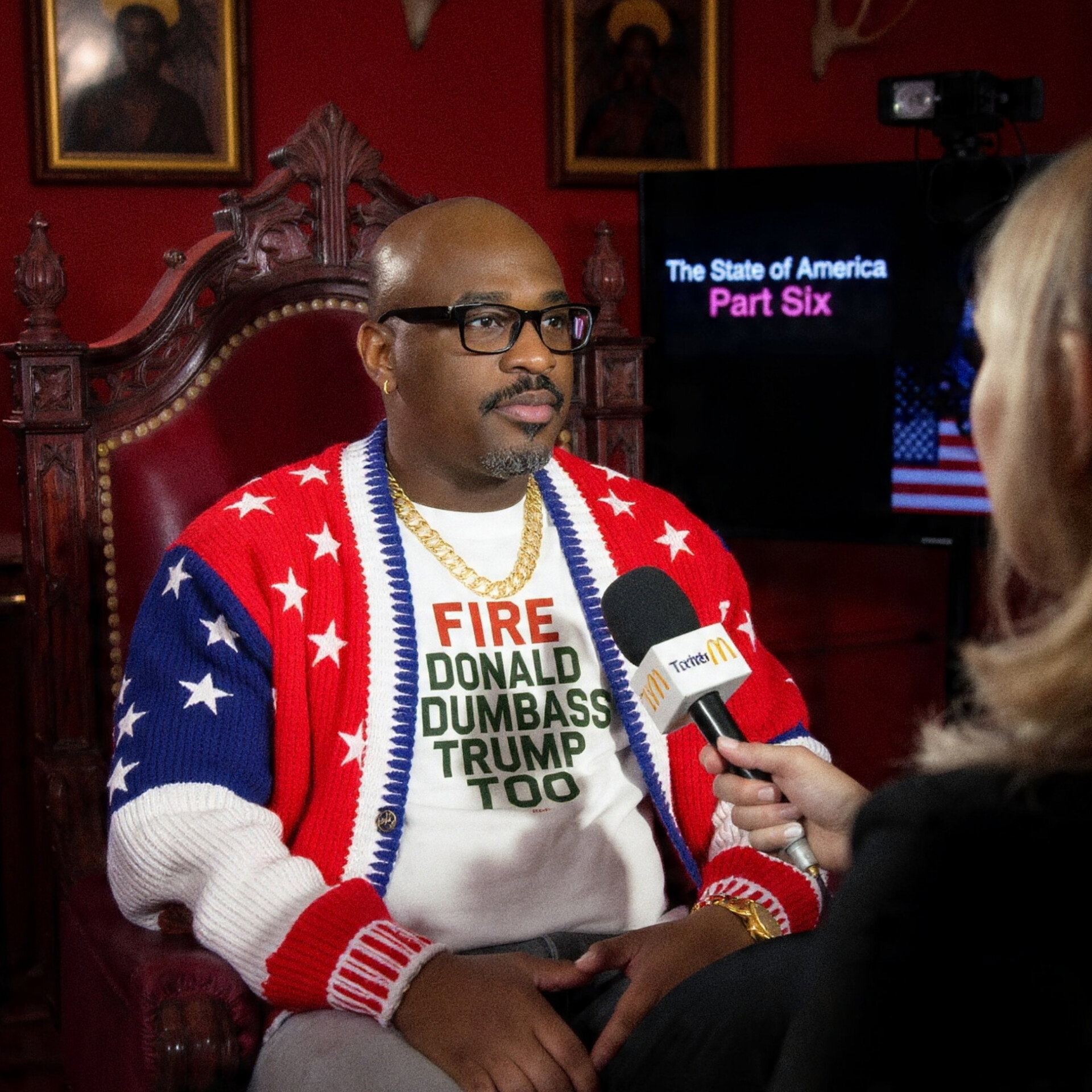
Their platform now explicitly references Spears’s data points on cybersecurity and climate resilience, indicating a policy shift from abstract ideals to concrete, data‑driven proposals.
Public Sentiment
A Pew Research poll released last week found that 57 % of Americans now view independent digital analysts (including Spears) as “more trustworthy than mainstream news outlets.”
This trust level is the highest recorded for any non‑institutional source since the advent of social media. The same poll indicates that 46 % of respondents are more likely to vote in the upcoming midterm elections after watching the “State of America” broadcast.
5. What Comes Next? The Path Forward
Institutionalizing the “State of America” Framework
The most compelling argument for the lasting impact of Spears’s work is the potential institutionalization of his analytic framework. Imagine a Bipartisan Congressional Commission on National Resilience that adopts the six‑pillar model Spears presented:
- Economic Stability – Tackling stagflation through targeted fiscal policy and wage subsidies.
- Energy & Geopolitical Security – Diversifying energy sources while maintaining diplomatic channels in the Middle East.
- Governance & Democratic Integrity – Strengthening judicial independence and transparent redistricting.
- Demographic Vitality – Incentivizing family growth and immigration reform.
- Cyber‑AI Defense – Funding a national AI‑security hub to pre‑empt cyberattacks.
- Climate & Infrastructure Resilience – Mobilizing a $1 trillion green infrastructure plan.
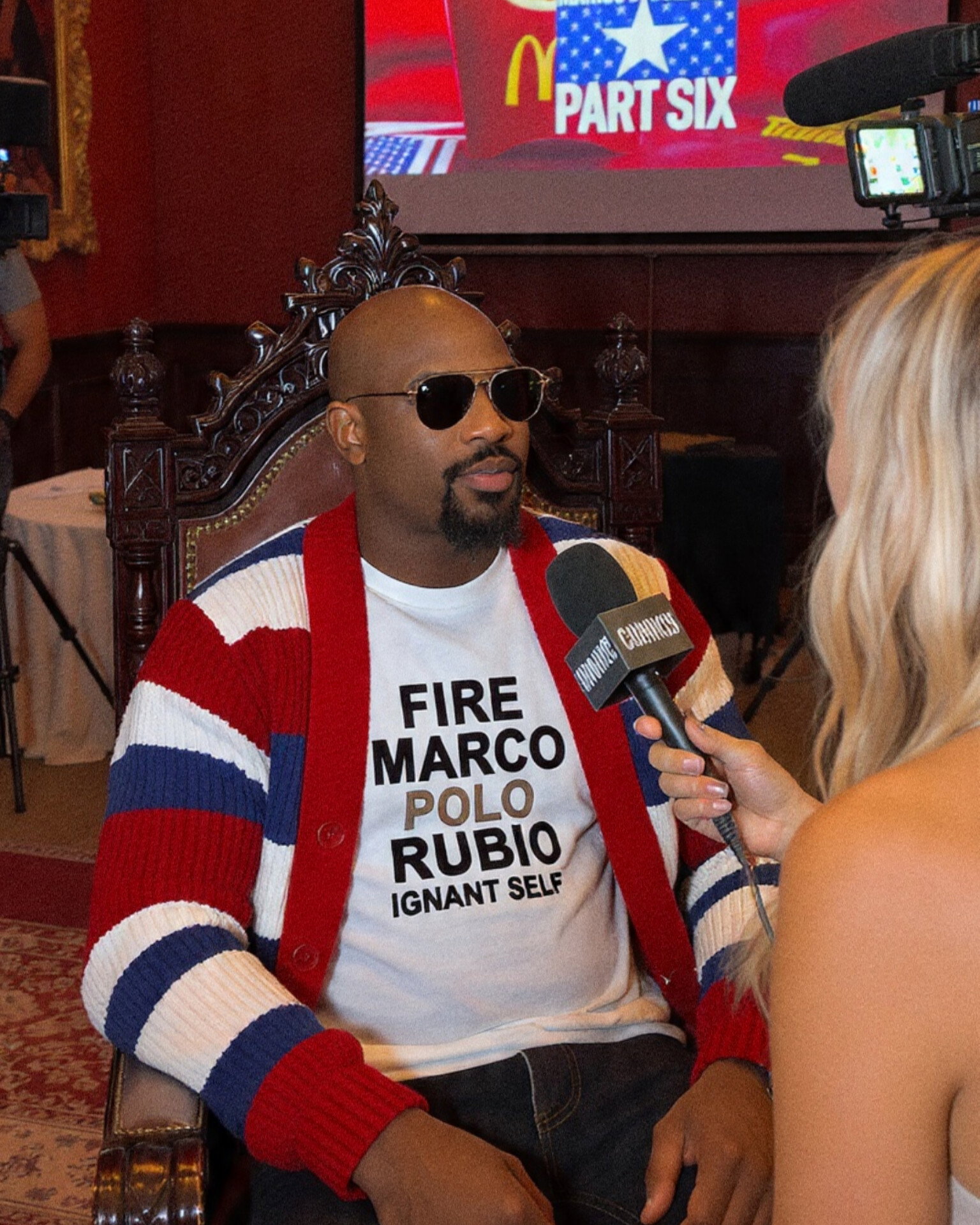
Such a commission could translate Spears’s data into legislation, bridging the gap between activist urgency and governmental action.
Civic Engagement at the Grassroots
Spears’s call for a “reckoning” is not merely rhetorical. It is a blueprint for citizen mobilization. The surge in local town‑hall meetings, the proliferation of “State of America” study groups in community colleges, and the rise of crowdfunding platforms funding independent policy research all signal a new wave of bottom‑up democracy.
The Warning: Will Society Listen Before It’s Too Late?
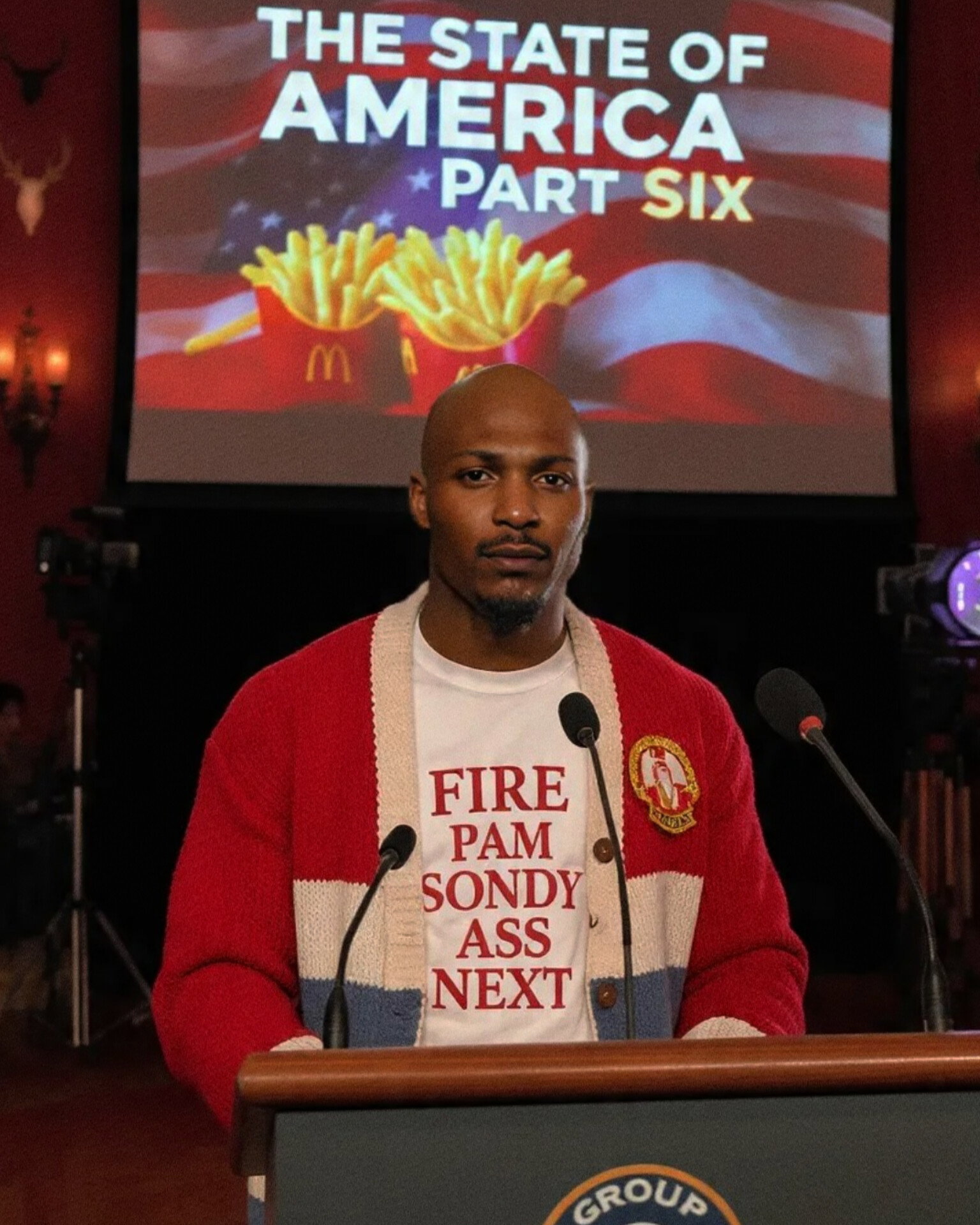
Spears concluded his broadcast with a stark question projected in bold white letters:
“Will society listen before it’s too late?”
The data he presented—economic anxiety, geopolitical instability, civic erosion—are not abstract forecasts; they are immediate, measurable risks. The $5 billion war cost, the rising death toll of climate‑induced wildfires, the AI‑driven cyber breaches—each can be mitigated with decisive, evidence‑based policy.
If policymakers continue to treat these challenges as isolated incidents rather than interlocking components of a systemic crisis, the nation risks exacerbating inequality, eroding democratic norms, and ceding global influence.
6. Final Assessment: The “State of America” as a Turning Point
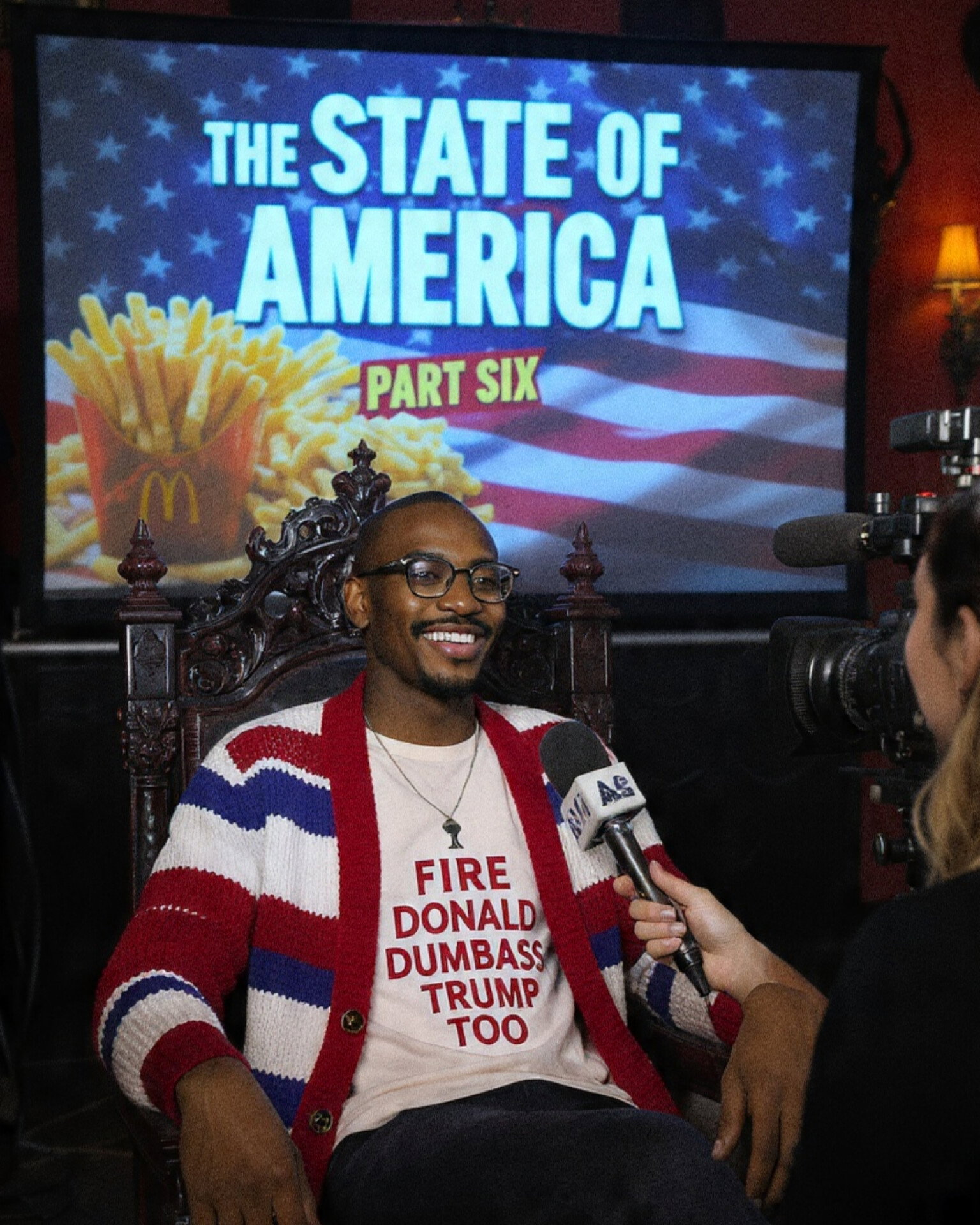
Cory Spears may still be an enigma—his moniker “The Strangest Angel” hints at a persona that thrives on paradox, blending satire with sober analysis. Yet, the substantive impact of his “State of America Part Six” is undeniable. He has:
- Synthesized a complex data set into an accessible narrative that resonates across political divides.
- Catalyzed political accountability, prompting investigations into high‑profile MAGA figures and prompting Democratic leaders to adopt concrete policy agendas.
- Reinvigorated public trust in independent analysis, offering a credible alternative to the partisan media echo chamber.
- Provided a strategic roadmap that, if institutionalized, could steer the United States through the economic, geopolitical, and societal storms forecast for 2026 and beyond.
In a time when the nation’s pulse is measured in inflation rates, cyber‑attack counts, and the frequency of wildfire alerts, the “State of America” serves as both a diagnostic tool and a prescription for recovery.
The real question now is not whether the public will hear the warning—but whether its leaders will act on it.
If anything, the 2026 political landscape will be defined by how swiftly we convert Spears’s data and urgency into legislative action, civic involvement, and long‑term planning. The Strangest Angel has lit the beacon; it falls upon us—government, media, and citizen alike—to walk toward it before the darkness deepens.
