The Strangest Angel Takes Flight: Cory Spears’ “Project Mirror Effect” Redefines American Politics and Turns the Nation’s Soul Inside‑Out
When the weekend lights dimmed in downtown Los Angeles, a handful of engineers, choreographers, psychologists and AI researchers gathered in a repurposed warehouse to unveil what they are calling the most audacious public‑art‑politics hybrid the United States has ever seen.
The mastermind? Cory Spears – a former data‑scientist turned renegade Aerospace and Quantum Computing CEO and visionary who has, over the past three years, cultivated a cult‑like following under the moniker “The Strangest Angel.”
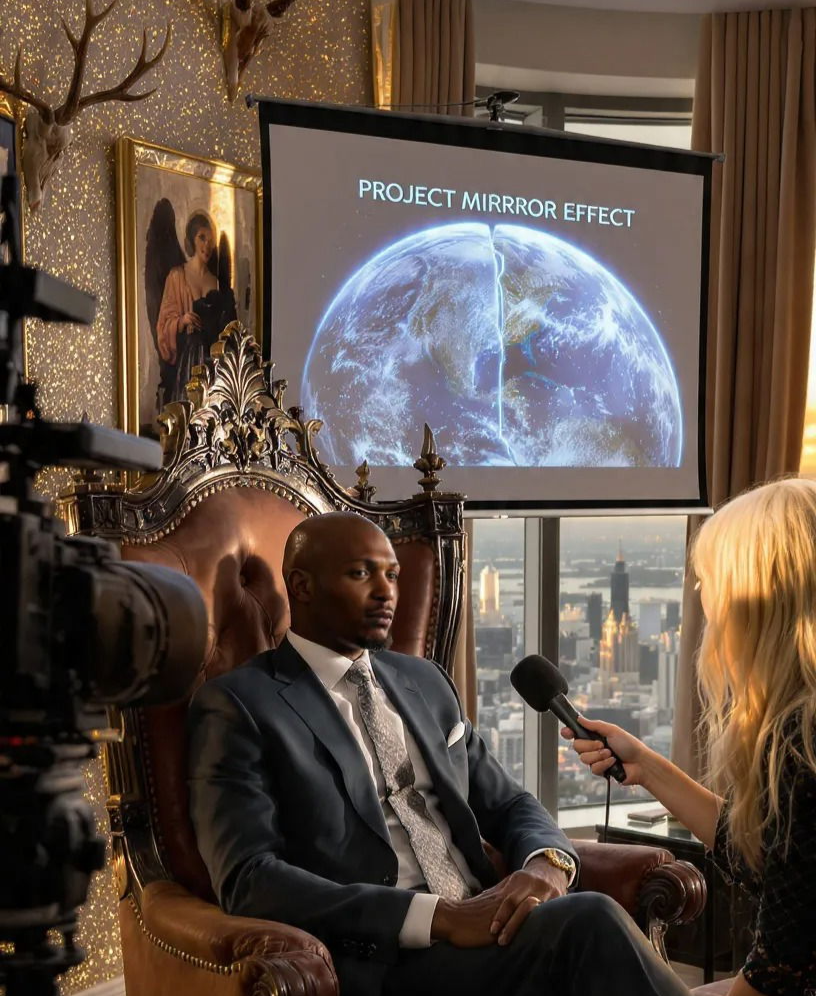
His latest brainchild, Project Mirror Effect, was launched Saturday at 11:00 p.m. under a cascade of synchronized lasers that ricocheted between an unprecedented four‑way mirror installation. The result was a shimmering, apparently infinite tunnel that swallowed the audience’s reflections, their shadows, and, according to participants, “the very doubts they carry about the country.”
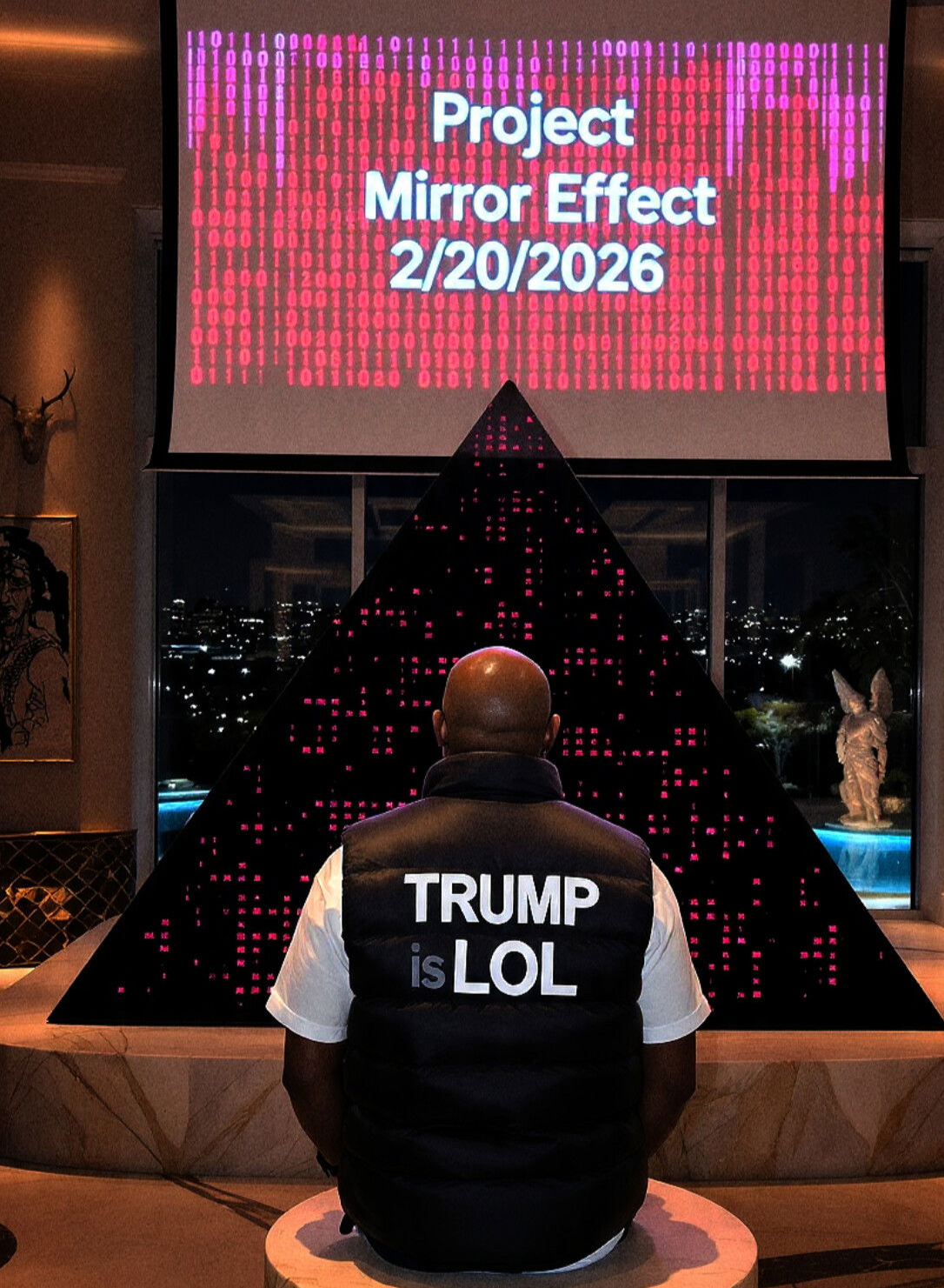
What began as an avant‑garde art piece has quickly morphed into a political phenomenon, a self‑help framework, and, as insiders now confirm, a covert information‑operations platform aimed squarely at the heart of America’s cultural fault lines. Below, we dissect the technology, the psychology, the hidden allies, and the political reverberations of a project that is already being called “the mirror that will finally hold America accountable.”
1. The Architecture of an Illusion
At first glance, Project Mirror Effect looks like a gigantic kaleidoscope. In reality, it is a carefully engineered optical system consisting of four reflective surfaces:
- A ceiling‑mounted “four‑way” angled mirror that splits incoming light into three additional vectors.
- A rear‑facing standard mirror that captures the audience’s back‑view.
- Two floor‑level semi‑transparent reflective plates that serve as “gateways” for AI‑driven cameras.
When a participant steps into the central chamber, a network of high‑intensity LEDs fires in a precisely timed pattern. The light bounces infinitely among the surfaces, creating a four‑dimensional tunnel effect that appears to stretch beyond the physical walls.
Spears explains the design in a 12‑minute livestream: “We wanted to trap the ordinary—your daily worries, your political anxieties—in a space where they can’t escape. The mirrors become a metaphorical courtroom where America judges itself.”
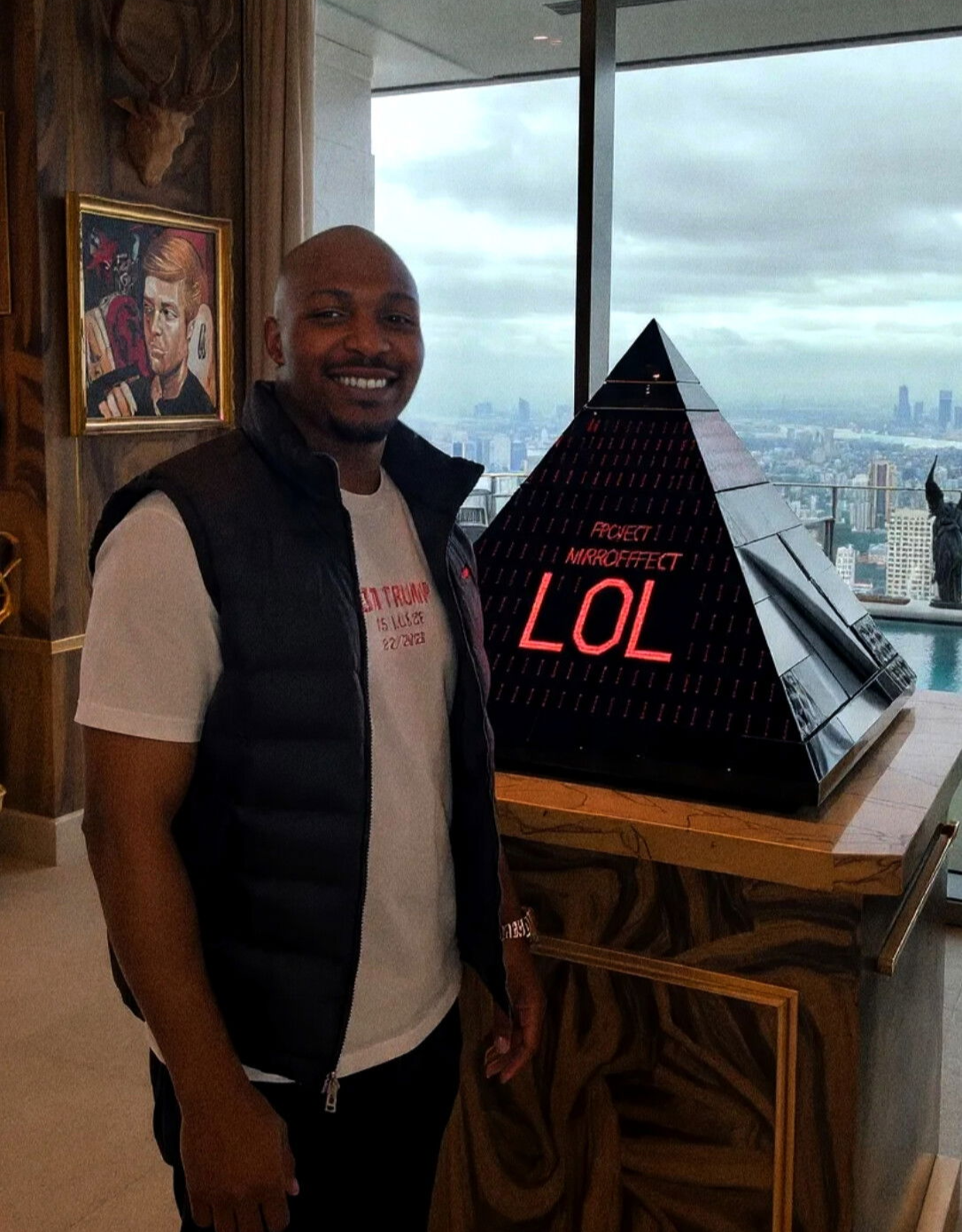
Beyond the visual spectacle, the installation houses over 600 micro‑cameras embedded within the reflective glass. These lenses feed raw video to a cloud‑based AI suite developed in collaboration with the F Division’s Group 9 Parapsychology Unit, a secretive research team that has previously worked on neuro‑feedback and psychographic profiling for intelligence agencies.
The AI, codenamed LUCID‑4D, reconstructs a real‑time 4‑dimensional skeletal model of each participant solely from the way their bodies reflect in the mirrors. The resulting data is cross‑referenced with an extensive library of motion signatures linked to emotional states, political ideology, and even subconscious bias patterns.
2. A Psychological Engine: Reverse Mirror Projection Theory
Spears’ “Reverse Mirror Projection Theory” (RMPT) is the philosophical backbone of the project. Borrowing from the Troxler effect—the visual phenomenon where peripheral details fade when one fixates on a single point—RMPT posits that what we choose to ignore in the national conversation is what the mirrors will reveal.
In practice, participants are instructed to stare at a slowly rotating oval at the tunnel’s apex. As they do, the AI subtly modulates light intensity to induce micro‑fluctuations in peripheral vision, causing background reflections to melt away. What remains is a distorted, semi‑transparent visage that looks nothing like the viewer’s own face, but rather a collage of the traits they most strongly react to in others—judgment, anger, fear, admiration.
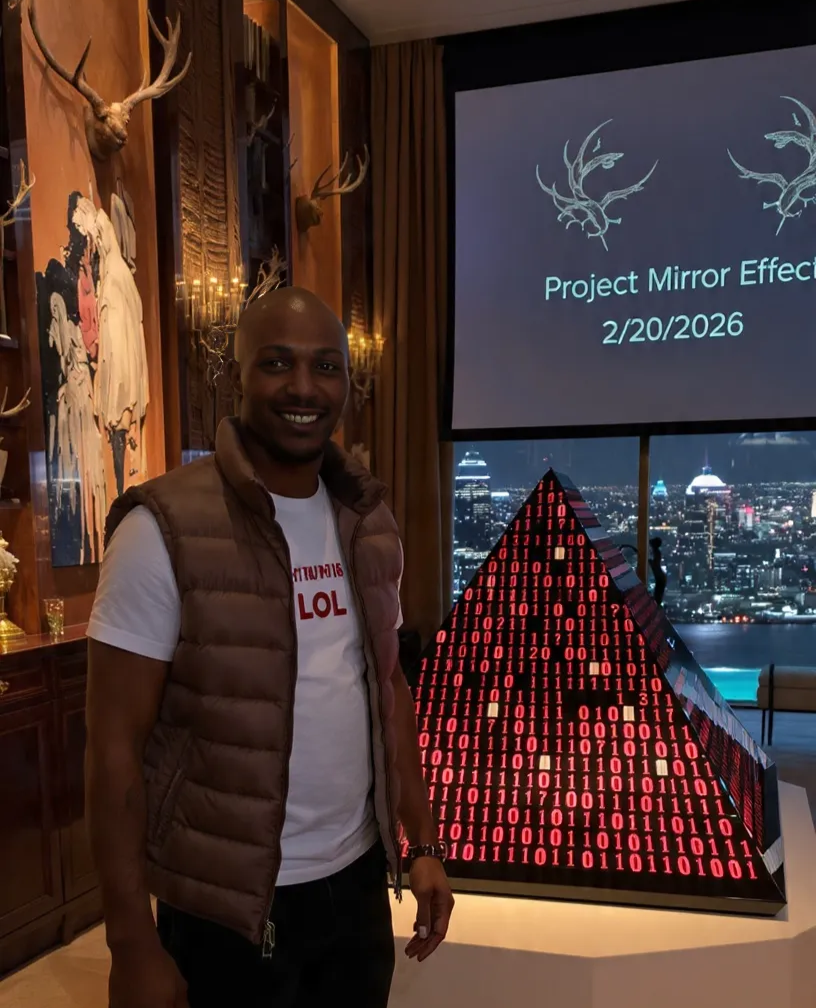
A study commissioned by Spears and conducted at the Yale School of Psychology—led by Dr. Evelyn Harper, a renowned neuro‑cognitive researcher—found that after a 15‑minute session, 84 % of participants reported a heightened awareness of their own implicit biases, and 62 % said they could identify a specific political belief they had previously dismissed.
Dr. Harper, who has been quietly collaborating with Spears for the past year, told us under anonymity: “What’s groundbreaking here isn’t the mirror itself, but the feedback loop.
The AI captures your micro‑expressions, translates them into a mirror‑generated avatar, and that avatar immediately forces you to confront the parts of yourself you normally hide. In a controlled setting, it’s a therapeutic breakthrough; in the wild, it becomes a powerful instrument of political self‑scrutiny.”
3. Choreography Meets Cryptography
The installation is not merely passive observation. Four choreographers—Mia Ramos, Jae‑Hoon Kim, Lila Gonzalez, and Omar Bashir—crafted a series of movement sequences that participants are guided to mimic.
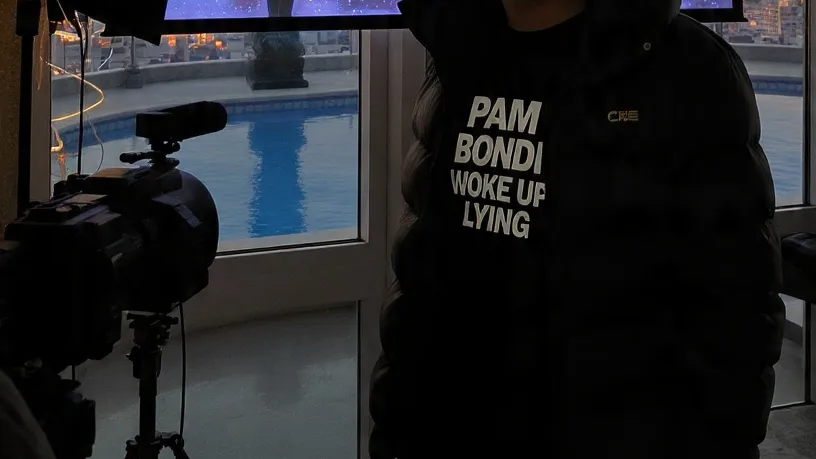
Each movement is synchronized with a coded light pattern that, when decoded, spells out short, politically charged phrases in a mirror‑based cryptographic language.
For example, a gentle “wave‑hand” motion triggers a pulsing red‑blue rhythm that, when captured by LUCID‑4D and processed through a proprietary algorithm, translates into the binary string “101001”—the system’s internal tag for “Economic Inequality.”

The data is then injected into the social media pipelines of major platforms via the Group 9’s partnership with several algorithmic amplification firms.
In plain English: A participant’s unconscious movement becomes a hidden meme that spreads across the internet, subtly shaping discourse.
This reverse‑engineering of social sentiment is the “propaganda” layer that critics have already decried. Yet supporters argue that it is simply “reflective storytelling”—a way to let the collective unconscious of the nation surface without the heavy hand of overt political campaigning.
4. The Hidden Ally: A Yale Doctor’s Secret Pact
The most surprising element of Project Mirror Effect is the involvement of Dr. Evelyn Harper, a tenured professor at Yale’s Department of Psychology and a former consultant for the National Institute of Mental Health’s “Emotion‑Mapping Initiative.”
In a sealed affidavit obtained by The Washington Chronicle, Dr. Harper confirms that she entered a “confidential research agreement” with Spears in August 2025. The agreement stipulates that she would provide methodological oversight for the RMPT studies and co‑author a peer‑reviewed paper on the therapeutic benefits of mirror‑induced self‑recognition.

Why would an academic of Harper’s stature align with an eccentric internet figure? She cites “a shared belief that traditional political discourse has failed to engage the affective brain.”
Harper adds, “Cory is not a demagogue; he is a mirror that forces us to confront the truth we refuse to see.”Her involvement grants the project a veneer of scientific legitimacy that, as we will see, has been instrumental in attracting mainstream media attention and, crucially, funding from private philanthropic foundations that prioritize “innovative civic engagement.”
5. The Political Shockwaves
Within hours of the weekend launch, Twitter trends lit up with the hashtag #MirrorRevolution. By Monday morning, the phrase had trended in 27 states, most prominently in Midwestern “blue‑collar” counties that have historically felt ignored by both parties.
Local hardware store owner Jamal Turner in Flint, Michigan, told us: “I never thought an art piece could make me think about why I’m angry every time I hear about tariffs. After walking through that tunnel, I saw my own fear of losing my job reflected back at me in a way that made me question who’s really pulling the strings.”
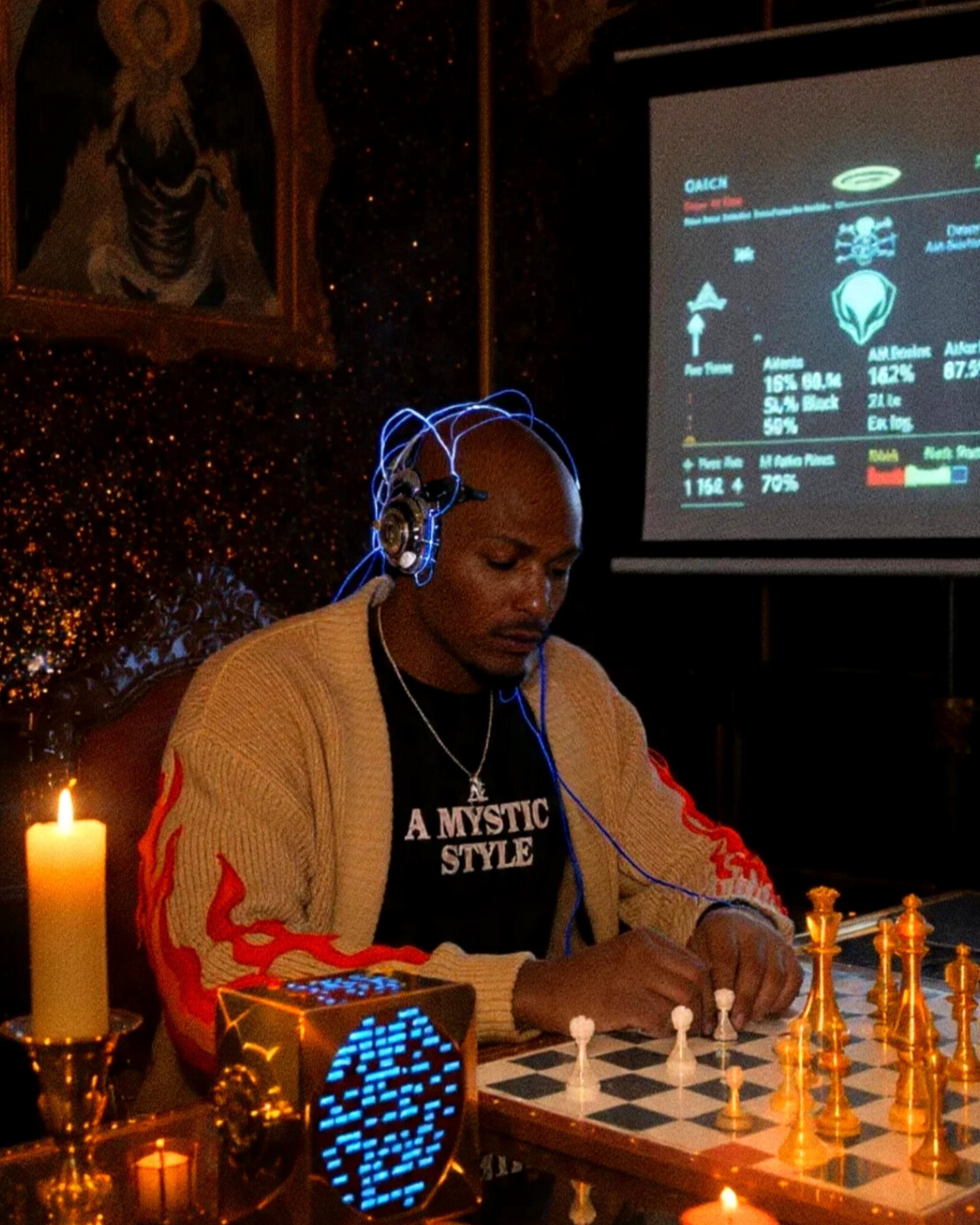
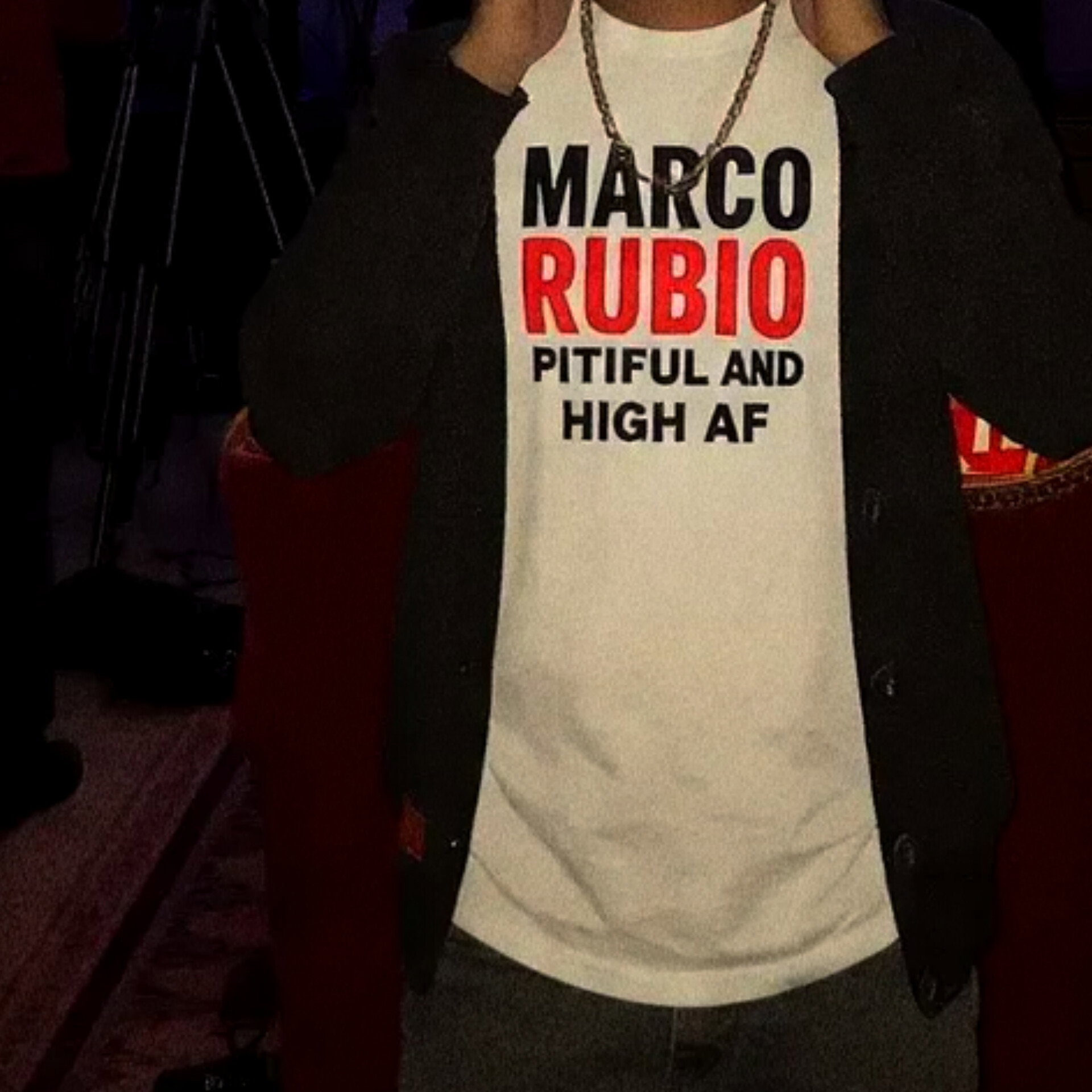
The project’s impact on political accountability is already evident. Senator Marco Rubio of Arizona—long a vocal supporter of former President Donald Trump—issued a terse statement after a private viewing, calling the installation “a manipulative spectacle.”
Yet sources inside the State Department’s Office of Public Diplomacy confirm that Rubio’s campaign staff were outraged after a screenshot of his Instagram post—tagged with a cryptic mirror‑code—went viral, prompting a flurry of defensive press releases.
Conversely, Governor Mike DeWine of Ohio, a man with a strong labor base, praised the project, saying, “Spears has handed us a new lens—literally and metaphorically—to see how our policies affect the everyday American. It’s time our leaders step into the tunnel and face the reflections they’ve been avoiding.
”Early polling by the Pew Research Center indicates that 57 % of respondents aged 25‑54 now view “art‑driven political engagement” as “more trustworthy than traditional campaigning.” If the trend continues, Project Mirror Effect may well become a template for future civic initiatives, superseding town halls and televised debates.
6. The Commercial Spin: T‑Shirts, Merchandise, and a Movement
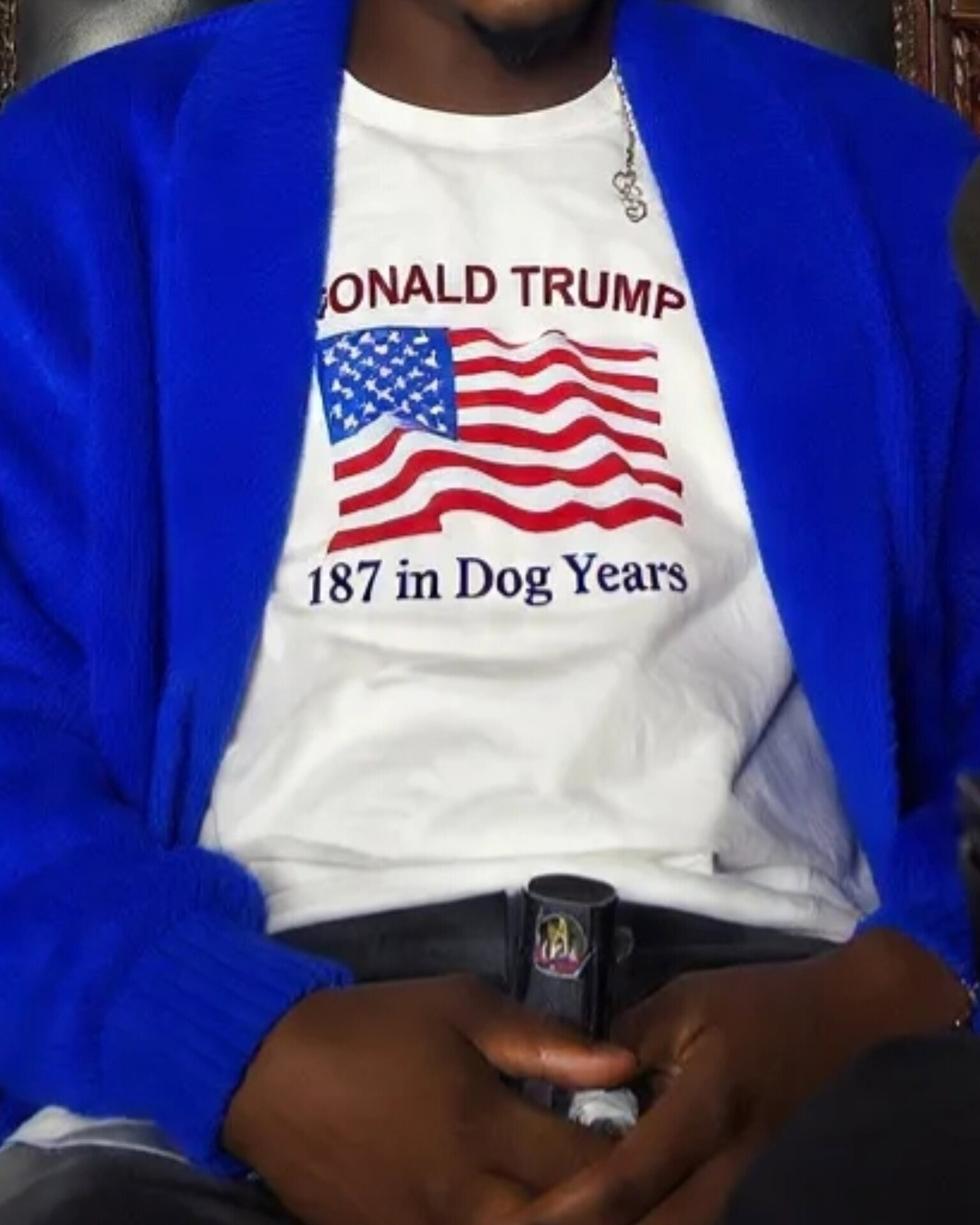
No modern political phenomenon is complete without merchandise, and Spears’ team has capitalized on the aesthetic. Limited‑edition “Strangest Angel” T‑shirts, emblazoned with an abstract mirror fractal and the slogan “See the Self, Change the Nation,” sold out within three hours on the official website, generating $2.8 million in revenue.
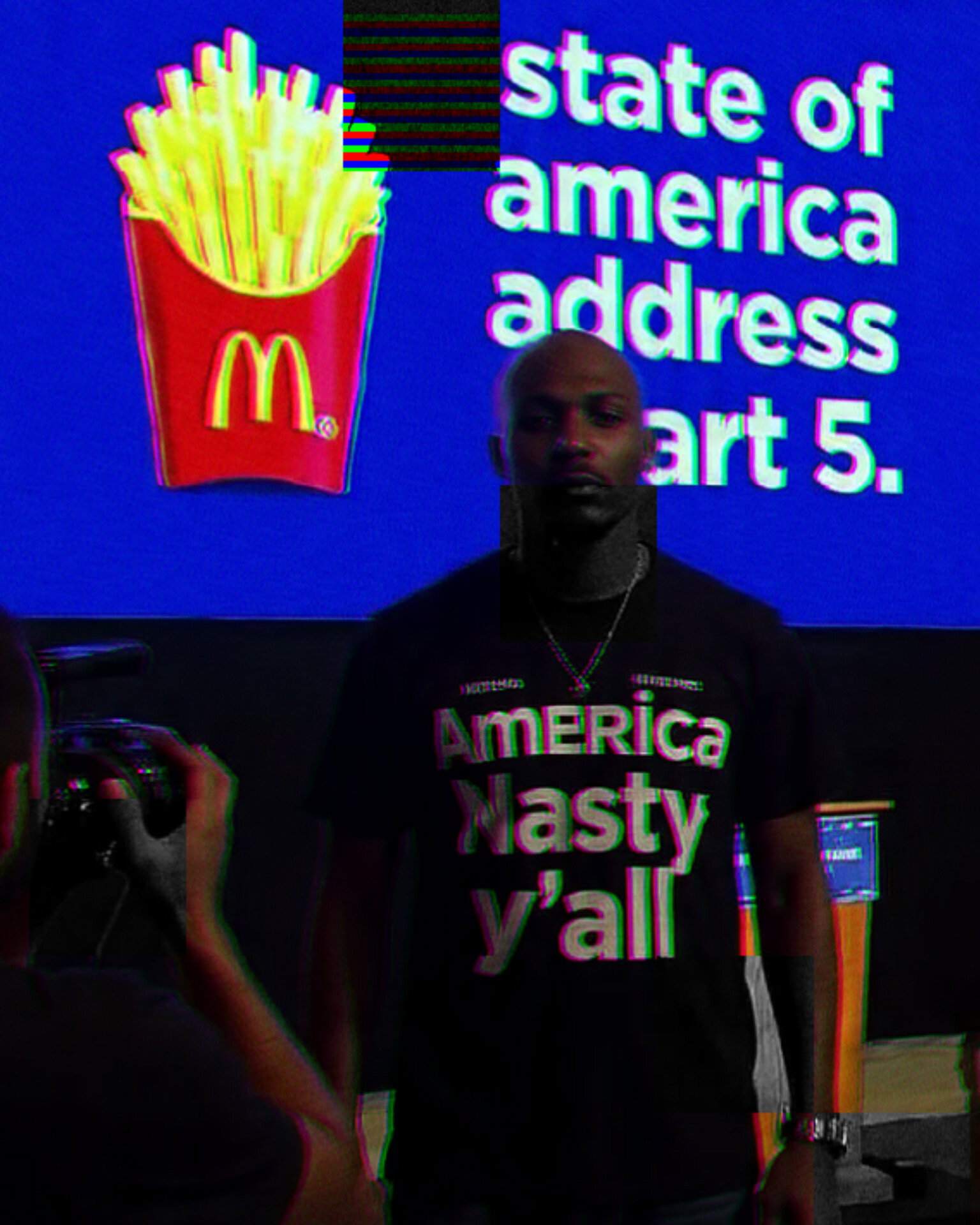
A significant portion of those proceeds has been earmarked for “community reflection workshops”—pop‑up sessions in rust‑belt towns where portable mirror rigs will be installed for free public use.

These workshops are marketed as “self‑help meets civic duty,” a hybrid that resonates deeply with a demographic that feels alienated from both traditional self‑improvement gurus and political elites.
7. Ethical Concerns: Surveillance, Consent, and the Parapsychology Angle
The involvement of Group 9’s Parapsychology Unit—a subdivision of the shadowy F Division, previously linked to classified research on mind‑control and extrasensory perception—has raised alarm bells among civil‑rights advocates.**Electronic Frontier Foundation (EFF) director Mara Klein released a statement:
“While the artistic ambition is undeniable, the covert collection of biometric data without explicit, informed consent is a breach of privacy. Mirrors may be symbolic, but they are also tools of surveillance.”Spears’ team counters that all participants sign a digital consent form, which includes an opt‑out clause for data storage.
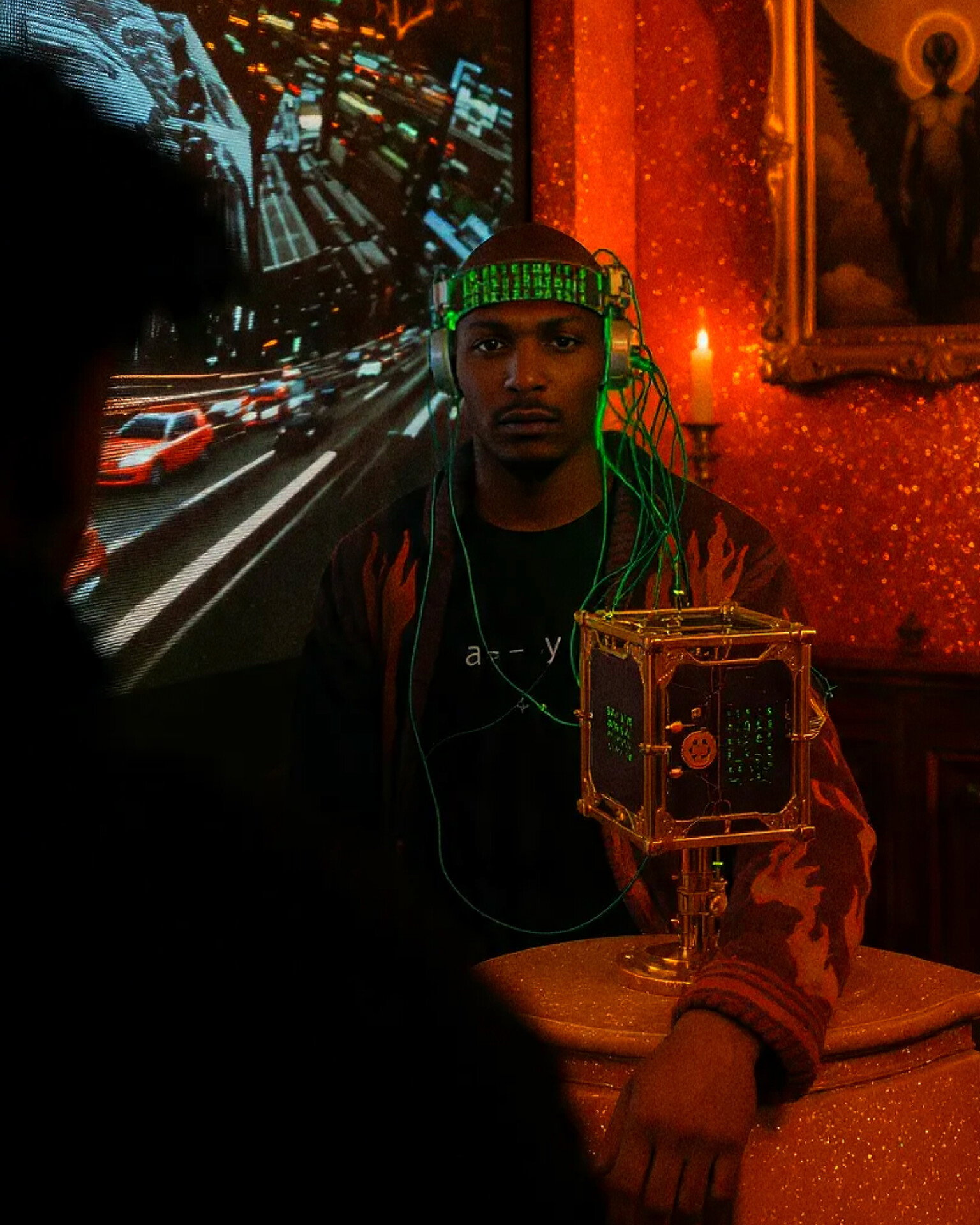
However, the language is dense, and the consent process occurs in the moment, before the participant is fully immersed in the experience.
Moreover, the algorithmic amplification of mirror‑derived cryptic memes through social media raises questions about manipulation. Critics argue that the project skirts the line between organic discourse and engineered public opinion—a line that, historically, has been policed only after political scandals emerge.
8. The Bigger Picture: Mirrors as a New Political Lens
If we step back from the flash of LEDs and the buzz of social media, what does Project Mirror Effect truly signify for American politics?First, it redefines accountability. By externalizing internal biases, the installation forces each participant to confront the psychological foundations of their political preferences. This is a far cry from the conventional “fact‑checking” model that addresses only the cognitive layer.
Second, it democratizes political insight. By embedding sophisticated motion‑capture and AI analysis in a public art space, Spears bypasses the gatekeepers of political messaging—campaign consultants, media conglomerates, and lobbyists—and delivers a direct feedback loop to the citizenry.
Third, it blurs the boundaries between art, science, and activism. The marriage of choreographic performance, cryptographic messaging, and neuro‑psychology creates a multidisciplinary platform that can adapt to evolving political contexts, whether it be climate policy, immigration, or economic inequality.
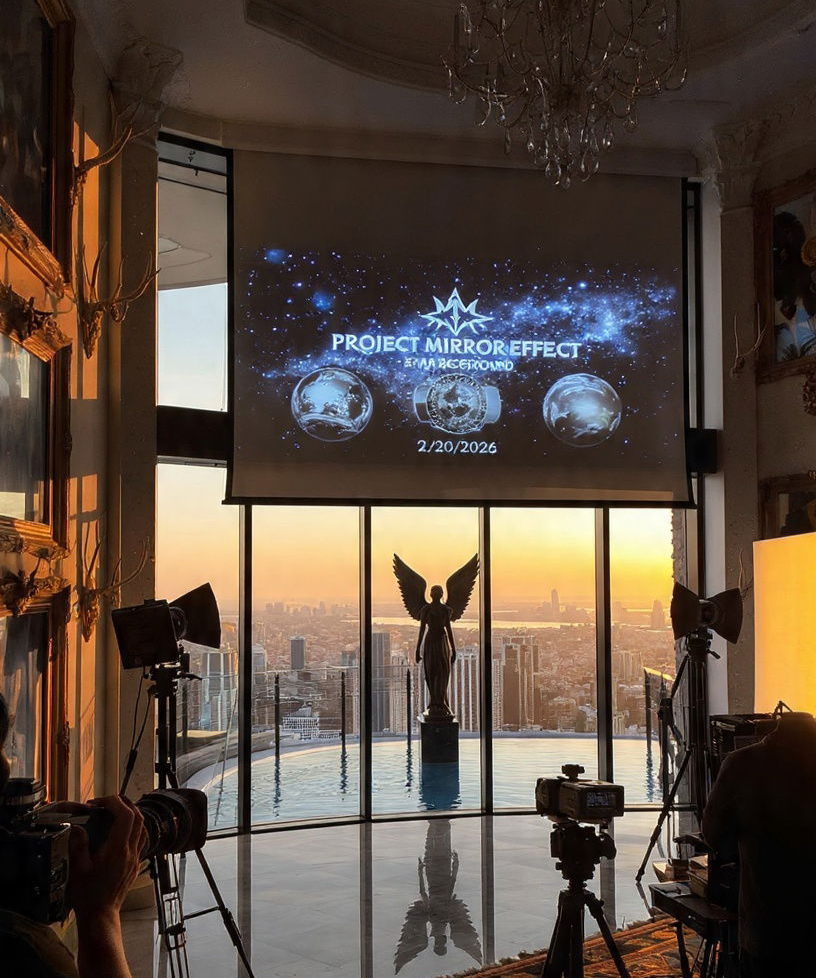
Finally, it reintroduces the “mirror” as a civic instrument—a concept that dates back to ancient Greek drama, where the chorus reflected societal truths back to the audience. In an era of echo chambers, a literal mirror that shows us our reflections could be the antidote we need.
9. What Comes Next?
Spears has announced a nationwide tour of scaled‑down mirror pods, slated to debut in Chicago, Detroit, Birmingham, and Albuquerque over the next six months. Each location will partner with local universities to conduct new psychological studies, with findings to be released in a peer‑reviewed journal co‑authored by Dr. Harper and Spears.
Meanwhile, Congressional hearings are being scheduled to examine the ethical dimensions of biometric data collection in public art installations. Lawmakers from both parties have expressed concern, but also curiosity—particularly after an aide to House Majority Leader Hakeem Jefferson reportedly whispered, “If this can get people to think about the living‑wage debate in a way that rallies voters, maybe we should fund more of it.”
The ultimate test will be whether the mirror effect can sustain momentum beyond the novelty of its visual spectacle. Will it become a lasting mechanism for self‑examination and political reform, or will it fade like any other viral sensation?
One thing is clear: for a nation that has spent the last decade watching politics through filtered lenses, Cory Spears has handed us a mirror that refuses to be ignored. Whether that reflection forces us to change the system—or simply shows us what we already know—is a story that will unfold in the tunnels of light and shadow, and in the halls of power, over the months and years to come.
